
REVIEW · MUMBAI CITY TOURS
Dharavi Slum Tour & Mumbai Sightseeing
A slum tour that also feels like Mumbai 101. I like how this day pairs Dharavi’s everyday work with top Mumbai landmarks, so you leave with more than postcard photos. Two things I especially enjoy are the practical local explanations in Dharavi and the smooth, efficient route through major sights like Gateway of India and Chhatrapati Shivaji Maharaj Terminus. One consideration: the pace is active, shorts are not allowed, and you will be walking at multiple stops.
You get hotel pickup in the Friends Colony area and a private group ride in an air-conditioned car. With an English-speaking guide and focused time at each place, the day feels organized rather than rushed, even when the content is emotionally intense. I’ve found guides like Dev, Dhermesh, and Siddhi can really shape the experience, depending on what you want to understand most.
In This Review
- Key highlights worth planning around
- How this 6-hour plan covers both real Mumbai and the postcard stuff
- Dharavi, narrow lanes, and what to notice without turning it into a spectacle
- Gateway of India and the Taj Mahal Palace area: more than a photo stop
- Marine Drive to Chhatrapati Shivaji Maharaj Terminus: the city’s layers in motion
- Mani Bhavan: when the monuments turn personal
- Dhobi Ghat: Asia’s largest open-air laundry, seen in real time
- Hanging Gardens, Kamala Nehru Park, Jain temple, and Banganga Tank: viewpoints and calm breaks
- The Marine Drive drive past: British heritage buildings you can spot fast
- Price and logistics: is $70 worth a 6-hour mix like this?
- What to bring, how to dress, and how to make the day easier
- Should you book this Dharavi Slum Tour & Mumbai Sightseeing tour?
- FAQ
- How long is the Dharavi Slum Tour & Mumbai Sightseeing experience?
- Where do you get picked up, and where do you return?
- What’s included in the tour price?
- Is lunch included?
- Is the tour private or shared?
- Is an English guide provided?
- Are shorts allowed?
- FAQ
- What cancellation options are available?
- Can I reserve without paying right away?
- What should I expect to see during the tour?
Key highlights worth planning around

- Dharavi walkthrough plus Kumbharwada for a close-up view of how a city functions inside a city
- Gateway of India and the Taj Mahal Palace area with built-in context, not just sightseeing
- Dhobi Ghat open-air laundry to see an old-style industry working in public
- Chhatrapati Shivaji Maharaj Terminus stop, including its UNESCO world heritage status
- Kamala Nehru Park viewpoint and Old Woman’s Shoe for skyline breaks and distinctive viewpoints
- Drive past British heritage landmarks around Marine Drive and Kala Ghoda for fast, good variety
Mumbai, a few more routes through it
How this 6-hour plan covers both real Mumbai and the postcard stuff
This tour is designed like a smart mash-up: you spend time seeing Dharavi up close, then shift to Mumbai’s best-known landmarks and iconic architecture. The big value here is time efficiency. In a single half-day, you cover the city’s skyline landmarks, major heritage buildings, and a working neighborhood that many people only hear about in headlines.
The route keeps moving, with short, timed stops that make it easier to manage attention. You have a photo stop plus guided time at Gateway of India (about 20 minutes), then a quick Marine Drive segment (about 15 minutes). Later you get longer guided time at places where it helps to slow down, like Mani Bhavan and Dhobi Ghat (each around 25 minutes). Dharavi itself is the longest block (about 110 minutes), so you can actually see more than a drive-by.
I also like that you are in a private group with an English-speaking guide and an air-conditioned car. When your day includes both sensitive community visiting and classic monuments, comfort and clear guidance matter. Your guide also helps you focus on what you are looking at, instead of just getting dropped at famous buildings.
Dharavi, narrow lanes, and what to notice without turning it into a spectacle
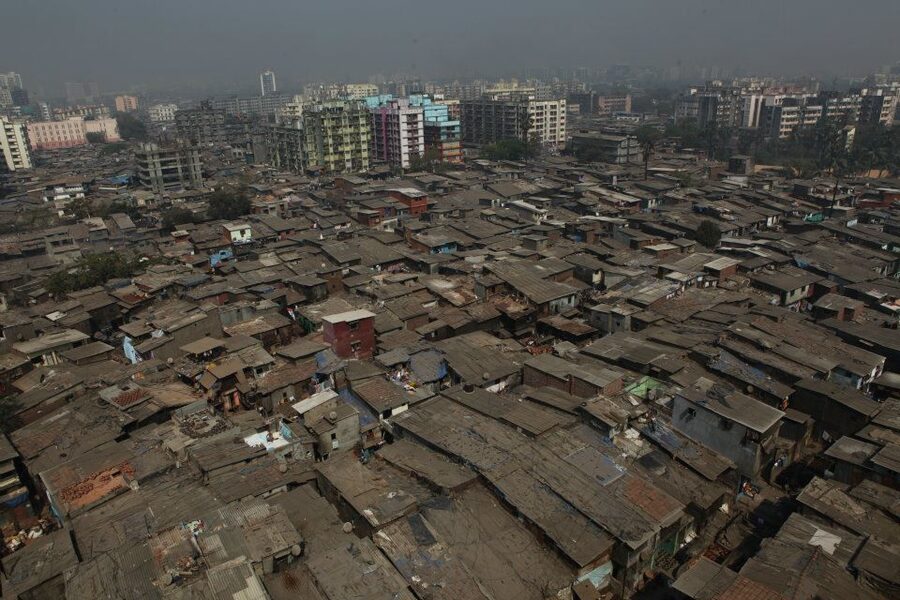
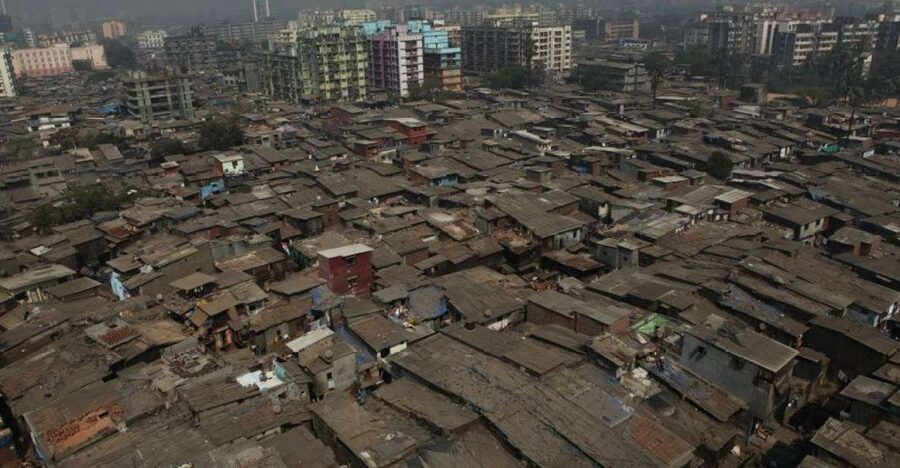
Dharavi is the kind of place where your brain has to recalibrate fast. Instead of a single landmark, you are walking through lanes and by-lanes, where workspaces, small shops, and daily routines sit close together. The tour starts you with an area where plastic and metal recycling takes place, then moves through narrow passages where you may catch the smells from local bakeries and sweet shops, along with notes from soap and cosmetic making units.
What I think makes this part meaningful is that the visit is guided and story-driven. You do not just walk through a maze. You get explanations that help you understand how the “city-within-a-city” works in practice. You may also spot dime-sized cyber cafes, tailors producing clothes at a quick rhythm, and a steady flow of people brushing past you. It is active and loud in a normal way, not staged.
As you continue, you reach Kumbharwada, described as the face of India’s largest slum dwelling. This is where the tour emphasizes the sense of community and a shared spirit. That matters because it keeps your visit from becoming purely about hardship. You are still seeing challenging living conditions, but your guide frames it in terms of people building lives, networks, and routines in close quarters.
A practical note: you should come with a respectful mindset and a flexible pace. Expect walking in tight lanes, and expect that you will see things that are different from what you are used to. Also, shorts are not allowed on this tour, so plan clothing that covers your legs. Comfortable shoes matter even more than normal, because uneven pavement and busy foot traffic can make every step feel like a negotiation.
Gateway of India and the Taj Mahal Palace area: more than a photo stop
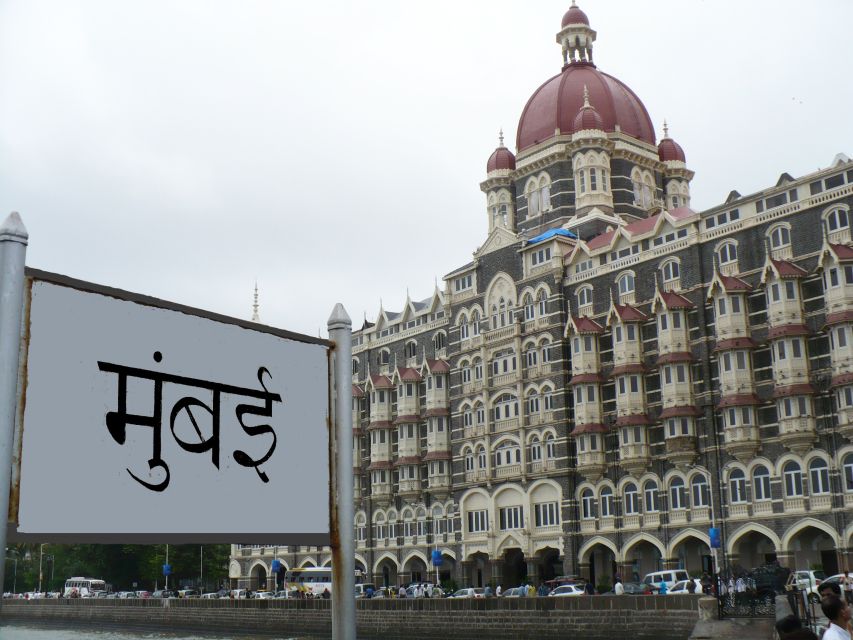
After Dharavi, the mood shifts to the waterfront monument zone. The Gateway of India stop is built for both quick photos and a short guided walk. The gateway was built to welcome King George V and Queen Mary into India, and your guide’s context helps you understand why it became such a major symbol in the city.
Right around the corner is the Taj Mahal Palace Hotel area. The tour includes a key historical detail that is easy to miss if you only glance at the building: the hotel’s original building was commissioned by Jamshedji Tata and first opened to guests on December 16, 1903. That date helps you place the building in a timeline, instead of seeing it as just a famous facade.
If you love architecture, this segment gives you a clean contrast to what you saw in Dharavi. You go from working lanes to a grand colonial-era monument scale. If you like street-level context, your guide can also help you connect the dots between Mumbai’s global-facing landmarks and the local life that runs behind them.
Other Dharavi walks, guides named
- Mumbai: Dharavi Slum, DhobiGhat, and Dabbawallas Tour★ 4.9 · 689 reviews
- Dharavi Slum Tour★ 5.0 · 625 reviews
- Dharavi Slum tour in Mumbai by local resident★ 5.0 · 572 reviews
- Mumbai: Dharavi Slum Slumdog Millionaire Tour with a Local★ 4.9 · 529 reviews
- Mumbai Slum Tour – Visit Dharavi Slum with Local Guide★ 5.0 · 509 reviews
Marine Drive to Chhatrapati Shivaji Maharaj Terminus: the city’s layers in motion
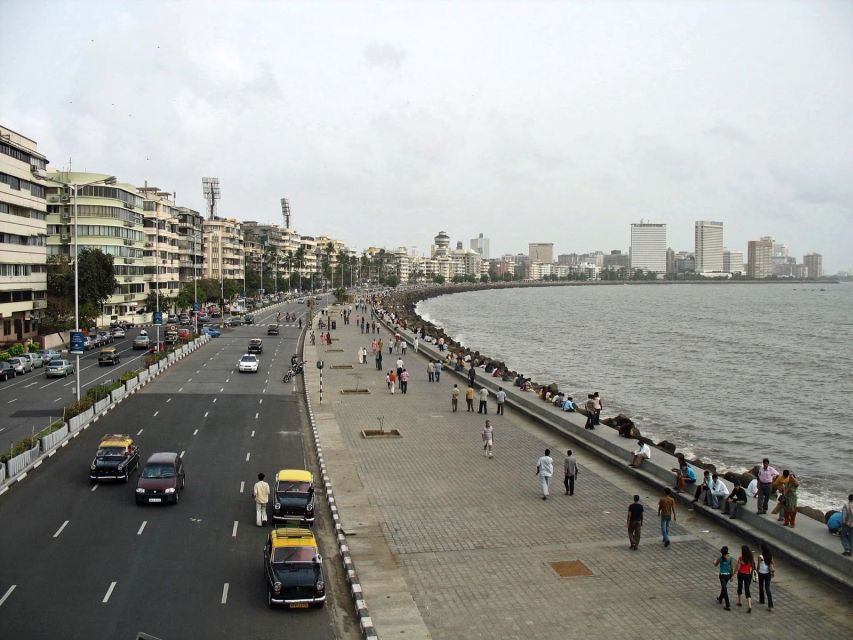
Marine Drive, often called Queens Necklace, is one of those places that changes with the light. Your stop here is short, roughly 15 minutes, which means it is best used for orientation and photos rather than deep exploration. Still, it is a smart choice because Marine Drive sits in a corridor where many major landmarks appear quickly as you move.
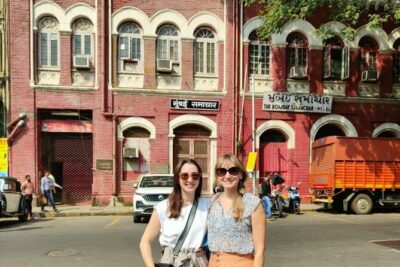
Next comes Chhatrapati Shivaji Maharaj Terminus, with about 25 minutes for photo stops and guided sightseeing. This station is UNESCO world heritage listed, and it is also one of the best places in the city to appreciate how Mumbai’s identity moved through different eras of building style and ambition. Even if you do not care about stations, it is worth taking the time to look closely. You will likely notice details that make it feel like a monument, not just transport infrastructure.
The tour also fits in a quick set of “Big Ben of India” style landmarks and recognizable British heritage landmarks in the wider route. Rajabai Clock Towers are often compared to Big Ben, and your drive-by list includes Bombay High Court and Oval Cricket Ground. Cricket shows up here in a very Mumbai way. Even a brief glance helps you see why the city cares so much about the sport.
The drawback of a tight schedule is that you cannot linger. You get to see a lot, but this portion is about getting bearings. If you want long time for museums or heavy photography, you might need an extra day after this tour.
Mani Bhavan: when the monuments turn personal

Mahatma Gandhi’s residence in Mumbai, Mani Bhavan, is included with a photo stop and guided tour time of about 25 minutes. This stop is different from the architecture-heavy segments because it pulls your attention into a more human story. Instead of focusing only on how a building looks, you pay attention to what it represents, and why Gandhi’s presence mattered in this part of the city.
I like Mani Bhavan because it gives a moral anchor to the day. After you have seen work and community in Dharavi and grand landmarks near the harbor, you end up with a quieter perspective on leadership and civic change. It is also a useful pacing break before you shift into Dhobi Ghat, which is visually busy and full of motion.
If you are short on time in Mumbai, this stop is a good use of that time. It is not the kind of place you need hours to enjoy, but it does benefit from your guide’s explanation.
Dhobi Ghat: Asia’s largest open-air laundry, seen in real time
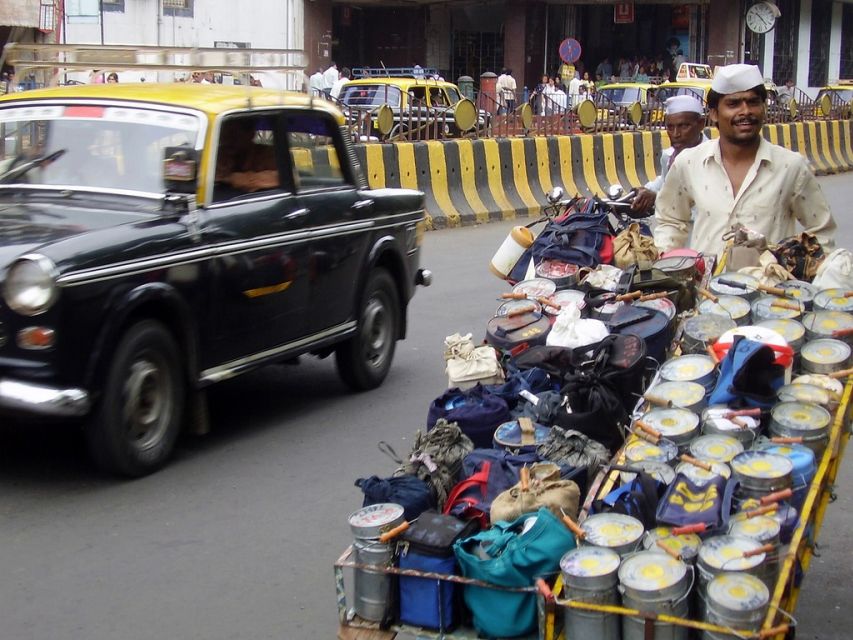
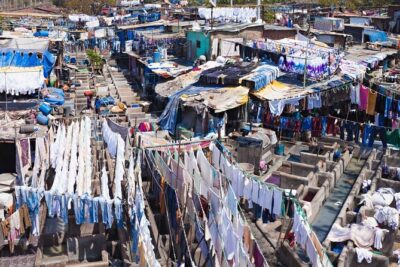
Dhobi Ghat is one of the most memorable stops because it is a working operation you can watch. The tour calls it Asia’s largest open-air laundry, and your time here is about 25 minutes with guided sightseeing and photo stops.
This is not a museum display. Clothes are washed in open air, and the whole place runs on routine. What I suggest you do is focus on the system rather than trying to capture everything. Look at how the work is set up, how people move, and how the space supports the job being done. Your guide’s commentary helps you see it as an industry and a living practice, not just a spectacle.
As with Dharavi, respect is part of the experience. You may want to keep your camera use reasonable and avoid blocking people who are actively working. The goal is to understand what you are seeing, not to turn it into a passive photo shoot.
Hanging Gardens, Kamala Nehru Park, Jain temple, and Banganga Tank: viewpoints and calm breaks
After the laundry stop, the tour leans into religious and scenic spaces. Hanging Gardens is included with about 15 minutes for photo stop, guided sightseeing, and walks. The gardens are built on top of water tanks near the Tower of Silence, a Parsi burial place. That combo is unique: you get a viewpoint structure tied to water infrastructure and a reminder of how different communities have shaped Mumbai’s landscape.
You also visit a Jain temple and the Banganga tank. These places add quieter pauses to balance a day that otherwise includes dense neighborhoods and large landmark buildings. Even when you only have a short guided window, it helps to have a basic sense of how faith and public water spaces connect in the city.
Kamala Nehru Park comes next with a skyline view and the Old Woman’s Shoe. This is one of those Mumbai “what is that shape” moments that works well when you have a guide pointing out what you are looking at. It is also a good mental reset after Dhobi Ghat, because the park format encourages you to slow down and look out at the wider city.
The Marine Drive drive past: British heritage buildings you can spot fast
One of the tour’s sneaky strengths is the drive segment that rounds out the city-view education. After Hanging Gardens and the earlier landmark zone, you spend time driving around Marine Drive, described as Queens Necklace, and passing many British heritage buildings.
Your drive list includes Prince of Wales Museum, Maharashtra Police Headquarters, Flora Fountain and Hutatma Chowk, Telegraph Office, India Post Office Building, Kala Ghoda area, David Sasoon’s Library, and the National Gallery of Modern Art. You do not get long time at each one, but you do get a mental map of where the city’s heritage cluster sits.
If you like cities you can read like a book, this drive helps. You see how civic buildings, cultural institutions, and public squares line up in a way that makes Mumbai feel layered. It is also useful if you plan to return later. You will know what to look for when you walk those streets on your own.
The only caution is that you should treat this as “context by sight.” If you want museum time, you will still need separate visits.
Price and logistics: is $70 worth a 6-hour mix like this?
At $70 per person for a 6-hour private tour, the price is reasonable if you value both guidance and efficiency. You get hotel pickup in the Friends Colony area, an air-conditioned car, an English-speaking guide, and transport costs like tolls, parking, and tax. Also, the tour is described as having no hidden cost, which matters in cities where add-ons can feel unpredictable.
The main thing that is not included is lunch. That is normal for many city tours, but it changes how you should plan your day. You’ll want to eat before you go or plan to grab something nearby after your return.
Short time at each major landmark also affects value. You are buying breadth and direction. This tour is less about deep study and more about getting the essentials of Mumbai in one day, with a real local neighborhood experience included.
Who this fits best:
- You have limited time and want both iconic sights and Dharavi
- You prefer a local guide who explains what you’re seeing
- You want a private, English-guided route with air-conditioned transport
- You are okay with an emotional topic and active walking
Who should think twice:
- You hate walking in tight areas, or you are not comfortable with close-up views of daily life
- You strongly prefer classic sightseeing only, with no community-focused stop
- You need a strict schedule with no flexibility at all, because Dharavi’s pace is part of the experience
What to bring, how to dress, and how to make the day easier
This tour has one clear clothing rule: shorts are not allowed. Plan longer pants or a covered option even if the weather is warm. You also want shoes that can handle uneven pavement and lots of steps.
Bring the basics:
- Water, especially if the day is hot
- A light layer, since indoor and outdoor temperatures can swing
- A camera if you want photos at monuments like Gateway of India and Dhobi Ghat, but keep it respectful and mindful of space
If you’re visiting in the rainy season, be prepared to get wet. You are walking in outdoor areas, and some segments are in areas where you cannot simply avoid puddles.
One more tip: let your guide know what you care about most. When guides like Dev or Dhermesh explain things clearly, you can end up spending your mental energy where it counts, like understanding the work behind what you see in Dharavi or the why behind Mani Bhavan.
Should you book this Dharavi Slum Tour & Mumbai Sightseeing tour?
I would book it if you want a full Mumbai snapshot that includes both extremes of the city’s attention. The combination of Gateway of India, Chhatrapati Shivaji Maharaj Terminus, Mani Bhavan, and Dhobi Ghat is a smart way to cover big-city icons and everyday reality in the same half-day. The real selling point is the guide-led approach to Dharavi, including Kumbharwada, plus the way the day still brings you to the skyline and major heritage landmarks.
Skip it if you only want traditional monuments and nothing that feels socially direct, or if the clothing rule and active walking are dealbreakers for you. Also, plan your meal since lunch is not included, so you do not end up hungry during the last segments.
If you match this tour to your travel style, you’ll come away understanding Mumbai as more than a skyline. You’ll see how the city works, and why so many different parts belong together.
FAQ
How long is the Dharavi Slum Tour & Mumbai Sightseeing experience?
It lasts about 6 hours.
Where do you get picked up, and where do you return?
Pickup is included in the Friends Colony area, and the tour returns you back to Friends Colony.
What’s included in the tour price?
An air-conditioned car, an English-speaking guide, tolls, and parking and tax are included. There is no hidden cost.
Is lunch included?
No, lunch is not included.
Is the tour private or shared?
It is a private group.
Is an English guide provided?
Yes, the live guide speaks English.
Are shorts allowed?
No, shorts are not allowed.
FAQ
What cancellation options are available?
You can cancel up to 24 hours in advance for a full refund.
Can I reserve without paying right away?
Yes, reserve now & pay later is offered.
What should I expect to see during the tour?
You visit Dharavi including areas like the plastic and metal recycling yard and Kumbharwada, plus major Mumbai sights such as Gateway of India, Chhatrapati Shivaji Maharaj Terminus, Mani Bhavan, Dhobi Ghat, Hanging Gardens, Kamala Nehru Park, and more.
More Dharavi Walks with Local Guides





Mumbai, Keep Exploring




Recently reviewed across Mumbai
- Mumbai City Sightseeing Guided Tour on a Bicycle
★ 5.0 · 10 reviews - Mumbai Street Food & Beach Tour with 10+ Tastings
★ 5.0 · 10 reviews - Mumbai Market Tour & Maharashtrian Cooking Class with Chef Reshma
★ 4.5 · 10 reviews - Sailing Experience in Mumbai on Mid Size Yacht
★ 5.0 · 10 reviews - 3 Days Complete Mumbai Tour Inclusive of Bollywood Studio Experience
★ 5.0 · 10 reviews - Dharavi Slum Tour
★ 5.0 · 10 reviews
Mumbai City Tours, compared.
 ★ 4.9Full-Day Sightseeing Tour of MumbaiFrom $241,822 reviews
 ★ 5.0Group Guided Walking Tour in Fort and ColabaFrom $161,073 reviews
 ★ 4.8Elephanta Caves Half-Day Guided Tour with ExpertFrom $301,032 reviews
 ★ 5.0Highlights of Mumbai Sightseeing Tour: TRAVELLERS CHOICE AWARDEDFrom $33915 reviews
 ★ 5.0Private Guided Walking Tour in Fort & ColabaFrom $36895 reviews
 ★ 4.9Street Food and Night Markets TourFrom $13719 reviews
 ★ 4.9Dharavi Slum, DhobiGhat, and Dabbawallas TourFrom $14689 reviews
 ★ 5.0Highlights of South Mumbai Guided Private Tour in AC VehicleFrom $74620 reviews
Browse the lists this tour appears in