
REVIEW · MUMBAI CITY TOURS
Mumbai: City Tour, Elephanta Caves, Dharavi Slum W/Options
Elephanta Caves and Dharavi in one day sounds intense. What makes it work is the smart flow of stops, private transport, and guides who explain the city from the street level, not just postcard angles.
I especially like the way Elephanta is handled with a real island guide like Daivat or Dave, who focuses on the Shiva carvings and even helps with photo moments. I also love the Dharavi stop when it is included, with guides such as Dawood or Dinesh who bring small-scale industry to life through stories and hands-on context.
One drawback to plan around: the cave visit involves more than 100 steps with no elevator, and the ferry ride can feel rough in real sea conditions. If you have back trouble, mobility limits, or you get motion sick easily, this day can feel like too much.
In This Review
- Key things that make this tour hit the mark
- The day’s big picture: how Mumbai fits into one schedule
- South Mumbai opener: Gateway of India, Taj views, and instant city atmosphere
- CST and South Mumbai landmarks: the architecture lesson you did not know you needed
- Malabar Hill and the quieter stops that add depth
- Dhobi Ghat laundry walks: watching work up close
- Ferry to Elephanta: the reality of crossing by sea
- Elephanta Caves: UNESCO rock-cut temples and the Shiva carvings
- The “tip and photo” moments: how guides can shape your day
- Dharavi when your option includes it: industry, community, and a careful perspective
- Private AC car and timing: why logistics matter in Mumbai
- Price and value: what you are really paying for
- What to bring, and what to watch out for
- Monsoon backup: what happens if ferry service changes
- Should you book this Mumbai, Elephanta, and Dharavi tour?
- FAQ
- How long is the Mumbai city, Elephanta, and Dharavi tour?
- What does the price usually cover?
- Is Elephanta Caves included in every option?
- How do the ferry and cave visits work?
- What should I do if I am worried about motion sickness?
- Is this tour suitable for people with mobility impairments?
- What happens if ferries are cancelled in monsoon season?
- What pickup areas are available?
- What should I bring and what is not allowed?
Key things that make this tour hit the mark
- Two expert guides for two very different Mumbai worlds (a city guide like Loki, Maze, or Dawood, plus an island guide like Daivat or David)
- UNESCO stops without confusion, including the Elephanta Caves and CST
- Dharavi is framed through work, with examples from pottery, leather, recycling, and textiles
- The ferry and steps are part of the deal, so pack for heat, wear grippy shoes, and be ready for a climb
- Pacing is adjustable, and good guides shorten walks if you are tired
- Private AC car makes the day doable, even with heavy traffic and tight timings
Mumbai, a few more routes through it
The day’s big picture: how Mumbai fits into one schedule
This is the kind of tour that helps you get your bearings fast. You start in South Mumbai, where the landmarks are close together but the city energy is strong, then you cross to Elephanta Island for the UNESCO cave complex, and finish with a Dharavi visit if your option includes it.
The value is in what gets bundled. You are not just buying transportation and a ferry ticket, you are buying guided time at the places that usually take most effort to understand on your own. At the same time, it is still a long day, so you will want to bring water and a calm mindset.
The tour is offered in multiple options, and that changes what is included, especially around Elephanta and hotel pickup. If you pick the full combo option, you get the whole structure: city highlights, ferry and cave entry, and Dharavi.
South Mumbai opener: Gateway of India, Taj views, and instant city atmosphere
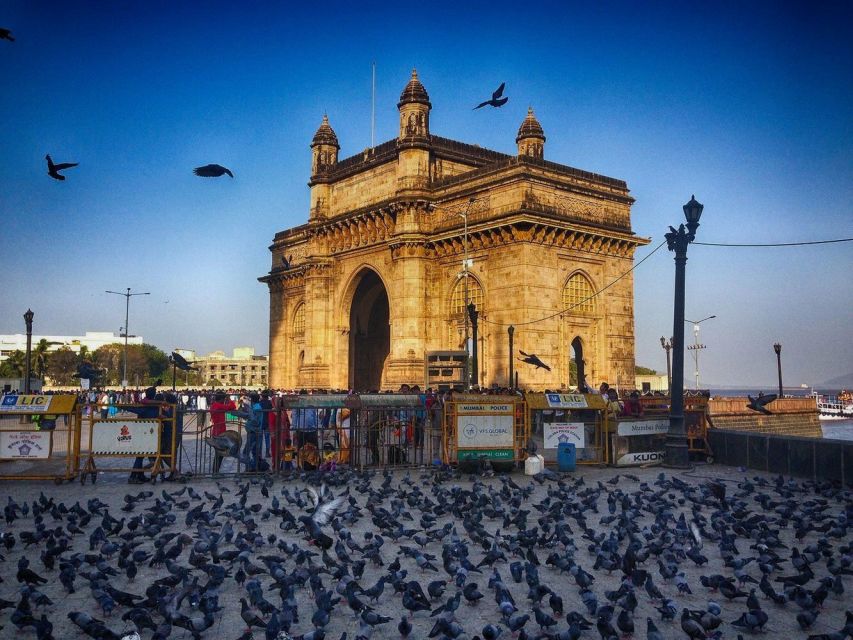
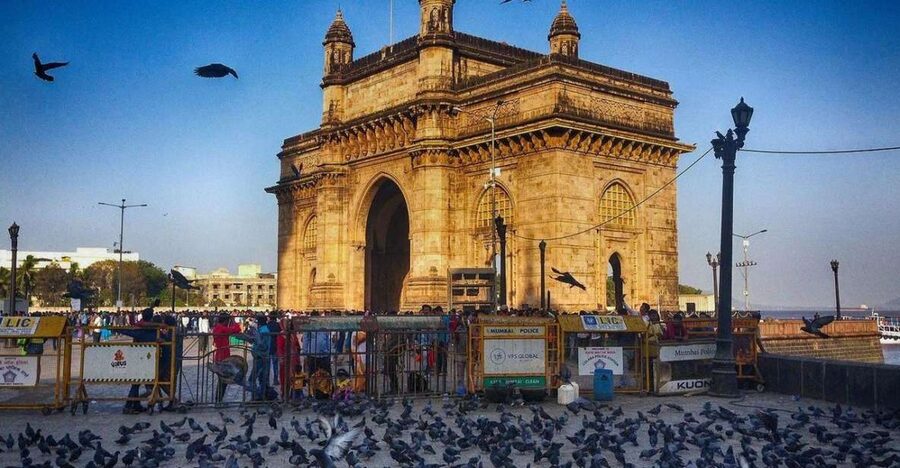
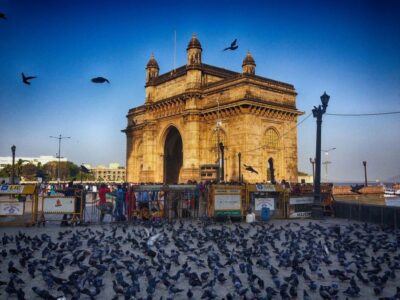
The day usually kicks off near the Gateway of India, the iconic waterfront arch that frames the Arabian Sea. It is a great starting point because you get an immediate sense of how Mumbai looks and moves, boats, traffic, and sea air all in one view.
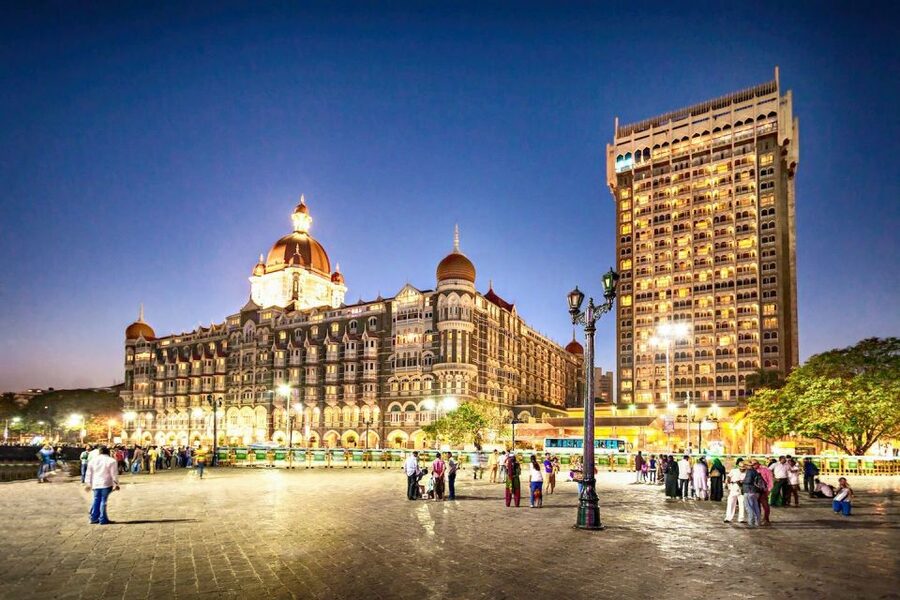
Right nearby, you will typically glance at the grandeur of the Taj Mahal Palace Hotel. It is a quick stop, but it sets the tone for the contrast you will see later in the day, old stone grandeur at the waterfront followed by working neighborhoods and industry.
Even if you are not a flag-waving history person, this part works because the guide can point out what you are looking at before you move on. You will spend your time thinking, not just staring.
CST and South Mumbai landmarks: the architecture lesson you did not know you needed
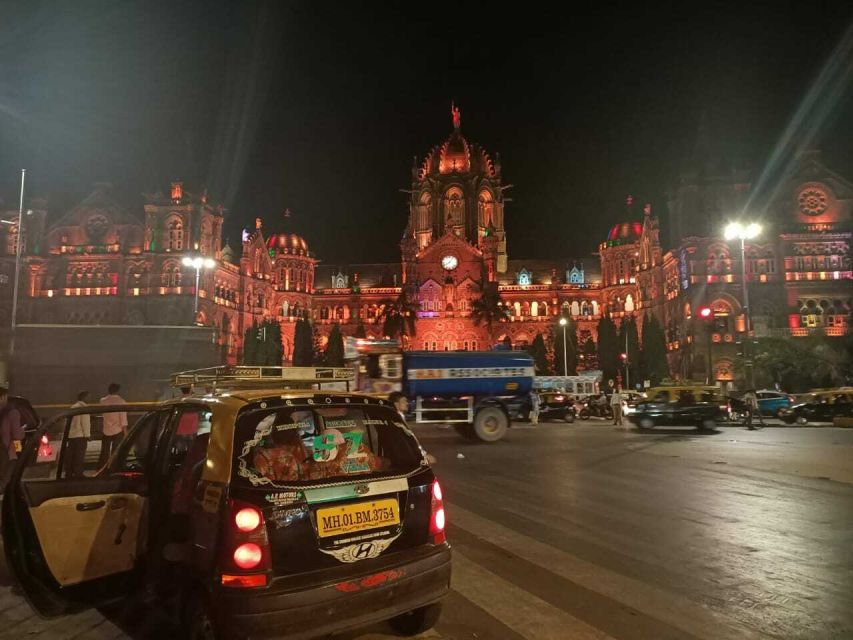
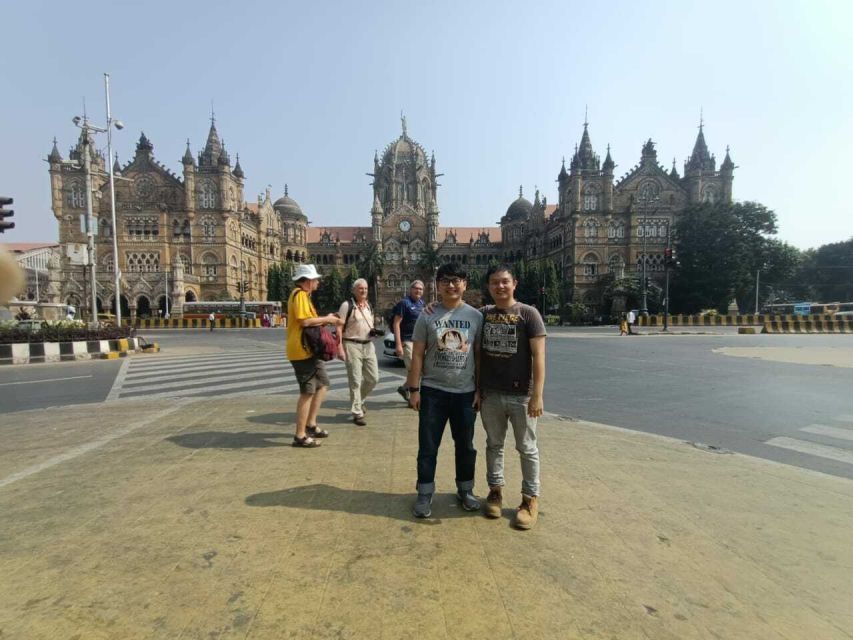
Next comes Chhatrapati Shivaji Maharaj Terminus (CST), a UNESCO World Heritage Site. This railway station is famous for the mix of Victorian Gothic style with traditional Indian design details, and a good guide helps you see those elements as you walk.
From there, the route often includes a short stop at Crawford Market and other central sights, keeping your walking time manageable. The benefit is you get multiple “wow” moments without turning the whole day into a marathon.
Then the tour heads toward the seafront: Marine Drive, the curve of lights often nicknamed the Queen’s Necklace. The timing can affect how it feels, but even during daylight you get the sweeping view and the photo-friendly stretch.
Other Dharavi walks, guides named
- Mumbai: Dharavi Slum, DhobiGhat, and Dabbawallas Tour★ 4.9 · 689 reviews
- Dharavi Slum Tour★ 5.0 · 625 reviews
- Dharavi Slum tour in Mumbai by local resident★ 5.0 · 572 reviews
- Mumbai: Dharavi Slum Slumdog Millionaire Tour with a Local★ 4.9 · 529 reviews
- Mumbai Slum Tour – Visit Dharavi Slum with Local Guide★ 5.0 · 509 reviews
Malabar Hill and the quieter stops that add depth
After the fast city beats, you get a visual breather at Hanging Gardens on Malabar Hill. You will have time to wander among terraced greenery and catch panoramic views over the city.
Then the tour shifts to cultural stops such as Mani Bhavan, with a guided visit, and Banganga Tank, also guided. These stops matter because they slow the day down just enough to connect the landmarks into a bigger Mumbai story, not a checklist.
If you like your sightseeing organized but not rushed, this middle segment is where the tour starts feeling balanced. It also gives you a mental reset before the ferry ride, which can be tiring.
Dhobi Ghat laundry walks: watching work up close
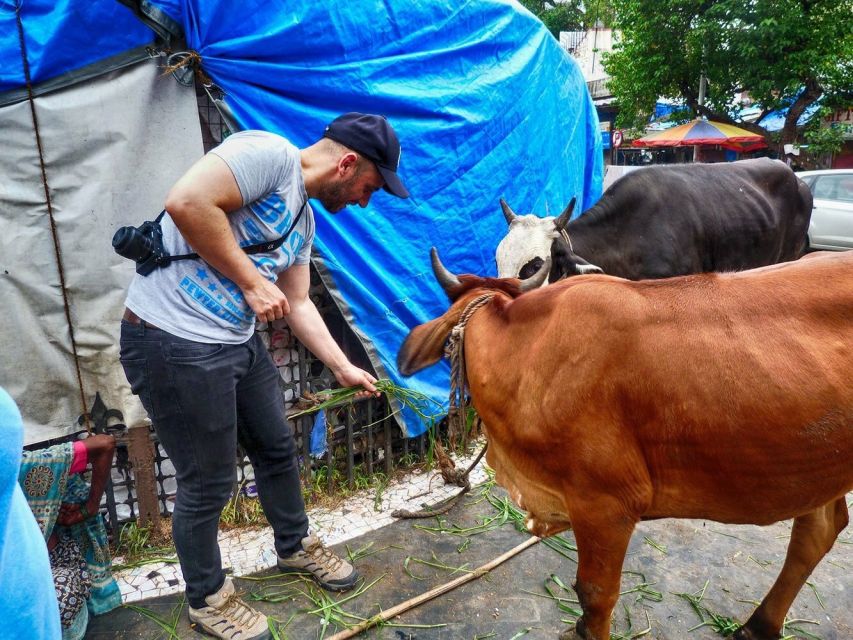
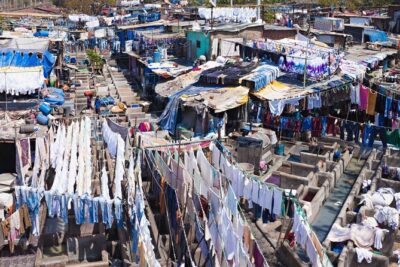
One of the most memorable parts for many people is the visit to Dhobi Ghat, where laundry work happens in an open-air setting. A local-guided walk gives you context for what you are seeing and helps you understand how routine and industry fit into daily life.
This part is not just for photos. It is a way to understand Mumbai as a working city, not only a sightseeing destination. And when a guide is good at pacing, you can stay curious without feeling like you are standing around in one spot too long.
Because the day is long, you should expect some walking and uneven surfaces. Wear shoes that do not slip, and if you start feeling drained, ask your guide to adjust the pace.
Ferry to Elephanta: the reality of crossing by sea
The ferry ride to Elephanta Caves is a full stop in the day, not just transportation. You should plan for about an hour each way based on the schedule, but real-world timing can stretch, and the ride can feel crowded, especially on busy travel days.
The biggest practical tip: if you get motion sick, bring the right medicine ahead of time. One recurring theme is that the ferry ride can feel rough, and a little prevention makes a huge difference in how enjoyable Elephanta feels.
Also, bring a light layer if you run cold on boats. Even in warm weather, conditions can change quickly once you are out on the water.
Elephanta Caves: UNESCO rock-cut temples and the Shiva carvings
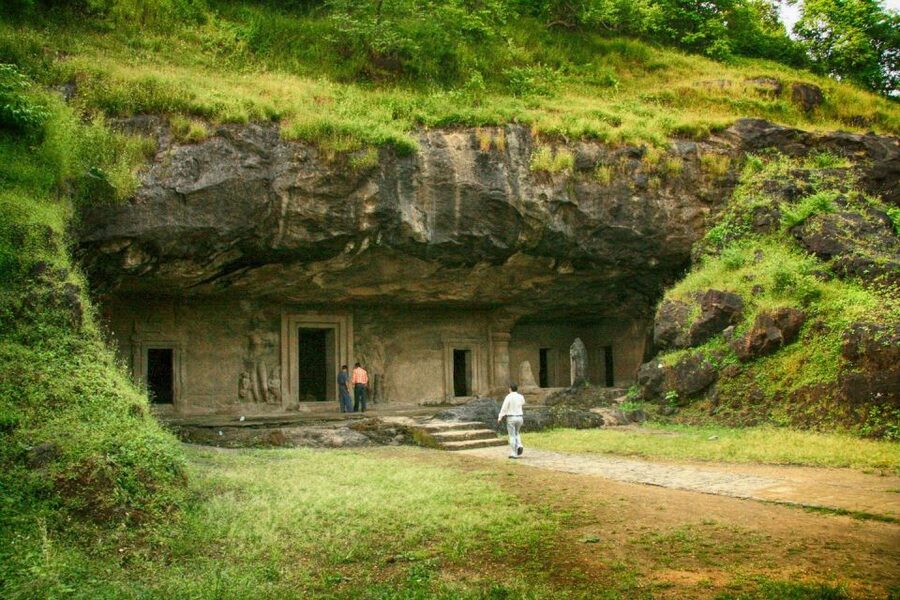
Once you reach the island, the tour becomes a walking and climbing experience. There is no elevator, and you will climb more than 100 steps to reach the cave area. That is the line in the sand for suitability, and it is worth taking seriously even if you are fine with stairs.
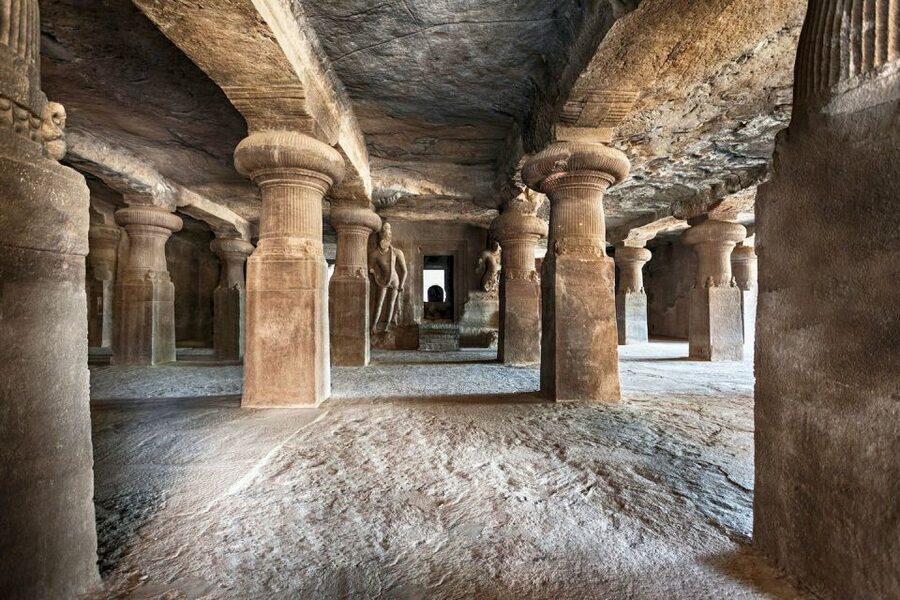
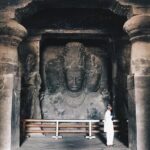
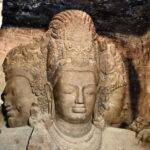
Inside, you get a guided two-hour cave visit with time for sightseeing and walking. The caves are UNESCO-listed rock-cut temples dedicated to Lord Shiva, and they are known for the iconic three-faced Shiva sculpture.
This is where the island guide makes the visit click. Guides like Daivat, David, or Dave often explain the meaning of carvings and the religious symbolism in a way that feels practical, not like a lecture. Several guides also help with photo timing and angles, which matters because the best views are specific and you do not want to guess them.
If you are short on time, a cave guide is not optional. Without context, you may understand there is artwork, but you will miss why it matters.
The “tip and photo” moments: how guides can shape your day
A big part of why this tour often rates near the top is the human factor. City guides such as Loki, Maze, and Dawood commonly balance humor with clear explanations, and the island guides often add cultural context plus photo help.
Still, one caution: a guide asking for tips or encouraging a review on the spot can feel uncomfortable if you prefer a quieter experience. You have control here. Decide your tipping style ahead of time, and if something feels pushy, stick to your plan.
The good news is that most guides seem to manage comfort well. In real day conditions, people get tired, heat hits, and guides often adjust the walking portion to keep the day enjoyable.
Dharavi when your option includes it: industry, community, and a careful perspective
If you select the all inclusive full-day option, you add Dharavi. This is one of the biggest “value per hour” sections of the day because the guide focuses on what people do, pottery and leather work, recycling, and textiles, plus the community spirit that keeps things running.
It is not only a glance from a distance. You typically walk through areas where small-scale industries operate, and a local guide can explain how people connect work and life.
Guides such as Dawood in particular are praised for making the visit feel personal and safe, including things like showing the area in more direct ways, and even taking a train for parts of the experience. You also may see small market interactions, including mango haggling, if that fits the day’s pace.
One note for expectations: Dharavi is not a theme park. You should go with respect, quiet curiosity, and the willingness to listen. If you want staged photo moments only, this stop will not feel like that.
Private AC car and timing: why logistics matter in Mumbai
Mumbai traffic can turn a plan into chaos fast. That is why the private AC car with driver is such a practical win. Even when the schedule is packed, you get fewer “where is the bus now” moments.
Pickup is optional, with service from Mumbai Airport, hotels near the airport, North Mumbai, Juhu, Santacruz, Andheri, Powai, and Goregaon. That flexibility matters because starting from the wrong side of the city can add expensive time.
A small reality check: while AC is listed as included with most options, at least one person reported that the AC was not working well in the vehicle. So it is reasonable to dress for heat and carry water, especially if you are traveling in warmer months.
Also, note that the tour is private group available. That usually means you can ask for pacing changes without feeling like you are stuck in a rigid crowd schedule.
Price and value: what you are really paying for
The price is listed at about $32 per person, and that number makes sense only when you choose the option that includes the big ticket items. When Elephanta entrance fees, village taxes, and ferry tickets are included, you are not adding separate costs later or losing time to lines and ticket counters.
You are also paying for the guide layer. Elephanta Caves are not the kind of place where “anyone could do it.” The carvings need explanation, and the island guide is what turns the caves from scenery into understanding.
For the city portion, you get multiple stops that would be time-consuming to coordinate on your own. Then Dharavi adds another guided lens when included, with local context that is hard to replicate without insider guidance.
So the value is not just the sightseeing. It is time saved, context added, and friction removed. If you pick the wrong option, especially around Elephanta and hotel pickup, the day can lose some of that value fast.
What to bring, and what to watch out for
This tour asks for comfort because it is a full day on your feet.
Bring:
- Comfortable shoes for stairs and uneven surfaces
- Sunglasses and a sun hat for the outdoor segments
- Water, especially if you are sensitive to heat
Know in advance:
- No elevator at Elephanta Caves
- Not suitable for back problems or mobility impairments
- You cannot bring luggage or large bags
Heat can also affect your pacing. Guides often help you slow down, but your comfort starts with what you bring.
Monsoon backup: what happens if ferry service changes
Mumbai monsoons can disrupt water travel. During July to mid September, ferries can be delayed or cancelled by the government if winds are strong.
If that happens, you are offered a different cave experience in the city area, Kanheri Caves, or a 30% refund. That backup plan is a big deal because it prevents your day from collapsing into nothing just because the sea is rough.
If you are traveling in monsoon season, I would plan your expectations with that flexibility in mind.
Should you book this Mumbai, Elephanta, and Dharavi tour?
Book it if you:
- Want UNESCO in one day, including Elephanta and CST
- Prefer a guided day with a private AC car to reduce stress
- Have limited time and want both “big landmark Mumbai” and “working Mumbai” in the same schedule
- Like learning from local guides such as Daivat/Dave for Elephanta and Dawood or Dinesh when Dharavi is included
Skip or reconsider if you:
- Have mobility issues or back problems because the cave climb involves more than 100 steps and no elevator
- Get motion sick easily, since the ferry ride can be rough
- Want a very gentle pace, since this day stacks several active stops
If you do book, choose the option carefully so Elephanta, ferry, and Dharavi match what you actually want. Then pack for heat and sea conditions, and you will get a day that feels like you saw Mumbai from multiple angles, not just the postcard ones.
FAQ
How long is the Mumbai city, Elephanta, and Dharavi tour?
The duration is listed as 4 to 10 hours, depending on the option you choose and the starting time available.
What does the price usually cover?
The tour includes a private experience, an expert English-speaking guide, and a private group option. Depending on the option, it may include the AC car, hotel pickup and drop-off, ferry tickets to and from Elephanta, and Elephanta Caves entrance fees and village taxes.
Is Elephanta Caves included in every option?
No. Elephanta Caves are not included if you choose the option labeled Mumbai Half day sightseeing Tour. Elephanta is also excluded for the Half-Day Elephanta Tour from Meeting Point option in terms of city tour and hotel pickup.
How do the ferry and cave visits work?
You take a ferry to Elephanta, then you do a guided cave visit. There is ferry time of about 1 hour each way, and the cave visit includes climbing more than 100 steps with no elevator.
What should I do if I am worried about motion sickness?
The ferry ride can feel rough for some people, so if you get motion sick, you should consider taking the right preventive steps before the crossing.
Is this tour suitable for people with mobility impairments?
No. The tour is not suitable for people with back problems or mobility impairments.
What happens if ferries are cancelled in monsoon season?
During July to mid September, ferries may be delayed or cancelled if winds are strong. If that happens, the activity may switch to visiting the Kanheri caves or you may receive a 30% refund.
What pickup areas are available?
Pickup is optional from Mumbai Airport, hotels near Mumbai Airport, North Mumbai, Juhu, Santacruz, Andheri, Powai, and Goregaon.
What should I bring and what is not allowed?
Bring comfortable shoes, sunglasses, and a sun hat. Large bags or luggage are not allowed.
Caves Within Reach of Mumbai



More Dharavi Walks with Local Guides





Mumbai, Keep Exploring




Recently reviewed across Mumbai
- Mumbai City Sightseeing Guided Tour on a Bicycle
★ 5.0 · 10 reviews - Mumbai Street Food & Beach Tour with 10+ Tastings
★ 5.0 · 10 reviews - Mumbai Market Tour & Maharashtrian Cooking Class with Chef Reshma
★ 4.5 · 10 reviews - Sailing Experience in Mumbai on Mid Size Yacht
★ 5.0 · 10 reviews - 3 Days Complete Mumbai Tour Inclusive of Bollywood Studio Experience
★ 5.0 · 10 reviews - Dharavi Slum Tour
★ 5.0 · 10 reviews
Mumbai City Tours, compared.
 ★ 4.9Full-Day Sightseeing Tour of MumbaiFrom $241,822 reviews
 ★ 5.0Group Guided Walking Tour in Fort and ColabaFrom $161,073 reviews
 ★ 4.8Elephanta Caves Half-Day Guided Tour with ExpertFrom $301,032 reviews
 ★ 5.0Highlights of Mumbai Sightseeing Tour: TRAVELLERS CHOICE AWARDEDFrom $33915 reviews
 ★ 5.0Private Guided Walking Tour in Fort & ColabaFrom $36895 reviews
 ★ 4.9Street Food and Night Markets TourFrom $13719 reviews
 ★ 4.9Dharavi Slum, DhobiGhat, and Dabbawallas TourFrom $14689 reviews
 ★ 5.0Highlights of South Mumbai Guided Private Tour in AC VehicleFrom $74620 reviews
Browse the lists this tour appears in