
REVIEW · MUMBAI CITY TOURS
Mumbai: Dharavi Slum 2-Hour Walking Tour
Dharavi is not what you expect at first. This 2-hour walk through Mumbai focuses on everyday life, tight alleys, and the working systems behind a famous neighborhood. It is equal parts eye-opener and plain-old street education, guided in English by people who know the place up close.
What I like most is the chance to see how people build livelihoods with simple tools, from recycling to dye work. I also like how the tour frames Dharavi as a functioning mini-city, not just a dramatic headline. If you want a view that feels human-scale, this format helps.
One thing to consider up front: cameras are strictly prohibited, and the walk is not suitable for wheelchair users. You should also plan on modest dress, comfortable shoes, and walking on narrow paths.
In This Review
- Key points you will feel fast
- Meeting at Mahim: Café Coffee Day and what to know before you walk
- Two hours in Dharavi: how this walk gives context without overwhelming you
- The Slumdog Millionaire filming stop: pop culture with real street context
- Trades you can actually understand: recycling, dye work, leather, pottery, and more
- Everyday community life: schools, churches, and the neighborhood’s shared rhythm
- Alleyways and questions: staying respectful in a place built for real life
- Price and logistics: is $65 for two hours good value?
- Who should book this Dharavi walk, and who should skip it
- Should you book this Dharavi Slum 2-hour walking tour?
- FAQ
- How long is the Dharavi walking tour?
- How much does the tour cost?
- Where is the meeting point?
- Where does the tour finish?
- What is included in the price?
- Is the tour group small?
- What language is the tour guide?
- Are cameras allowed?
- What should I wear and bring?
- Is it wheelchair accessible, and can I cancel?
Key points you will feel fast
- Slumdog Millionaire filming stop shows how pop culture and daily life overlap in the same streets
- Small group of up to 10 keeps the walk manageable in narrow alleyways
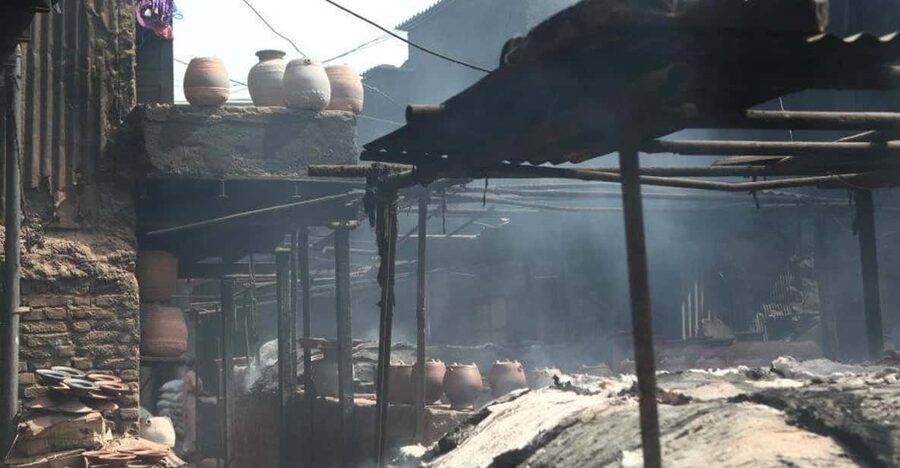
- Local trades in action like vegetable oil can recycling, dye production, leather work, pottery, soap, and papadums
- Community landmarks such as schools and churches give context beyond industry
- Guides like Dinesh bring personal perspective, with a focus on safety and questions
Mumbai, a few more routes through it
Meeting at Mahim: Café Coffee Day and what to know before you walk
You meet at Café Coffee Day opposite Mahim Railway Station, on Tulsi Pipe Road. It is a practical anchor point, and it matters because Dharavi streets can feel like a maze once you start moving. The tour is English-led and limited to 10 participants, so you are not fighting for attention in a crowd.
Your guide will wear a purple shirt with a footprint logo. That sounds like a small detail, but when you are meeting in a busy area, visual cues are everything. Wear comfortable shoes and plan to bring water, plus a hat or cap for sun.
Dress modestly. Short skirts are not allowed, and cameras are strictly prohibited. That last one changes the whole tone of the visit. Instead of collecting photos, you pay attention to what people are doing and what the guide is explaining.
Two hours in Dharavi: how this walk gives context without overwhelming you
This is a 2-hour guided walking tour, so you are not trying to “see everything.” You are learning how Dharavi works as a neighborhood: where people live, where they produce goods, and how community spaces fit into daily schedules. The time limit keeps it focused, which is good, because the area is packed with activity.
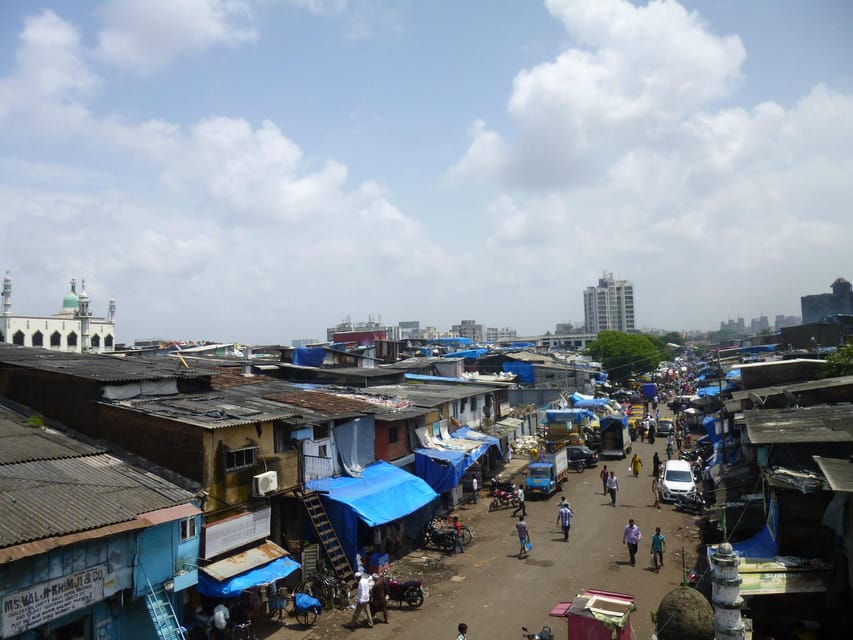
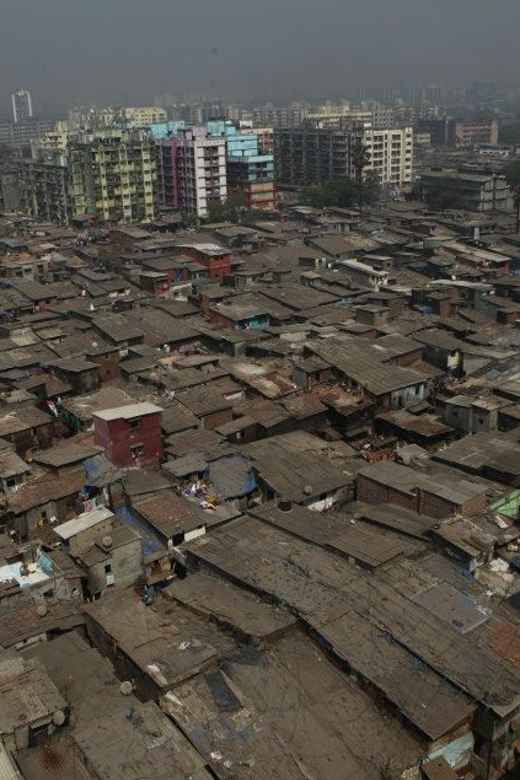
Dharavi is often described as one of the world’s largest slum areas, with an estimated population range of about 700,000 to a million people. You will hear that number, but more important is what it means on the ground. It translates to dense foot traffic, tight lanes, shared walls, and workplaces close to living spaces.
One of the tour’s best reminders is also a reality check: you should not expect to see only extreme poverty. The goal is to go beyond stereotypes and notice ingenuity, hard work, and the fact that everyday routines continue. That does not mean problems vanish, but it does mean you will see systems that keep life running.
The Slumdog Millionaire filming stop: pop culture with real street context
Dharavi became world-famous after the 2008 hit movie Slumdog Millionaire. On this walk, you visit a place where a scene from that film was made, which makes the experience instantly recognizable, even if you have not thought about the neighborhood in a while.
What makes this stop worth your time is the way it is handled. Instead of treating it like a photo-op location, the walk uses it as a prompt to ask better questions: Who lived here before the cameras? What does “fame” do to a community? How does media storytelling compare to lived reality?
You will also get a sense of how quickly the tour moves from entertainment to industry. That contrast is the point. Dharavi is not a set, and the people living there are not extras. The guide helps you keep that straight while you look at streets that many outsiders only know through a movie.
Other Dharavi walks, guides named
- Mumbai: Dharavi Slum, DhobiGhat, and Dabbawallas Tour★ 4.9 · 689 reviews
- Dharavi Slum Tour★ 5.0 · 625 reviews
- Dharavi Slum tour in Mumbai by local resident★ 5.0 · 572 reviews
- Mumbai: Dharavi Slum Slumdog Millionaire Tour with a Local★ 4.9 · 529 reviews
- Mumbai Slum Tour – Visit Dharavi Slum with Local Guide★ 5.0 · 509 reviews
Trades you can actually understand: recycling, dye work, leather, pottery, and more
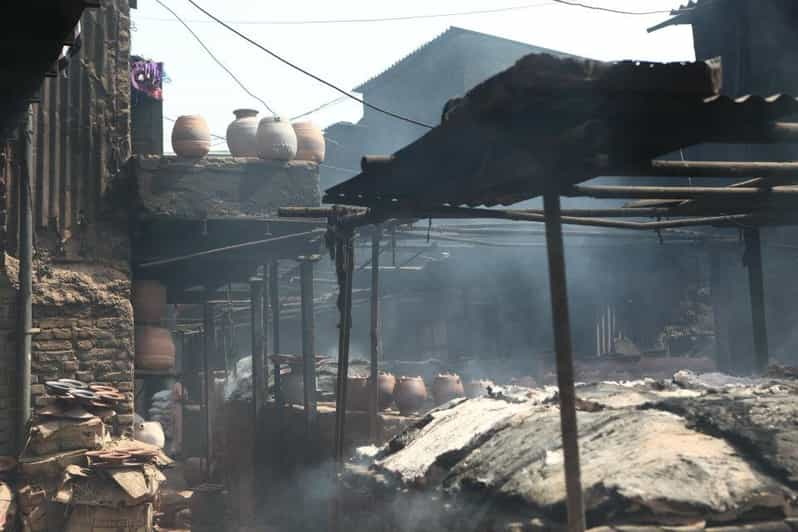
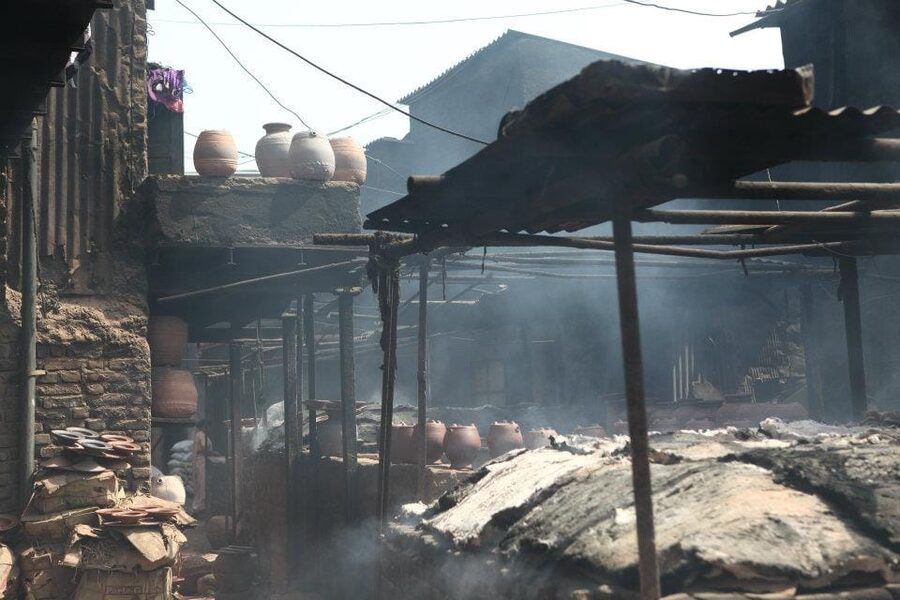
One of the strongest reasons to book is the tour’s focus on work. You will see or hear about different trades that shape local life, including recycling of vegetable oil cans and dye production. You will also encounter mentions of plastic recycling, leather work, and pottery workshops.
This is where the walk turns from “sightseeing” into practical learning. People in Dharavi run small industries that convert waste into usable materials, create products, and keep money circulating locally. Even in tight spaces, there is organization behind the scenes.
If you are the kind of person who always wonders how things are made, you will like this part. Papadums, for example, are baked in the area, and soap is made there too. Those are small details, but they connect you to the everyday economy. You stop thinking in terms of labels, and you start thinking in terms of steps: source material, processing, finishing, and sale.
In at least one guided experience, the walk covered industrial areas first, then moved through residential and Muslim sections, including narrow corridors in the heart of the neighborhood. That structure helps your brain map what you are seeing, rather than treating every lane as the same blur.
Everyday community life: schools, churches, and the neighborhood’s shared rhythm
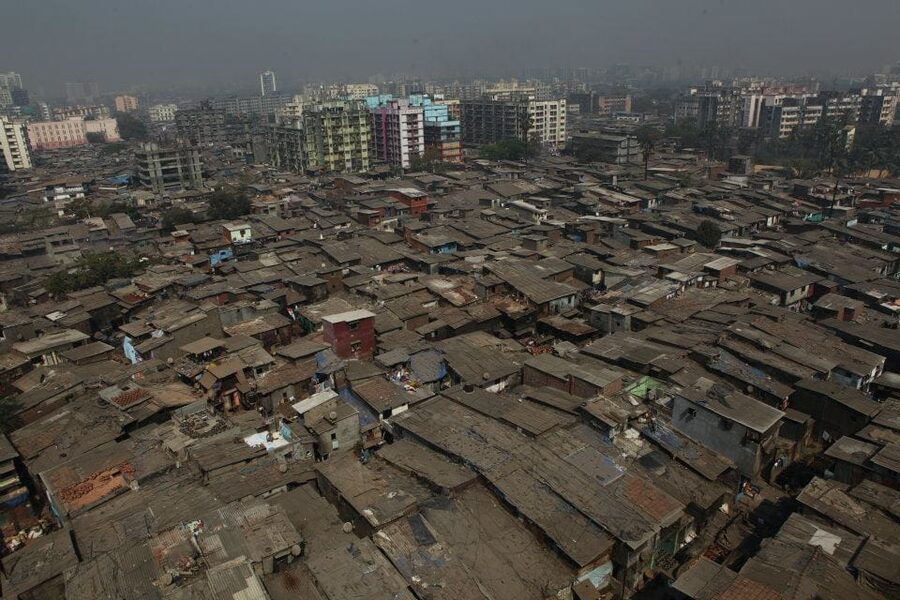
A big part of the tour is not just factories and workshops, but shared community spaces. You will see references to schools and churches used by residents. For me, that is one of the most grounding parts of the walk, because it shifts the conversation from production to people.
Why it matters: schools and churches are where communities gather, teach, and support each other. When you understand that, it becomes easier to see Dharavi as a place with routines and responsibilities, not only a place of work.
The tour also aims to build a clearer picture of how multiple communities live side by side. Expect a mix of what you might think of as industrial, residential, and cultural zones, all within walking distance. You are not “passing through,” you are moving through different parts of the same neighborhood.
You may also have a moment where the guide shares personal perspective. In one example, the guide named Dinesh talked from his own upbringing, and that kind of lived context tends to make the explanations sharper. When the guide grew up there, the details feel less like a lecture and more like an informed walkthrough.
Alleyways and questions: staying respectful in a place built for real life
Narrow alleyways are part of the deal. You will be walking through tight lanes where life happens at street level. This is not a theme park. It is active, and you need to behave like you are entering someone’s day, not staging your own day.
Cameras are not allowed, which helps. You should still expect the guide to set boundaries about what is appropriate to look at and ask. The tour’s structure, plus the small group size, makes it easier to pause for questions without blocking foot traffic.
Plan your mindset ahead of time. If you arrive thinking the tour is only about poverty, you are likely to miss the most important lesson. The walk is designed to show how people solve problems with limited resources, how trades operate, and how the neighborhood’s spirit persists.
For safety and comfort, stick close to the guide at crossings and turns. You cannot “wander” in Dharavi the way you might in a more open tourist area. That is normal, and it is part of how the tour keeps things organized.
Price and logistics: is $65 for two hours good value?
At $65 per person for a 2-hour small-group walk, this is not the cheapest thing you can do in Mumbai. But it also is not random sightseeing. You are paying for a live local guide, English explanations, and on-request transportation support.
The small group size matters here. Up to 10 people means you are less likely to be rushed and more likely to get real answers. And a local guide who knows the neighborhood can help you interpret what you see, especially in a place where outsiders often jump to stereotypes.
Is it worth it for you? If you want a superficial taste, there are cheaper options. If you want a structured, respectful street-level understanding of how Dharavi functions, the price starts to make sense. Two hours is short enough to stay manageable, while long enough to cover more than a single lane and a single topic.
One practical drawback: photography is off-limits. If you are the kind of traveler who needs images to process a place later, that may feel frustrating. You can still remember a lot, but you will rely more on notes, listening, and your own observations.
Who should book this Dharavi walk, and who should skip it
This tour fits best if you:
- Want to learn about trades like recycling, dye work, and soap making rather than only seeing buildings
- Prefer small-group walking tours with time for questions
- Are curious about how communities function, including schools and churches
Consider skipping if:
- You need a wheelchair-accessible route (this walk is not suitable for wheelchair users)
- You want to take photos as your main way of capturing memories
- You do not like modest dress requirements
Also, keep your expectations clean. This is guided education about daily life and community systems. It is not designed to be a shock-and-awe poverty spectacle, and it is better if you come ready to notice the working parts of the neighborhood.
Should you book this Dharavi Slum 2-hour walking tour?
If you want an honest, street-level understanding of Dharavi that moves past simple stereotypes, I think you will get value from this format. The guide-led focus on trades, community spaces, and respectful street behavior is exactly what makes the experience meaningful.
Book it if you can handle walking on narrow paths, dress modestly, and leave your camera behind. Skip it if mobility needs are a factor or if you feel strongly that you must photograph everything.
FAQ
How long is the Dharavi walking tour?
The tour lasts 2 hours.
How much does the tour cost?
It costs $65 per person.
Where is the meeting point?
Meet at Café Coffee Day opposite Mahim Railway Station, Tulsi Pipe Road, Mumbai.
Where does the tour finish?
The tour finishes at Mahim Junction.
What is included in the price?
The price includes a guide, and transportation on request.
Is the tour group small?
Yes. It is limited to 10 participants.
What language is the tour guide?
The live tour guide is English.
Are cameras allowed?
No. Cameras are strictly prohibited.
What should I wear and bring?
Bring comfortable shoes, a water bottle, and a hat or cap. Dress modestly, since short skirts are not allowed.
Is it wheelchair accessible, and can I cancel?
It is not suitable for wheelchair users. You can cancel up to 24 hours in advance for a full refund.
More Dharavi Walks with Local Guides





Mumbai, Keep Exploring




Recently reviewed across Mumbai
- Mumbai City Sightseeing Guided Tour on a Bicycle
★ 5.0 · 10 reviews - Mumbai Street Food & Beach Tour with 10+ Tastings
★ 5.0 · 10 reviews - Mumbai Market Tour & Maharashtrian Cooking Class with Chef Reshma
★ 4.5 · 10 reviews - Sailing Experience in Mumbai on Mid Size Yacht
★ 5.0 · 10 reviews - 3 Days Complete Mumbai Tour Inclusive of Bollywood Studio Experience
★ 5.0 · 10 reviews - Dharavi Slum Tour
★ 5.0 · 10 reviews
Mumbai City Tours, compared.
 ★ 4.9Full-Day Sightseeing Tour of MumbaiFrom $241,822 reviews
 ★ 5.0Group Guided Walking Tour in Fort and ColabaFrom $161,073 reviews
 ★ 4.8Elephanta Caves Half-Day Guided Tour with ExpertFrom $301,032 reviews
 ★ 5.0Highlights of Mumbai Sightseeing Tour: TRAVELLERS CHOICE AWARDEDFrom $33915 reviews
 ★ 5.0Private Guided Walking Tour in Fort & ColabaFrom $36895 reviews
 ★ 4.9Street Food and Night Markets TourFrom $13719 reviews
 ★ 4.9Dharavi Slum, DhobiGhat, and Dabbawallas TourFrom $14689 reviews
 ★ 5.0Highlights of South Mumbai Guided Private Tour in AC VehicleFrom $74620 reviews
Browse the lists this tour appears in