
REVIEW · MUMBAI CITY TOURS
Mumbai: Dharavi Slum and Dhobi Ghat Laundry Tour
Mumbai turns sideways in three hours. This is one of the few tours that connects Dhobi Ghat laundry with Dharavi’s everyday work and a short ride on a real local train.
I love the scale you get at Dhobi Ghat, with over 100,000 clothes washed daily using traditional methods. I also love the calm, clear explanations from local guides like Ruba, including personal stories and practical answers to questions. One drawback to plan for is that Dharavi’s lanes can feel crowded and tight, and photography may be restricted in certain areas, so you need to stay flexible.
In This Review
- Key highlights you will remember
- Why Dhobi Ghat laundry and Dharavi industry belong together
- Finding your way: starting points and the first steps in Dharavi
- The local train segment: 15 minutes that feel like real transport
- Dhobi Ghat: watching traditional laundry methods at mass scale
- Dharavi’s industry map: leather, pottery at Kumbhar Wada, and plastic recycling
- Meeting the people side of Dharavi without turning it into a show
- Walking reality check: crowded lanes, footwear, and pacing
- What to bring (and what will quietly save your tour)
- Value for $5: what you actually get in three hours
- Practical reality: timing shifts can happen
- Who this tour is for (and who should consider another option)
- How to behave so the experience stays respectful and smooth
- Should you book this Mumbai Dharavi and Dhobi Ghat tour?
- FAQ
- How long is the tour?
- Where do I meet the guide?
- What is included in the tour price?
- Is food or drinks included?
- Do I ride Mumbai’s local train?
- Is there an English-speaking guide?
- What should I bring?
- Can I smoke during the tour?
- Is photography allowed everywhere?
- Who is this tour not suitable for?
Key highlights you will remember
- Dhobi Ghat in action, where time-honored washing methods handle a massive daily volume
- A short local train ride, about 15 minutes, for a real slice of Mumbai rhythm
- Dharavi industry stops, including leather, pottery, and plastic recycling themes
- English-led, local guidance, with guides praised for clarity and respect
- Strong emphasis on safety and privacy, especially around narrow lanes and working areas
Mumbai, a few more routes through it
Why Dhobi Ghat laundry and Dharavi industry belong together
If Mumbai had a shortcut to understanding how cities actually run, it would look like this. You start in Dharavi, where small businesses turn into big outputs, then you shift to Dhobi Ghat, where laundry is not a side job, it is a system.
What makes the pairing smart for you is contrast. Dharavi shows the variety of work happening in tight quarters. Dhobi Ghat shows the relentless process behind everyday essentials like clean clothes.
For me, the most practical value is how the tour helps you connect what you see to how people survive and plan. You are not just looking, you are learning the logic of the places you pass through.
Finding your way: starting points and the first steps in Dharavi
The tour has a couple of meeting options, with Third Wave Coffee listed as one of them. Your exact meeting point can vary based on the option you choose, so double-check it before you head out.
Once you meet your guide, you move quickly from introductions to orientation. In the itinerary, there is a very short guided start at Dharavi, and you can expect that to function like a quick way to set expectations before you enter narrow lanes.
Plan your timing like a Mumbai local, not a museum visitor. You will cover distances on foot, and the walking part matters more than you might expect for a 3-hour tour.
The local train segment: 15 minutes that feel like real transport
The tour includes a 15-minute ride on Mumbai’s iconic local train. This is not a sightseeing train stop, it is the kind of transit that keeps the city moving, fast and crowded.
Even if you have never ridden a train in India before, this segment is designed to be manageable in time. You get the experience without turning your day into an all-day commute.
One practical thing I like about this setup for you is that the guide is there to keep the flow organized. In past trips, guides have helped with train ticket steps and kept people from getting lost in the process.
Other Dharavi walks, guides named
- Mumbai: Dharavi Slum, DhobiGhat, and Dabbawallas Tour★ 4.9 · 689 reviews
- Dharavi Slum Tour★ 5.0 · 625 reviews
- Dharavi Slum tour in Mumbai by local resident★ 5.0 · 572 reviews
- Mumbai: Dharavi Slum Slumdog Millionaire Tour with a Local★ 4.9 · 529 reviews
- Mumbai Slum Tour – Visit Dharavi Slum with Local Guide★ 5.0 · 509 reviews
Dhobi Ghat: watching traditional laundry methods at mass scale
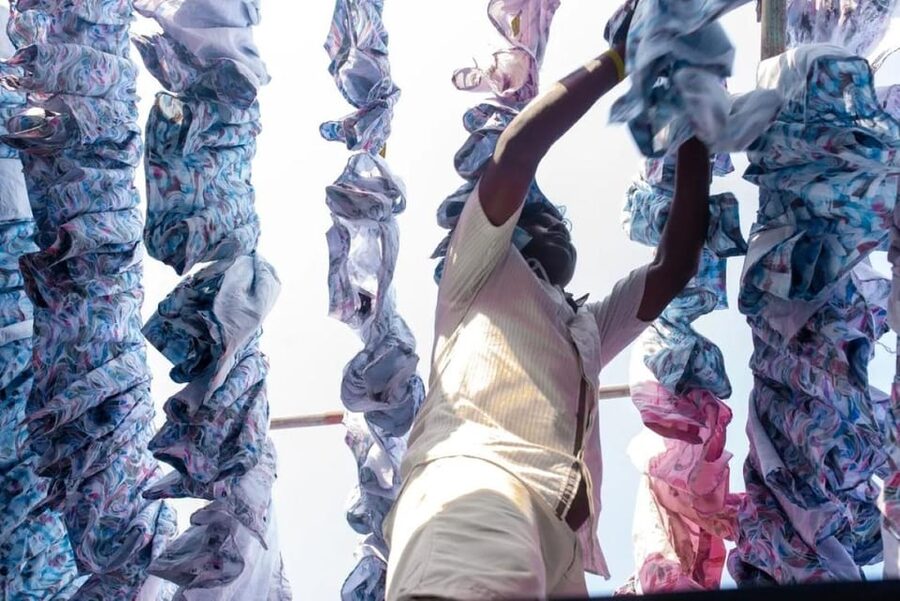
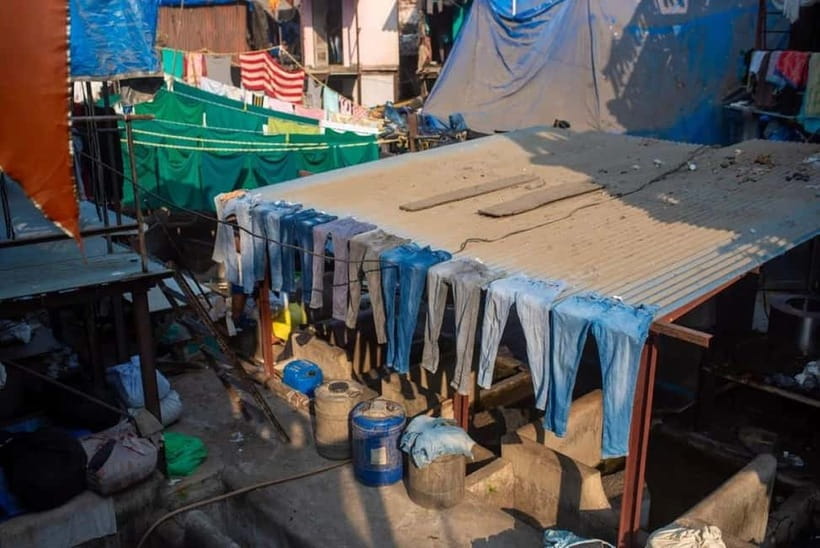
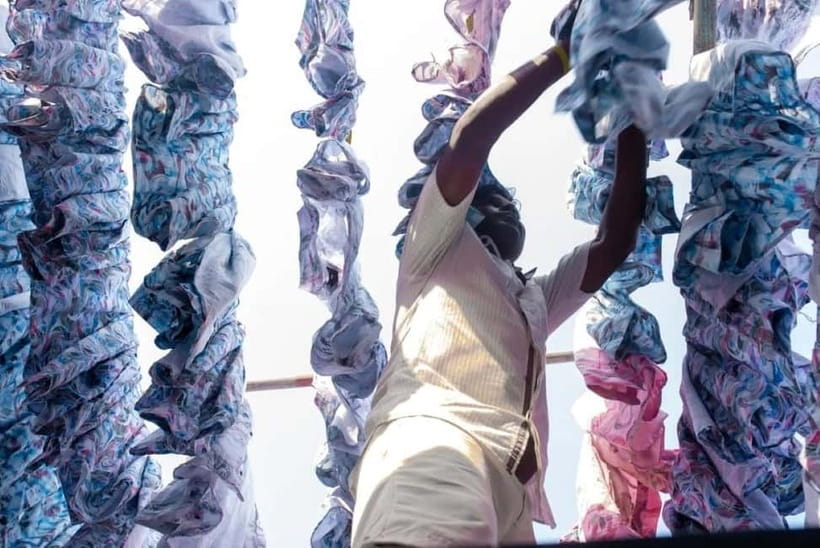
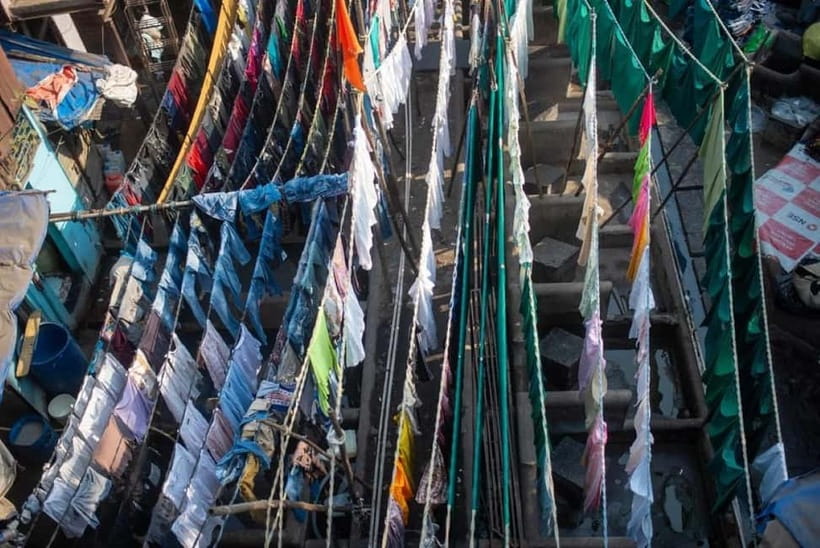
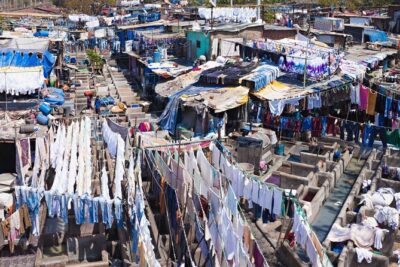
Dhobi Ghat is the headline stop for many people, and it earns it. You will visit and get a guided walk there for about 40 minutes, focused on what happens to clothes and how the work is done.
The key fact to hold onto: over 100,000 clothes are washed daily there. That number changes how you see everything. You stop thinking in terms of a few people doing laundry, and you start thinking in terms of logistics, routines, and labor.
You will likely notice how process beats perfection. The methods are traditional, but they are also tuned for volume and daily repetition. This is why the tour feels useful, not just scenic.
Photography can also be a factor. The tour notes say photography may be restricted in certain areas, so keep your camera ready but follow your guide’s instructions. The point is respect first, and the guide will help you understand where it is appropriate.
Dharavi’s industry map: leather, pottery at Kumbhar Wada, and plastic recycling
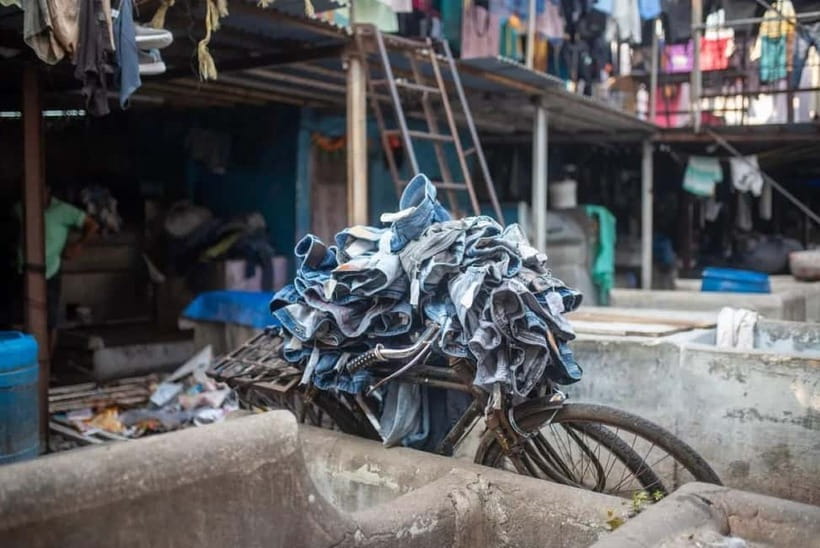
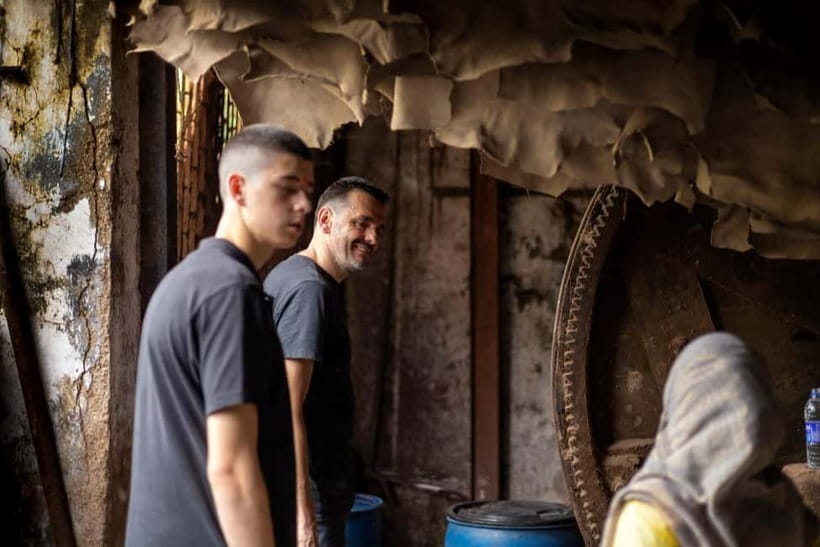
Dharavi can look confusing at first glance because it is layered. One lane might feel like homes, another like workshops, and another like a place where raw materials become finished products.
This tour frames Dharavi through specific industry themes, so you do not just wander. You will hear about Asia’s largest leather factory in Dharavi, see the pottery-making community of Kumbhar Wada, and learn about Dharavi’s plastic recycling work.
Here is why that matters for you: it turns the area into an economic story you can follow. You start connecting the dots between labor, materials, and what ends up in the wider Mumbai market.
Also, it gives you a safer way to ask questions. Instead of asking random questions about people’s lives, you can focus on how industries operate and why certain skills take hold in particular places.
Meeting the people side of Dharavi without turning it into a show
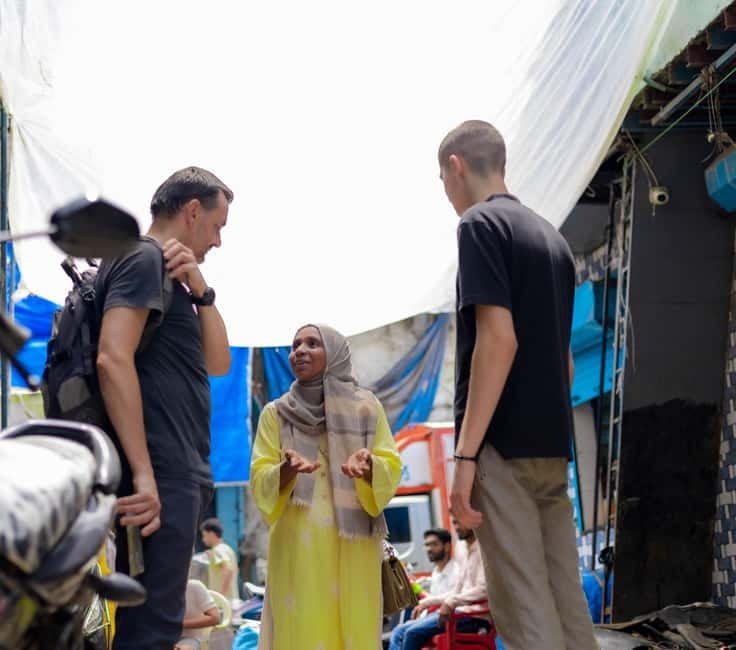
One of the most praised parts of this tour is the way guides keep the experience respectful. Names that show up repeatedly in strong reviews include Priti, Subhan, Anesh, Krishna, Ruba, Jawwad, and Kavita, and a common theme is empathy plus practical explanations.
You should expect guides to talk about daily life in a clear, grounded way. Many guides are praised for English that makes Q and A feel easy, and for staying patient when questions pile up.
A good tour here does not push you to intrude. The tour guidance explicitly asks you to dress modestly and not intrude on residents’ privacy. That is not just etiquette, it is how you get a better experience and avoid creating friction.
Walking reality check: crowded lanes, footwear, and pacing
This is not a low-effort tour. The guidance is direct: you need comfortable shoes because there will be lots of walking, and Dharavi’s lanes can be crowded and narrow.
The good news is the tour is short, 3 hours total. But short does not mean effortless. You should treat this like a focused neighborhood walk where your legs will do most of the work.
From reviews, guides often adjust pace and keep people safe in traffic and in tight spaces. Still, your job is to show up ready, drink water, and take breaks when needed.
If you are sensitive to crowd density or feel stressed in dense urban lanes, this is where you should consider whether you want to do it now or choose a different style of tour.
What to bring (and what will quietly save your tour)

Bring the basics that the tour asks for, because they match what the experience demands: comfortable walking shoes, camera, sunscreen, and water.
Sunscreen matters because Dhobi Ghat and parts of Dharavi can be exposed. Water matters because even a short walk can feel longer in heat and humidity.
A camera is useful, but remember that photography can be restricted in certain areas. You do not want to fight the situation in the moment, so listen closely when your guide explains where cameras are okay.
Smoking is listed as not allowed, so do not plan on stepping aside for a smoke break.
Value for $5: what you actually get in three hours

At about $5 per person, the value here is unusual. You are not paying for a long itinerary filled with tickets and rides you can’t replicate, you are paying for guided access and interpretation to places many people never enter.
The tour includes:
- A guided tour of Dharavi Slum
- A visit to Dhobi Ghat Laundry
- Insights into local industries and community life
- Time to see Mumbai’s traditional laundry process
Not included is also straightforward: no hotel pickup and drop-off, no food or drinks, and no personal expenses. So you should plan to meet the group on your own and carry water with you.
What makes the pricing make sense is that the biggest costs are human. Local guides, time, and safe navigation matter here. The tour also includes train time, about 15 minutes, which is not just a quick photo moment, it is actual transit.
If you want a low-cost way to connect Mumbai’s daily economy to everyday objects, like clothes, leather goods, ceramics, and recycled materials, this is one of the rare picks at this price level.
Practical reality: timing shifts can happen
In past experiences shared in reviews, one tour was rescheduled by about 30 minutes, causing minor confusion at the start. That is not a deal-breaker, but it is a reminder that city logistics can shift.
For you, the best move is simple: build a little slack into your schedule the day you go. Confirm meeting details the day before, arrive a few minutes early, and keep your expectations flexible.
Who this tour is for (and who should consider another option)
This is a strong fit if you want a real Mumbai slice that mixes labor, industry, and transport, with a local English-speaking guide leading the walk.
It also fits well if you like asking questions. Many guides are praised for answering lots of curiosities clearly and staying engaged.
The tour is not suitable for children under 5 years, pregnant women, and wheelchair users. That is because the route involves walking and crowded areas with narrow lanes, and the experience is built around being mobile.
If you have mobility concerns, this is worth weighing carefully. If you need a slower, more accessible format, you might look for a different tour style in Mumbai.
How to behave so the experience stays respectful and smooth
Dharavi is lived-in. The tour guidance is clear about respect: dress modestly and do not intrude on residents’ privacy.
Your guide will also manage photography boundaries when needed. Follow instructions and use your camera when the area allows it.
One small mindset shift helps: think of yourself as a learner, not a spectator. When you ask questions about work and processes, and not about private matters, you keep the tone constructive for everyone.
Guides in strong reviews are praised for creating a sense of safety while walking. You can support that by staying close, moving when the group moves, and not getting distracted in doorways or busy corners.
Should you book this Mumbai Dharavi and Dhobi Ghat tour?
Book it if you want a high-impact, short-format experience that connects Mumbai’s everyday essentials to real local industry. The combination of Dhobi Ghat laundry, Dharavi’s work themes like leather, pottery at Kumbhar Wada, and plastic recycling, plus a 15-minute local train ride, is a smart way to see the city’s engine in just 3 hours.
Skip it or consider a different option if you cannot handle crowded narrow lanes, or if mobility needs make walking hard for you. This tour is not built for comfort-first pacing.
If you do book, do one thing that improves everything: show up with sunscreen, water, and solid shoes, and treat photography and privacy as part of the experience, not an afterthought. That mindset is what turns a trip like this from a photo stop into a story you actually understand.
FAQ
How long is the tour?
The duration is 3 hours. You can check availability for the starting times when you reserve.
Where do I meet the guide?
The meeting point may vary depending on the option booked. Third Wave Coffee is listed as one starting location option.
What is included in the tour price?
Included are a guided tour of Dharavi Slum, a visit to Dhobi Ghat Laundry, insights into local industries and community life, and the chance to see Mumbai’s traditional laundry process.
Is food or drinks included?
No. Food and drinks are not included.
Do I ride Mumbai’s local train?
Yes. The tour includes a 15-minute ride on Mumbai’s iconic local train.
Is there an English-speaking guide?
Yes. The live tour guide is English.
What should I bring?
Bring comfortable shoes, a camera, sunscreen, and water.
Can I smoke during the tour?
No. Smoking is not allowed.
Is photography allowed everywhere?
Photography may be restricted in certain areas. Follow your guide’s instructions.
Who is this tour not suitable for?
It is not suitable for children under 5 years, pregnant women, and wheelchair users.
More Dharavi Walks with Local Guides





Mumbai, Keep Exploring





Recently reviewed across Mumbai
- Mumbai City Sightseeing Guided Tour on a Bicycle
★ 5.0 · 10 reviews - Mumbai Street Food & Beach Tour with 10+ Tastings
★ 5.0 · 10 reviews - Mumbai Market Tour & Maharashtrian Cooking Class with Chef Reshma
★ 4.5 · 10 reviews - Sailing Experience in Mumbai on Mid Size Yacht
★ 5.0 · 10 reviews - 3 Days Complete Mumbai Tour Inclusive of Bollywood Studio Experience
★ 5.0 · 10 reviews - Dharavi Slum Tour
★ 5.0 · 10 reviews
Mumbai City Tours, compared.
 ★ 4.9Full-Day Sightseeing Tour of MumbaiFrom $241,822 reviews
 ★ 5.0Group Guided Walking Tour in Fort and ColabaFrom $161,073 reviews
 ★ 4.8Elephanta Caves Half-Day Guided Tour with ExpertFrom $301,032 reviews
 ★ 5.0Highlights of Mumbai Sightseeing Tour: TRAVELLERS CHOICE AWARDEDFrom $33915 reviews
 ★ 5.0Private Guided Walking Tour in Fort & ColabaFrom $36895 reviews
 ★ 4.9Street Food and Night Markets TourFrom $13719 reviews
 ★ 4.9Dharavi Slum, DhobiGhat, and Dabbawallas TourFrom $14689 reviews
 ★ 5.0Highlights of South Mumbai Guided Private Tour in AC VehicleFrom $74620 reviews
Browse the lists this tour appears in