
REVIEW · MUMBAI CITY TOURS
Mumbai Dharavi Slum, Dhobi Ghat & Dabbawala Lunchbox Tour
Mumbai has a talent for turning everyday work into wonder. This tour links Dharavi, Dhobi Ghat, and the dabbawala meal system into one tight, human story. I especially love how you see real jobs in action, from laundry practice to meal logistics, not just facts on a page. I also like the small-group pace, which leaves room for questions and on-the-ground context.
One consideration: it’s not a sit-and-stare tour. You’ll be walking a fair bit, and it’s not suitable for wheelchair users or people with mobility impairments.
In This Review
- Key highlights you will care about
- Dharavi’s lanes and the jobs behind survival
- Dhobi Ghat: watching the open-air laundry system at work
- The dabbawala lunchbox system, explained in plain terms
- A 3.5-hour tour that moves, with time to ask questions
- Price and value: why $17 can feel like a bargain
- What you should bring, and what to leave behind
- Who this tour is best for
- Should you book this Mumbai Dharavi, Dhobi Ghat, and dabbawala tour?
- FAQ
- How long is the tour?
- What is included in the price?
- Are meals included?
- Where do the tours start and end?
- Are the tour stops in Dhobi Ghat, Dharavi, and the dabbawala system?
- What language is the tour in?
- What should I bring?
- Is the tour suitable for children or mobility needs?
- Is there a flexible booking option or cancellation policy?
Key highlights you will care about
- Dharavi work culture: watch small industries at close range and hear how people build income through daily hustle
- Dhobi Ghat open-air laundry: see a historic communal laundry system still running in the city today
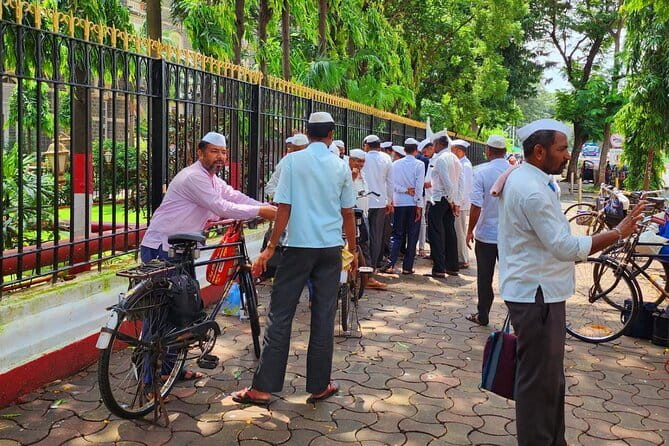
- Dabbawala meal logistics: understand how home-cooked lunches move across Mumbai with minimal tech
- Local guide connection: guides like Ravi, Subhan, Javed, Jay, and Yash are praised for clear explanations and local ties
- Short, focused time: 3.5 hours, with guided stops designed to keep momentum without feeling rushed
Mumbai, a few more routes through it
Dharavi’s lanes and the jobs behind survival
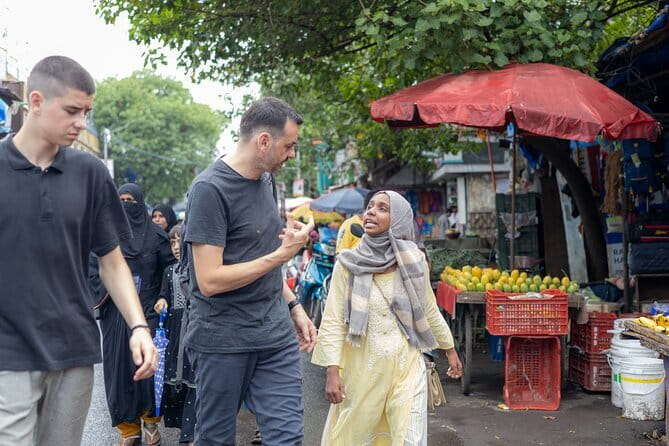
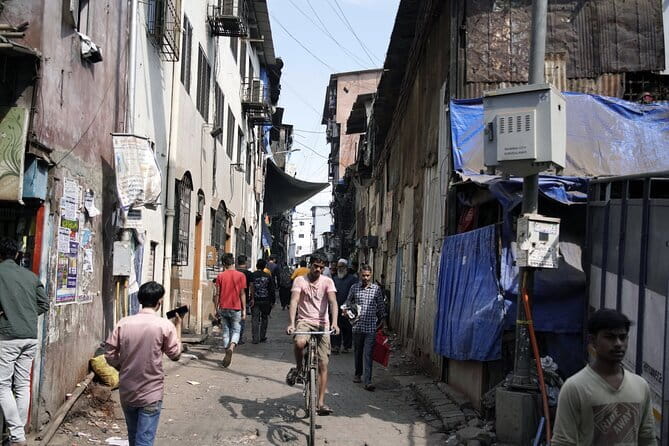
Dharavi is the kind of place where you quickly realize the word slum can be too small. You start with a guided walk through tight lanes and close-up views of daily work. The point is not shock value. It’s learning how people create livelihoods inside a dense city, with trades that keep running because they matter.
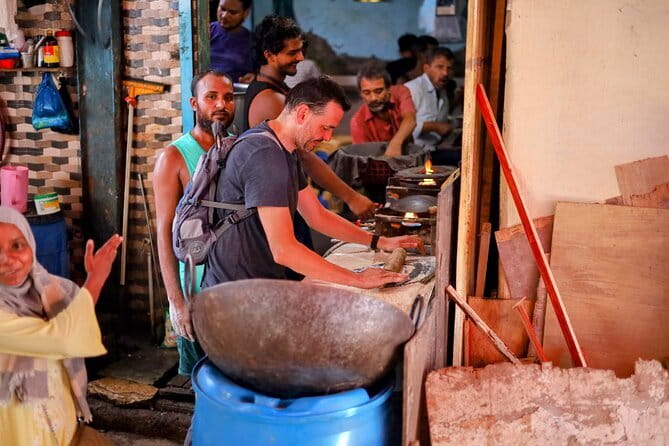
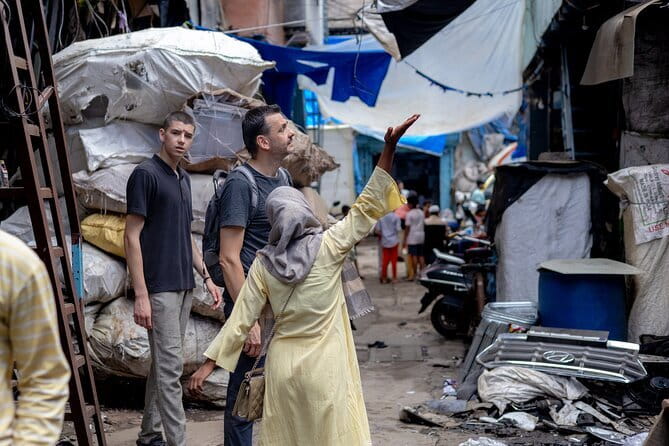
What you’ll likely notice first is how organized daily life can feel at street level. Workshops and small businesses operate in spaces that seem far too small for big production, and yet work happens. You may see industry themes like recycling, pottery, textiles, and leather goods. Even if you only catch a glimpse, the pattern is consistent: people are constantly solving problems, often with basic tools and a lot of skill.
I like that the tour reframes the visit around entrepreneurship and practical creativity. When your guide shares stories of residents who live and work there, you get context for why certain things look the way they do, why specific trades persist, and how community life shapes business decisions.
Possible drawback here is emotional. Dharavi can feel intense, especially if you’re expecting a neat, tourist-friendly “attraction.” Bring a mindset of respect and curiosity. If you go in comparing it to an idealized version of life, you’ll likely miss what’s actually happening.
Dhobi Ghat: watching the open-air laundry system at work
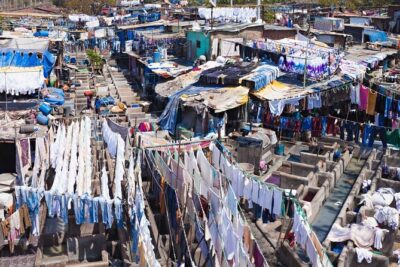
Next comes Dhobi Ghat, one of Mumbai’s best-known historic laundry grounds. This part is fascinating because it’s not a museum. You’re looking at an operating system: hundreds of dhobis (washermen) working in open air, washing, scrubbing, and hanging clothes to dry.
The scale can hit you fast. You might expect chaos, but the process has rhythm. Your guide helps connect what you’re seeing with how laundry work really flows in this communal setup. You learn why the layout matters, how tasks get done efficiently in public view, and why this tradition has survived Mumbai’s rapid modernization.
I like Dhobi Ghat because it’s practical sightseeing. There’s movement everywhere, and it’s easy to understand what’s going on even if your Hindi is limited. You can also take photos, but remember this is real work, not staged scenes. Keep your distance, ask if you want a closer shot, and treat people like professionals.
One consideration: sun and heat. Dhobi Ghat is outdoors. The tour info asks you to bring a hat and sunscreen, and I agree. Also bring water. If you start the day tired or dehydrated, open-air sightseeing becomes exhausting.
The dabbawala lunchbox system, explained in plain terms
Then you shift from laundry and industry to one of Mumbai’s quiet miracles: the dabbawala lunchbox delivery system. This is the stop that helps you see Mumbai as a logistics city, not just a culture city.
What makes it so compelling is the mindset. Thousands of home-cooked meals get delivered across Mumbai every day, and the system is known for accuracy and efficiency despite minimal technology. Your guide explains how dabbawalas sort meals, handle transport, and deliver lunches reliably.
You also learn the larger impact on food culture. It’s not only about delivery. It’s about daily routine, dignity, and trust. The system works because people follow procedures and because the network depends on relationships and repeat routes.
If you’re the kind of person who loves how things work, you’ll enjoy this part. Even without technical jargon, it explains why rules matter when you scale. You may also get a bit of history, which helps connect today’s operation to why the system became famous in the first place.
One practical note: this portion tends to be more informational than visual. You’ll still see the ideas in motion through guide explanations, but it’s not the same photo opportunities as Dhobi Ghat. Come ready to listen.
Other Dharavi walks, guides named
- Mumbai: Dharavi Slum, DhobiGhat, and Dabbawallas Tour★ 4.9 · 689 reviews
- Dharavi Slum Tour★ 5.0 · 625 reviews
- Dharavi Slum tour in Mumbai by local resident★ 5.0 · 572 reviews
- Mumbai: Dharavi Slum Slumdog Millionaire Tour with a Local★ 4.9 · 529 reviews
- Mumbai Slum Tour – Visit Dharavi Slum with Local Guide★ 5.0 · 509 reviews
A 3.5-hour tour that moves, with time to ask questions
This is a 3.5-hour experience, built around three different settings. That duration is a sweet spot. Long enough to understand each area, short enough that you’re not mentally drained before you finish.
Expect walking. Multiple guides in the feedback are praised for pacing and for making sure you have enough time at each section. The tour is also described as not rushed, which matters when you’re processing environments that feel unfamiliar. Still, it’s not a lightweight stroll. Wear comfortable shoes.
You’ll also want to plan for weather. Mumbai conditions can change fast. The tour asks for a hat and sunscreen, and I recommend treating that as a must, not a suggestion.
Group size is another factor. This is a small-group tour, which usually means you’re more able to ask questions and get answers tailored to what you notice. It also tends to keep you from feeling like a moving crowd.
Meeting points can vary by option, but Burger King is one listed starting spot. The drop-off includes Third Wave Coffee. Don’t treat those as fixed if your booking option differs, but it’s helpful to know these recognizable anchors.
Price and value: why $17 can feel like a bargain

At $17 per person, the value comes from three things: a local guide, guided neighborhood walking, and local transport included. You’re not just paying for entry to sights. You’re paying for interpretation, for someone who can explain what you’re seeing in context, and for help navigating areas that are very much part of everyday Mumbai life.
It also helps that this is a small group. With fewer people per guide, your questions can land. That is worth money, because many tours at similar prices just broadcast information.
What is not included matters for your planning. Meals and drinks are not included, so budget for water and whatever snack you need. Also, transportation to the meeting point is not included. If you’re coming in from far away, plan your own way there.
A smart move: bring your own water bottle even though you’ll get reminders to stay hydrated. The open-air parts and the walking add up. If you feel your energy dropping, you’ll get less from the explanations.
What you should bring, and what to leave behind
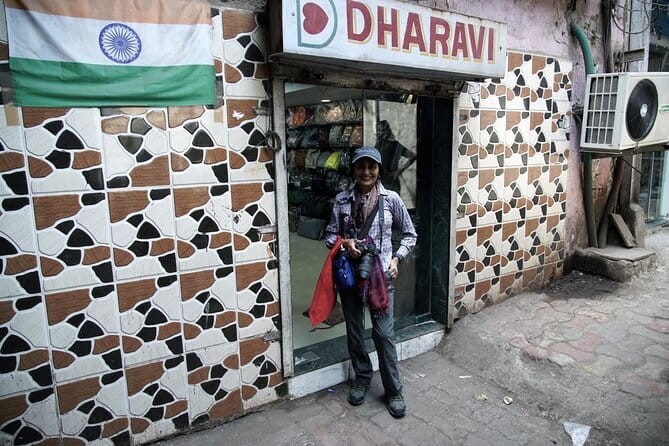
Bring:
- Comfortable shoes for walking
- A hat for sun protection
- Sunscreen
- A water bottle
- A camera if you want photos
Leave behind:
- Smoking, alcohol, and drugs are not allowed
- Littering is not allowed
This kind of rule list sounds basic, but it’s actually what keeps the visit respectful. You’re walking through working spaces where people live and earn income. Basic etiquette goes a long way.
Who this tour is best for
This tour is for you if:
- You like real-world urban stories, not only monuments
- You enjoy guides who explain systems and daily work
- You’re curious about how people solve problems with practical skills
It might not be for you if:
- You use a wheelchair or need mobility support, since it’s not suitable for wheelchair users
- You’re traveling with children under 5, since it’s not suitable for that age group
It’s also not ideal if you get overwhelmed by intense environments or long walking segments. You can absolutely prepare for that by wearing good shoes, carrying water, and going in with respect.
Should you book this Mumbai Dharavi, Dhobi Ghat, and dabbawala tour?
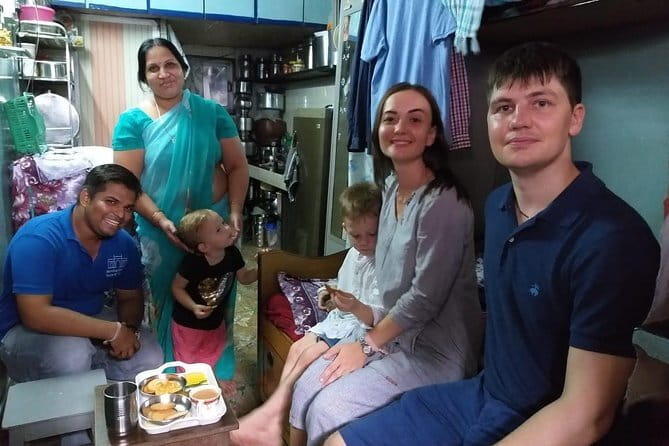
If you want a Mumbai tour that teaches you how the city works at ground level, I think this is a strong pick. The best reason to book is the combination. Dharavi gives you industry and community economics. Dhobi Ghat gives you a historic working tradition you can actually see. The dabbawala system gives you a logistics story that connects food culture to daily precision.
My advice: book it if you can handle walking and heat, and if you’ll approach with curiosity and respect. If you’re looking for a relaxed, photo-only afternoon, you might feel the pace more than you expected.
FAQ
How long is the tour?
The tour duration is 3.5 hours.
What is included in the price?
The tour includes a local guide, walking tour, engagement with locals, small group size, and local transport. Guide fees are also included.
Are meals included?
No. Meals and drinks are not included.
Where do the tours start and end?
Meeting point details can vary by the option you book. One listed starting spot is Burger King. Drop-off includes Third Wave Coffee.
Are the tour stops in Dhobi Ghat, Dharavi, and the dabbawala system?
Yes. The tour visits Dhobi Ghat laundry, Dharavi, and explores the dabbawala meal delivery system.
What language is the tour in?
The live tour guide provides the tour in English.
What should I bring?
Bring comfortable shoes, a hat, a camera, sunscreen, and water.
Is the tour suitable for children or mobility needs?
It is not suitable for children under 5, people with mobility impairments, or wheelchair users.
Is there a flexible booking option or cancellation policy?
Yes. It offers reserve now & pay later, and free cancellation up to 24 hours in advance for a full refund.
More Dharavi Walks with Local Guides





Mumbai, Keep Exploring





Recently reviewed across Mumbai
- Mumbai City Sightseeing Guided Tour on a Bicycle
★ 5.0 · 10 reviews - Mumbai Street Food & Beach Tour with 10+ Tastings
★ 5.0 · 10 reviews - Mumbai Market Tour & Maharashtrian Cooking Class with Chef Reshma
★ 4.5 · 10 reviews - Sailing Experience in Mumbai on Mid Size Yacht
★ 5.0 · 10 reviews - 3 Days Complete Mumbai Tour Inclusive of Bollywood Studio Experience
★ 5.0 · 10 reviews - Dharavi Slum Tour
★ 5.0 · 10 reviews
Mumbai City Tours, compared.
 ★ 4.9Full-Day Sightseeing Tour of MumbaiFrom $241,822 reviews
 ★ 5.0Group Guided Walking Tour in Fort and ColabaFrom $161,073 reviews
 ★ 4.8Elephanta Caves Half-Day Guided Tour with ExpertFrom $301,032 reviews
 ★ 5.0Highlights of Mumbai Sightseeing Tour: TRAVELLERS CHOICE AWARDEDFrom $33915 reviews
 ★ 5.0Private Guided Walking Tour in Fort & ColabaFrom $36895 reviews
 ★ 4.9Street Food and Night Markets TourFrom $13719 reviews
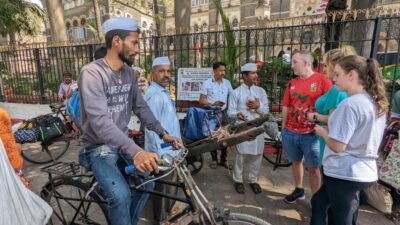 ★ 4.9Dharavi Slum, DhobiGhat, and Dabbawallas TourFrom $14689 reviews
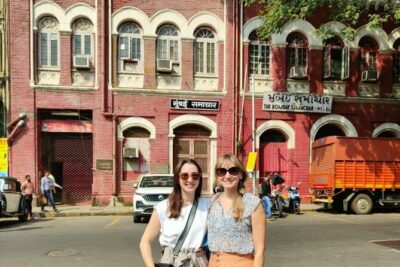 ★ 5.0Highlights of South Mumbai Guided Private Tour in AC VehicleFrom $74620 reviews
Browse the lists this tour appears in