
REVIEW · MUMBAI CITY TOURS
Mumbai: Dharavi Slum Guided Walking Tour by 1st Female Guide
A walking tour that rewires Mumbai stereotypes. You get the commercial side and the day-to-day local female guide perspective, plus the option for a simple vegetarian lunch. One thing to factor in, this is a real walking route, with long stretches on foot, so wear sturdy shoes and plan for tight spaces.
I like how this tour does the tough job of challenging quick assumptions. You’re guided by a woman who’s also studying at university, and your ticket supports her and other female students, not just a photo stop. You should also expect a sensitive neighborhood, so go in calm and respectful.
You’ll move from work areas to residential lanes, including time with people involved in traditional clay and earthen pot making. And you’ll have the comfort details you actually need, bottled water in hand and English support throughout, plus camera time where it fits the moment.
In This Review
- Key points to know before you go
- A Dharavi tour built around work, homes, and people
- Your guide, and why the education support matters
- Dhobi Ghat and the setup before walking Dharavi
- Commercial Dharavi: recycling, leather, and clothing production you can see
- Residential lanes: learning lifestyle through everyday routines
- Dhobi Ghat to Dharavi, and the reality of moving on foot
- Lunch at a local home: simple, hygienic, and conversation-focused
- Who this tour is best for (and who should skip it)
- Value: why $6 can be a smart buy here
- Practical tips so your tour feels respectful and easy
- Should you book this Dharavi walking tour with a female guide?
- FAQ
- How long is the Dharavi guided walking tour?
- What is the price per person?
- What areas of Dharavi will I visit?
- Will I have lunch during the tour?
- Do I need to pay extra for pickup and drop-off?
- Is the tour guide available in English?
- What is included in the tour price?
- What is not included?
- What rules should I follow during the tour?
- Is the tour accessible for wheelchair users or very elderly guests?
Key points to know before you go
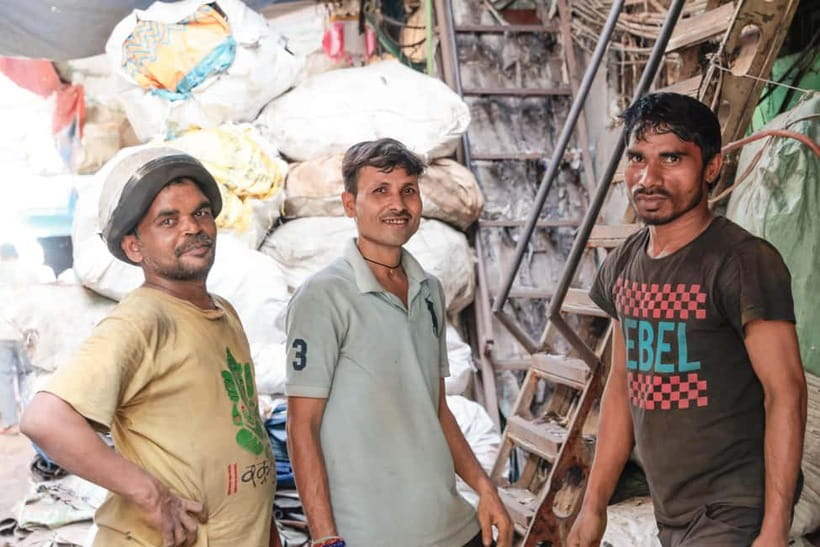
- Commercial Dharavi, up close: you’ll see plastic and paper recycling, leather work, clothing manufacturing, and other small industries in action.
- Residential life, not just headlines: you’ll walk through the living areas and learn how people actually manage daily life.
- The earthen pot and clay crafts area: you’ll visit the oldest community tied to making clay items and earthen pots.
- A local home vegetarian lunch option: you can eat simply and hygienically, then chat with a family for context.
- Female education support built into the tour: your guide is a university student from the community, and your participation helps.
- English guidance that answers real questions: guides such as Sneha, Anu, and Pooja are highlighted for clear explanations and responsive Q and A.
Mumbai, a few more routes through it
A Dharavi tour built around work, homes, and people
Dharavi can feel like a blur from the outside, mostly because people talk about it in extremes. This tour steers you toward something steadier: what people do for work, where they live, and how community ties hold daily life together.
I like that you’re not dropped into a single angle. You move through the commercial areas first, where industries are stitched into everyday routines. Then you shift toward residential streets so you can see how families shape their time, space, and culture. It’s the kind of pacing that helps you understand Dharavi as a functioning place, not a headline.
And because your guide is a woman from the area who is also studying, the story comes with intent. You’re not just collecting facts, you’re learning how residents want the neighborhood understood, including the parts that are easy for outsiders to misunderstand.
Your guide, and why the education support matters
The tour is led by a local female guide, described as a university student from the slum. That detail changes the whole tone. You’re talking with someone who is navigating the same streets and realities as their neighbors, but also building a path through education.
That’s part of the value you’re paying for. At $6 per person, this is not priced like a luxury experience or a long, high-cost production. The “why” is simple: the tour supports education for local female students while giving you a guided view that feels human, not staged.
In practice, the guides highlighted here, including Sneha, Anu, and Pooja, are praised for speaking English clearly and answering questions directly. I think that matters most on a neighborhood tour, because you’ll likely want to ask about daily work, family life, and what stereotypes get wrong.
Dhobi Ghat and the setup before walking Dharavi
Your day starts with a visit to Dhobi Ghat, then a transfer of about 30 minutes to Dharavi. That pre-stop is useful. It gives you a chance to step into the rhythm of Mumbai life before you move into the tighter streets where you’ll be walking for much of the experience.
Even if you’ve studied Mumbai on maps, this is where you start learning the real layout of the city, in a practical way. You get oriented, you meet your guide (at a designated meeting point that can vary), and you settle into the pace of walking tours.
If you choose hotel pickup, you’ll ride in an air-conditioned car to the pickup and drop-off area points. If you don’t, you’ll head to the meeting point yourself, so plan to arrive a bit early. The tour also notes a separate entrance to help you skip the line, which can save time and energy once you’re ready to start.
Other Dharavi walks, guides named
- Mumbai: Dharavi Slum, DhobiGhat, and Dabbawallas Tour★ 4.9 · 689 reviews
- Dharavi Slum Tour★ 5.0 · 625 reviews
- Dharavi Slum tour in Mumbai by local resident★ 5.0 · 572 reviews
- Mumbai: Dharavi Slum Slumdog Millionaire Tour with a Local★ 4.9 · 529 reviews
- Mumbai Slum Tour – Visit Dharavi Slum with Local Guide★ 5.0 · 509 reviews
Commercial Dharavi: recycling, leather, and clothing production you can see
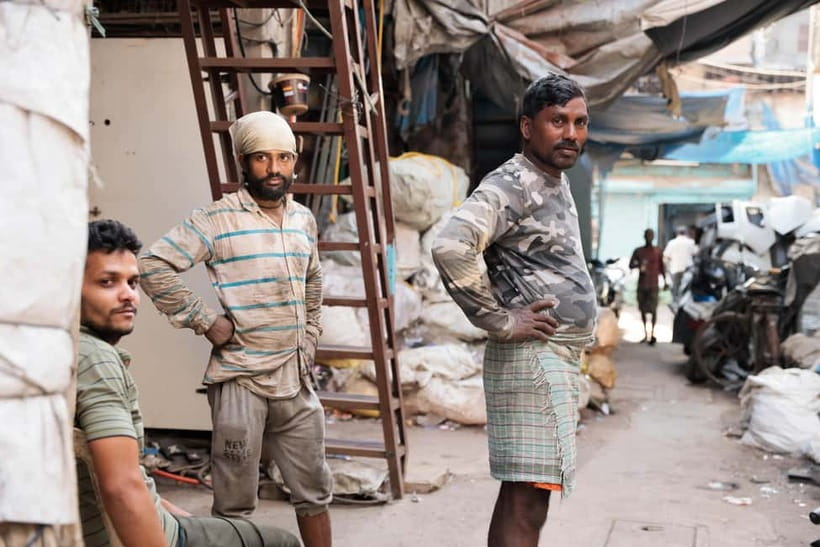
The heart of the tour is the walk through Dharavi’s commercial side. This is where you’ll spend about two hours during the main guided walking portion.
The tour highlights specific industries you’ll encounter in action, including:
- plastic and paper recycling
- leather production
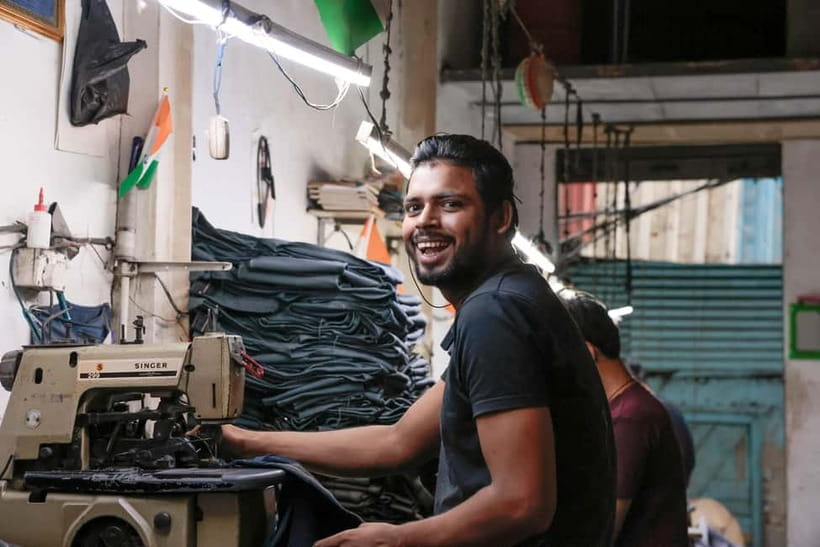
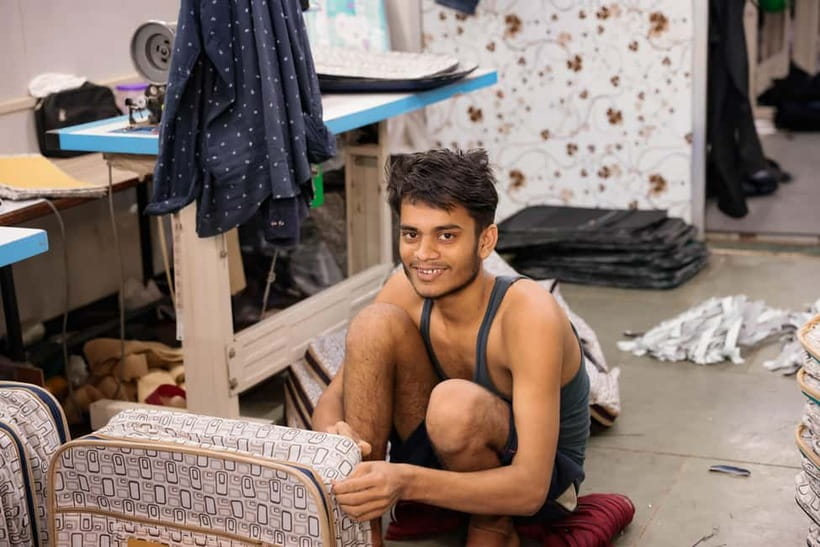
- clothing manufacturing
- and other small-scale work tied to daily production
What I like about seeing these industries in person is that it breaks the “mystery” outsiders often attach to informal economies. You’re not hearing theories. You’re walking alongside the work processes and the spaces where people do them.
A practical tip: this part of the tour is where your questions will matter most. If something looks unfamiliar, ask how it’s done and who works where. Guides here are described as respectful and sensitive with explanations, and that tone helps you ask without feeling like you’re prying.
You’ll also learn how industries shape schedules. Even if you only catch a slice of daily work, you start to see the logic behind production flow, materials, and why certain jobs cluster together in the neighborhood. Dharavi becomes less of a “place to look at” and more of a place with systems.
Residential lanes: learning lifestyle through everyday routines
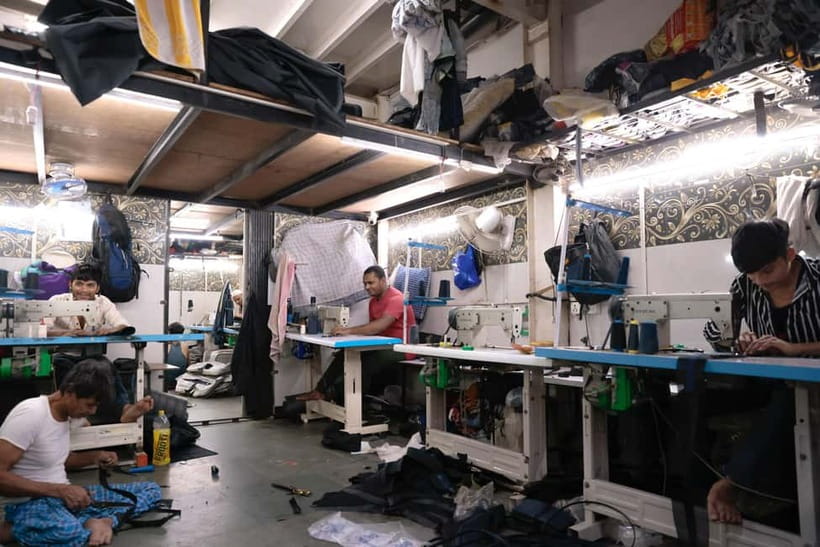
After the commercial walk, the tour shifts to residential areas. This is where Dharavi stops being an industrial label and becomes a set of lived-in homes.
You’ll learn about local lifestyle, and the guides are careful about how this is framed. The goal is to challenge stereotypes, and that’s usually easiest once you’ve had even a short walk through the residential side. You can notice how space gets used, how routines run, and how community support shows up in small ways.
One extra detail that stands out in this tour: you’ll visit the oldest community known for crafting earthen pots and clay items. That stop is more than a cultural checkbox. It gives you a tangible connection to tradition, showing that Dharavi is not only about current industries. It includes craft skills and long-running cultural knowledge too.
When you’re in residential areas, keep your camera ready but not glued to your hands. The tour notes you should be respectful of the local community, and your best photos tend to happen when you ask first or when the guide indicates it’s appropriate.
Dhobi Ghat to Dharavi, and the reality of moving on foot
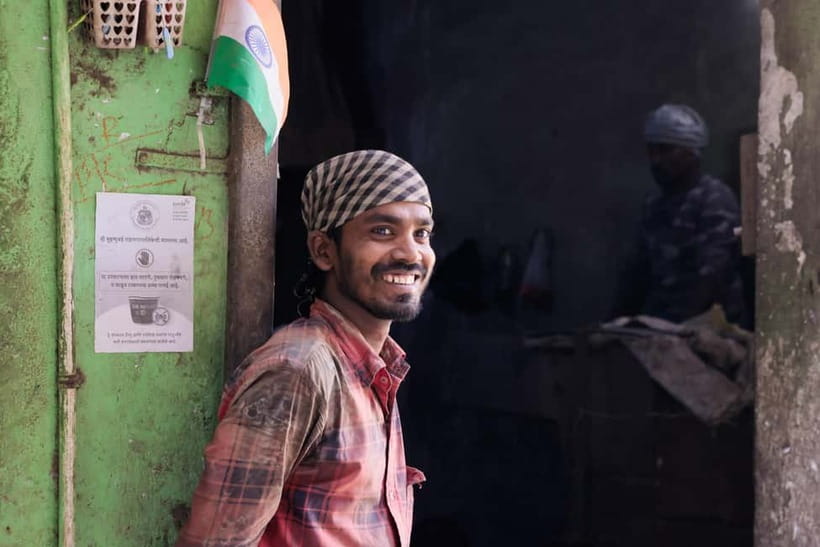
The tour is listed as lasting 2 to 4 hours, with the guided walking portion around two hours. That range matters because you may also include time for transfer, visits, and the lunch option.
Walking through Dharavi is not the “see everything at a relaxed pace” type of sightseeing. You’ll want comfortable shoes, and you’ll likely cover ground through tight areas. Reviews and tour guidance also point out that guides may lead you through narrow alleys, so plan accordingly.
Also note the simple rules that keep things smooth:
- no smoking
- no see-through clothing
- be respectful of the community
- bring a camera if you want photos
These rules aren’t there to be dramatic. They help the tour protect both your experience and residents’ comfort. If you dress comfortably but modestly and move with care, it’s usually easier to keep the mood respectful and calm.
Lunch at a local home: simple, hygienic, and conversation-focused
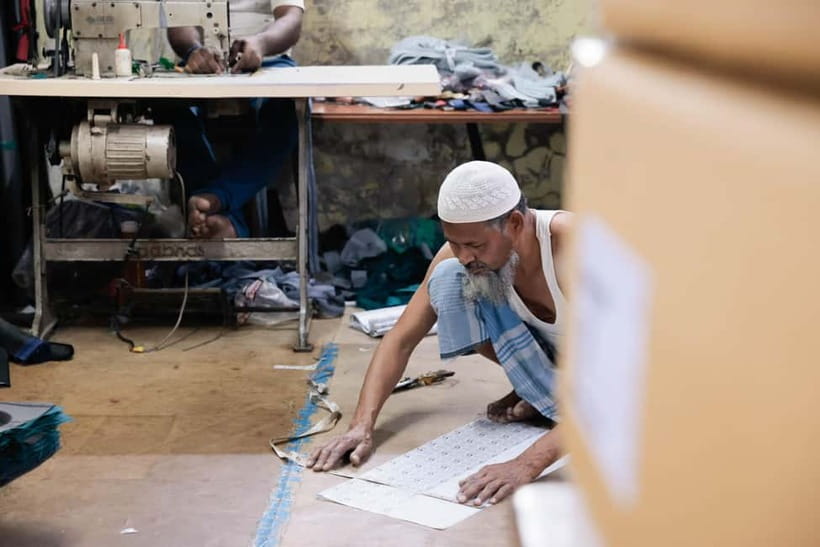
One of the most memorable parts for many people is the option to enjoy lunch at a local home. The tour describes this as a simple, hygienic vegetarian lunch, with a chance to interact with the family.
I like lunch on tours like this because it forces the experience to be more than visuals. When you eat, you slow down. You get to ask questions that are less about logistics and more about daily life. You also learn what “normal” tastes like, not what outsiders think it should taste like.
A heads-up for expectations: this isn’t a buffet stop. It’s described as simple. That’s a good thing if you want authenticity. You’re there for a window into how a family prepares food and how hospitality works in a neighborhood context.
If you go, keep your curiosity focused on everyday routines and family life. Avoid turning the meal into a rapid interview. A good guide will set the tone, and the conversation usually lands where residents are comfortable.
Who this tour is best for (and who should skip it)
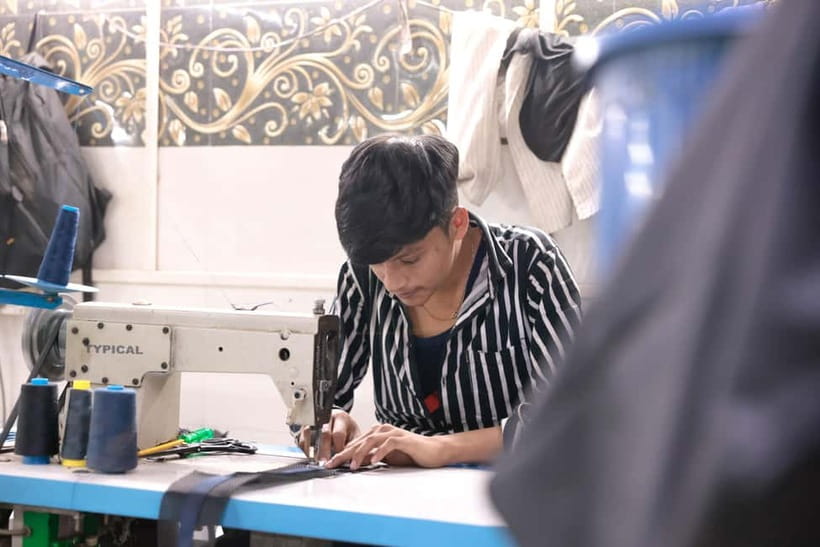
This tour fits well if you want an authentic side of Mumbai and you’re ready to look beyond stereotypes. It’s especially strong for people who enjoy asking questions and learning how industries and neighborhoods actually function.
It also helps if you’re comfortable walking and you like guided explanations in English. The tour is listed as English language guided, and several guide names are associated with clear, understandable English in feedback.
On the other hand, the tour is not suitable for:
- wheelchair users
- people over 95 years
So if mobility is an issue, you’ll want to look for a different format. This walking experience is designed around moving through dense areas.
Value: why $6 can be a smart buy here
At $6 per person, this is priced as an accessible neighborhood experience. On paper, that sounds almost too low. In real value terms, the ticket covers a local guide, guided time, visits across commercial and residential areas, and bottled water, with an optional home lunch.
What you’re really paying for is:
- guided context you would not get on your own
- access to both work areas and residential life
- education support for local female students through the guide’s university path
- the human credibility of hearing from someone inside the community
The value becomes clear when you consider what you’d otherwise need to figure out yourself: safe movement, respectful interaction, and the right narrative to replace common misconceptions. A well-paced local guide does that work for you.
Practical tips so your tour feels respectful and easy
Here’s how you can set yourself up for a smooth experience.
Wear comfortable shoes you can walk in for hours. This is not a short stroll between landmarks. Bring your camera, and use it with care in residential areas.
Dress modestly. The tour notes no see-through clothing, and the idea is to keep things respectful. Keep water in mind too. Bottled mineral water is included, but you’ll still feel better if you sip along the way.
Finally, bring patience for the pace. This is a real neighborhood with real people. If you let the guide lead and don’t rush for photos, you’ll get more out of every stop.
Should you book this Dharavi walking tour with a female guide?
I’d book this tour if you want more than an outside glance. It’s a strong choice if you care about how communities work, how local industries support livelihoods, and how tradition continues alongside modern production.
I’d skip it only if walking is difficult for you, or if you’re not comfortable with a neighborhood setting that can feel intense or personal. This is not about shock value. It’s about understanding, and it asks for a respectful attitude.
If you do book, I’d choose it for the guide-led perspective and the education support. Names you may encounter, like Sneha, Anu, and Pooja, are tied to clear English and thoughtful explanations. And the optional vegetarian lunch at a local home can turn a guided walk into something you’ll remember for the right reasons.
FAQ
How long is the Dharavi guided walking tour?
The tour duration is listed as 2 to 4 hours, with the guided walking portion described as about 2 hours.
What is the price per person?
The price is listed at $6 per person.
What areas of Dharavi will I visit?
You’ll visit both the commercial side, including industries like plastic and paper recycling, leather production, and clothing manufacturing, and the residential area, including a community known for earthen pots and clay items. There is also a visit to Dhobi Ghat earlier in the experience.
Will I have lunch during the tour?
There is an option for a simple, hygienic vegetarian lunch at a local home. The lunch is not required, but it’s available as part of the experience.
Do I need to pay extra for pickup and drop-off?
Hotel pickup and drop-off are optional and listed as extra cost. If you choose no pickup, you will use the meeting point shown for your selected option.
Is the tour guide available in English?
Yes. The tour includes a live guide in English.
What is included in the tour price?
Included items are the 2-hour walking tour, the local female guide, bottled mineral water, visits to commercial and residential areas, and the option for vegetarian lunch at a local home.
What is not included?
Hotel pickup and drop-off are not included, unless you add the optional extra-cost pickup service.
What rules should I follow during the tour?
Smoking is not allowed. You should also avoid see-through clothing. The tour guidance also asks you to be respectful of the local community.
Is the tour accessible for wheelchair users or very elderly guests?
The tour is listed as not suitable for wheelchair users. It is also listed as not suitable for people over 95 years.
More Dharavi Walks with Local Guides





Mumbai, Keep Exploring





Recently reviewed across Mumbai
- Mumbai City Sightseeing Guided Tour on a Bicycle
★ 5.0 · 10 reviews - Mumbai Street Food & Beach Tour with 10+ Tastings
★ 5.0 · 10 reviews - Mumbai Market Tour & Maharashtrian Cooking Class with Chef Reshma
★ 4.5 · 10 reviews - Sailing Experience in Mumbai on Mid Size Yacht
★ 5.0 · 10 reviews - 3 Days Complete Mumbai Tour Inclusive of Bollywood Studio Experience
★ 5.0 · 10 reviews - Dharavi Slum Tour
★ 5.0 · 10 reviews
Mumbai City Tours, compared.
 ★ 4.9Full-Day Sightseeing Tour of MumbaiFrom $241,822 reviews
 ★ 5.0Group Guided Walking Tour in Fort and ColabaFrom $161,073 reviews
 ★ 4.8Elephanta Caves Half-Day Guided Tour with ExpertFrom $301,032 reviews
 ★ 5.0Highlights of Mumbai Sightseeing Tour: TRAVELLERS CHOICE AWARDEDFrom $33915 reviews
 ★ 5.0Private Guided Walking Tour in Fort & ColabaFrom $36895 reviews
 ★ 4.9Street Food and Night Markets TourFrom $13719 reviews
 ★ 4.9Dharavi Slum, DhobiGhat, and Dabbawallas TourFrom $14689 reviews
 ★ 5.0Highlights of South Mumbai Guided Private Tour in AC VehicleFrom $74620 reviews
Browse the lists this tour appears in