
REVIEW · MUMBAI CITY TOURS
Mumbai: Dharavi Slum Tour with Dhobi Ghat (Open-Air Laundry)
Laundry, markets, and work in Mumbai.
This small-group style tour connects Dharavi and Dhobi Ghat, so you see how people turn scrap into livelihoods and then watch clothes handled by hand in India’s famous open-air laundry.
I especially like the way it stays practical, focusing on jobs, industries, and everyday problem-solving instead of turning hardship into a show. I also like the human scale, because guides such as Pooja, Anushka, and Varsha explain what you’re seeing and answer questions as you walk.
One thing to plan for: you’re on foot through narrow lanes, and access at the laundry is from a viewing deck, so it’s not the same as being fully down inside the working area.
In This Review
- Key things that make this tour worth your time
- Meeting Third Wave Coffee and walking into Dharavi the right way
- Dharavi lanes and industries: how the neighborhood fuels Mumbai
- Recycling practices you can see up close, and what to watch for
- Markets and crafts: spotting textiles and handicrafts with context
- Dhobi Ghat from the viewing deck: the open-air laundry system at work
- Your guide matters: how Pooja, Anushka, Varsha, and others change the day
- Walking logistics: shoes, water, rain or shine, and limited restrooms
- Photography and dignity: how to handle your camera respectfully
- Price and value: why under $5 still feels like a full experience
- Who should book this tour, and who should reconsider
- Should you book? A clear yes, with smart expectations
- FAQ
- How long is the Dharavi Slum Tour with Dhobi Ghat?
- Where do I meet my guide?
- What’s included in the price?
- Is hotel pickup or drop-off included?
- Are meals and drinks included?
- Is photography allowed?
- What should I bring?
- What items are not allowed?
- Is the tour wheelchair accessible?
Key things that make this tour worth your time
- Waste-to-work recycling you can actually see in action, not just hear about
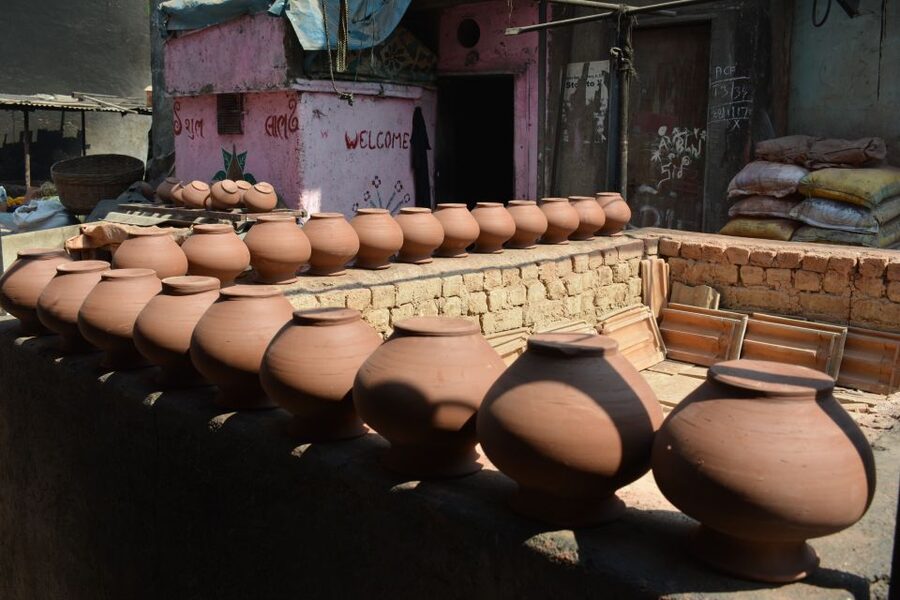
- Hand skills and small industries like textiles, leatherwork, and pottery getting explained clearly
- Market time for handicrafts and textiles, with context for what you’re looking at
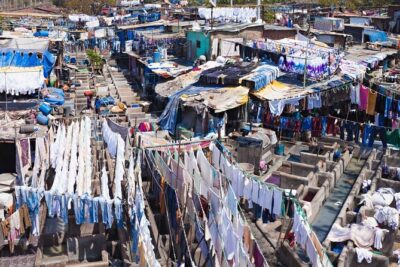
- Dhobi Ghat by the viewing deck, where you watch clothes washed, dried, ironed, and sorted by hand
- Guides who steer with care, including practical tips on when photography is appropriate
Mumbai, a few more routes through it
Meeting Third Wave Coffee and walking into Dharavi the right way
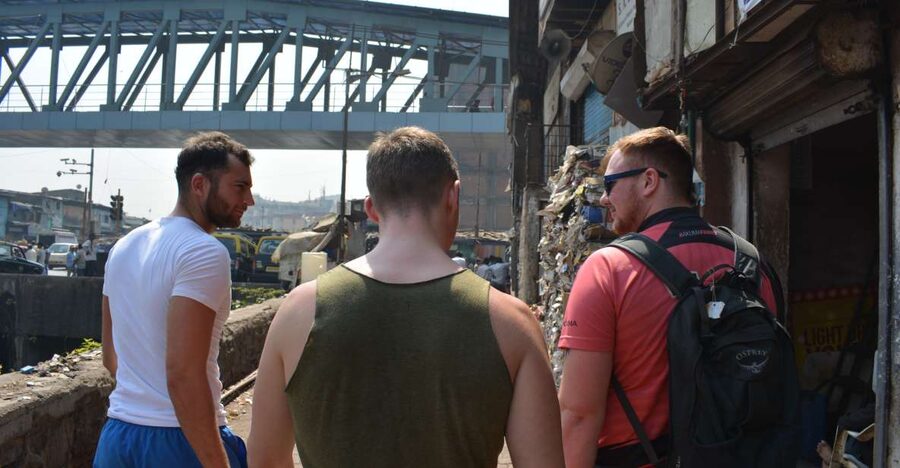
Your tour starts outside Third Wave Coffee, with the guide meeting you before you head into the neighborhood. Plan to arrive about 15 minutes early so you can get gear checked and settle before the walking begins.
Before you go, keep your day simple. Bring comfortable shoes and a hat, and set yourself up to move steadily because parts of Dharavi involve tight lanes and busy streets.
Also, remember this is people’s home and workplace. Photography is allowed, but your guide will set the tone on when to take photos and when to keep your camera down.
Dharavi lanes and industries: how the neighborhood fuels Mumbai
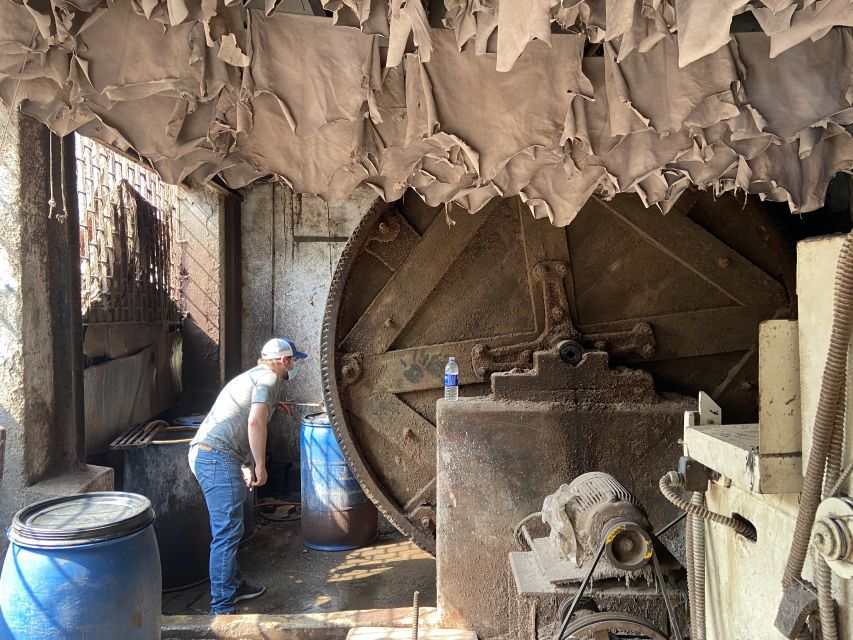
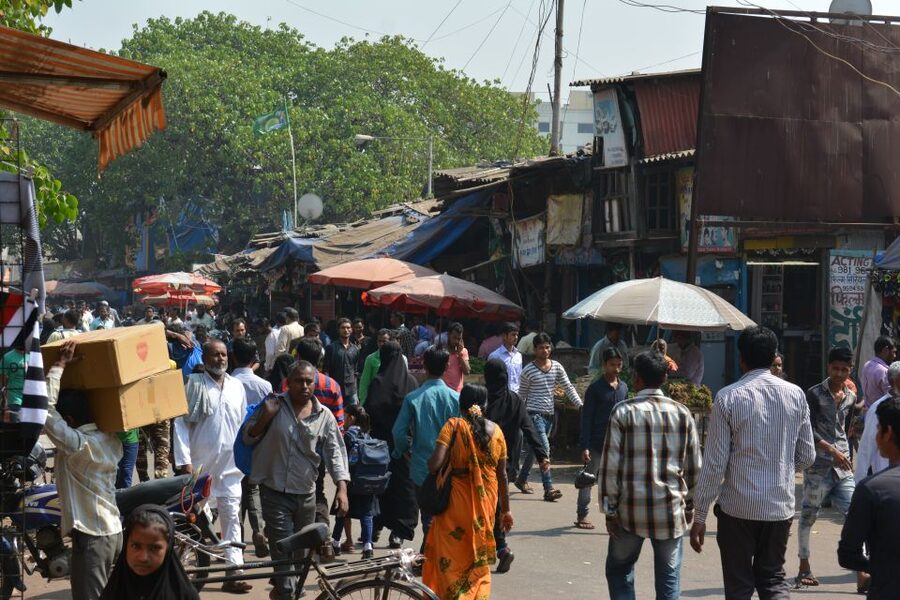
In Dharavi, you’ll walk through streets where thousands of people make their living through small-scale industries and skilled hands. The tour is designed to show you how the neighborhood contributes to Mumbai’s economy through work like pottery, leatherwork, recycling, and bakery units, along with other crafts.
What I like most here is the framing. Instead of treating Dharavi as a single story, the walk shows how different trades connect, how materials are reused, and how people organize their work to earn day-to-day.
You’ll also get the sense of resilience without needing a dramatic speech. It comes through in what’s being made, what’s being repaired, and how quickly the pace shifts from one workshop to another.
Recycling practices you can see up close, and what to watch for
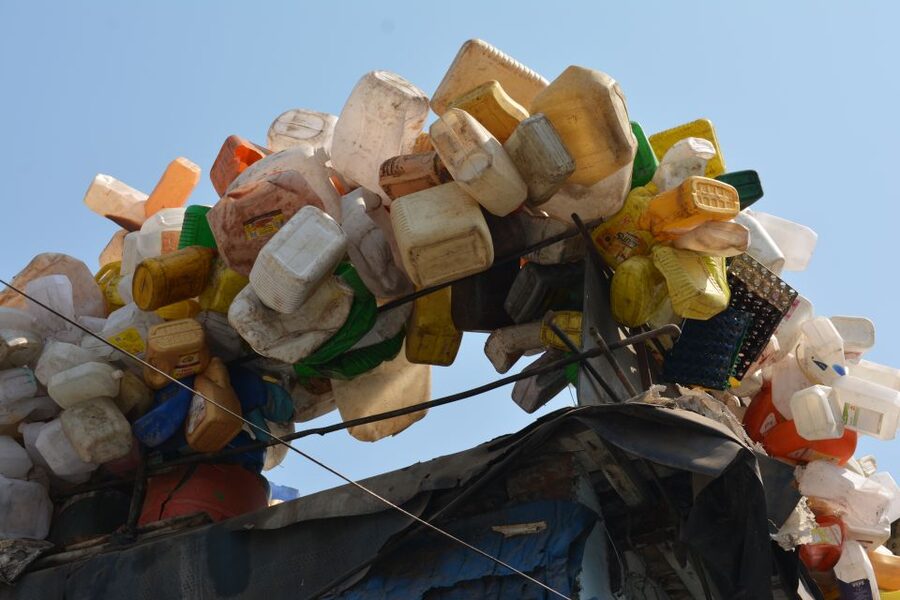
Recycling is one of the strongest parts of this experience. You’ll witness how waste materials get turned into something useful again, and you’ll see the logic behind it, not just the final product.
When you’re watching, pay attention to three things:
- how materials move from one step to the next
- how workers handle and sort items by type
- how finished goods link back to markets and customers later
That’s the real takeaway. Recycling isn’t only a sustainability story here, it’s a business model. Seeing it in motion helps you understand why so many people can earn income even when resources are limited.
Other Dharavi walks, guides named
- Mumbai: Dharavi Slum, DhobiGhat, and Dabbawallas Tour★ 4.9 · 689 reviews
- Dharavi Slum Tour★ 5.0 · 625 reviews
- Dharavi Slum tour in Mumbai by local resident★ 5.0 · 572 reviews
- Mumbai: Dharavi Slum Slumdog Millionaire Tour with a Local★ 4.9 · 529 reviews
- Mumbai Slum Tour – Visit Dharavi Slum with Local Guide★ 5.0 · 509 reviews
Markets and crafts: spotting textiles and handicrafts with context
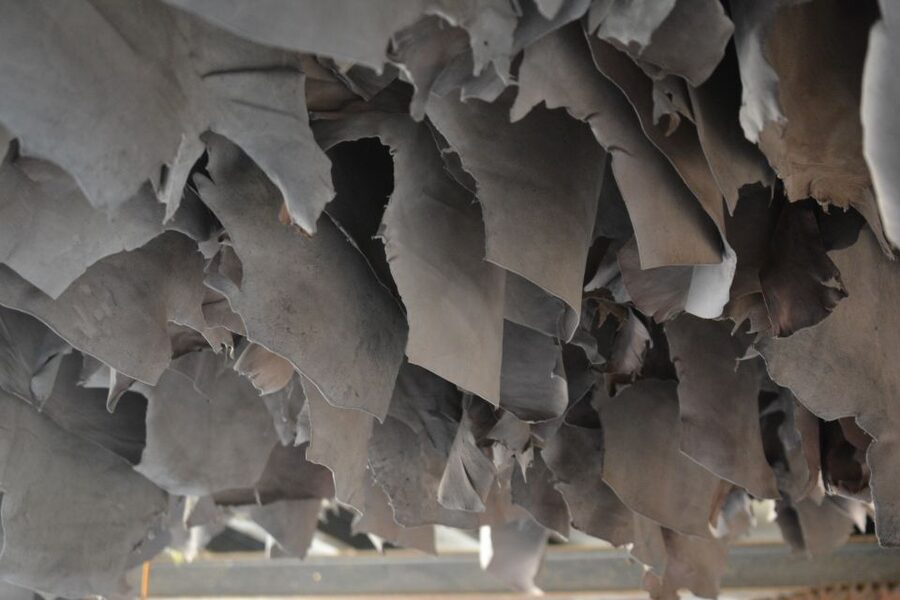
After walking through working areas, you’ll also spend time exploring the market environment connected to crafts and materials. You can look for unique textiles and handicrafts, and your guide helps you connect what you see to the local economy.
This is also where your instincts matter. If you like shopping, you’ll have a better eye because you’re seeing the behind-the-scenes work first, then the items where buyers meet producers.
If you’re not shopping, you’ll still benefit. You’ll understand why certain materials are handled the way they are and how trades feed into each other.
Dhobi Ghat from the viewing deck: the open-air laundry system at work
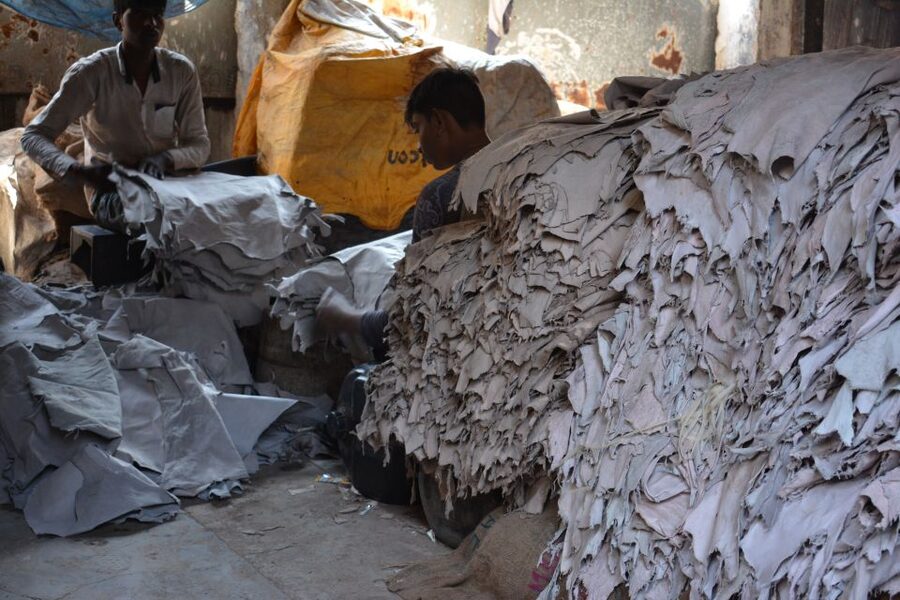
Then you shift to Dhobi Ghat, the famous open-air laundry area where clothes are washed, dried, ironed, and sorted by hand. The tour ends at the Dhobi Ghat viewing deck, so you’ll watch the whole operation from a good perspective without needing to wander into restricted working zones.
The scale is the shock factor. You’re surrounded by the rhythm of hundreds of washermen working in sequence, with clothes moving through stages that look simple but require careful timing and coordination.
Here’s what’s meaningful about it. Dhobi Ghat is not just a tourist sight, it’s a living workplace with specialized skills. Watching the workflow helps you appreciate how much labor and routine go into keeping city life moving.
One practical note: if you’re hoping for access deep into the laundry floor, plan for the experience to be observation-first. The tour structure is built around the viewing deck, and access can vary.
Your guide matters: how Pooja, Anushka, Varsha, and others change the day
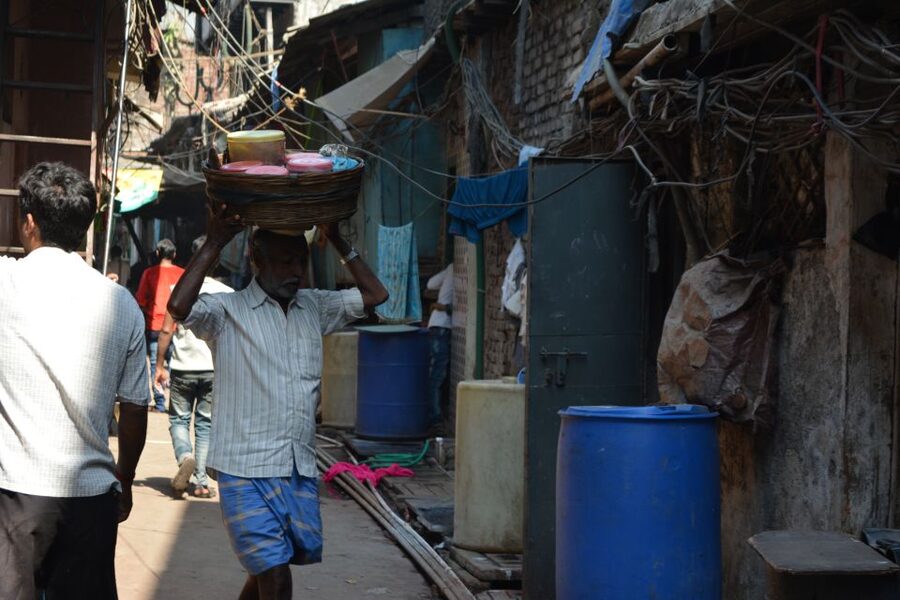
The quality of your guide makes a big difference on this kind of tour, and the guide team here includes people who can explain what you’re seeing clearly and answer questions on the spot.
You might get a guide like Pooja, who has a strong reputation for explaining the complexity of the place and guiding photography with sensitivity. You might also encounter Anushka, known for sharing stories and moving the tour along smoothly, or Varsha, who focuses strongly on the economic side and the productivity of workers. In one case, a guide named Smehe was praised for explaining things well, especially in the first part of the experience.
Even if your guide is someone else, the pattern is consistent: expect context, humor, and direct answers. A good guide helps you avoid the common mistake of reducing Dharavi to stereotypes, and instead helps you see the trades, choices, and constraints that shape daily work.
Walking logistics: shoes, water, rain or shine, and limited restrooms
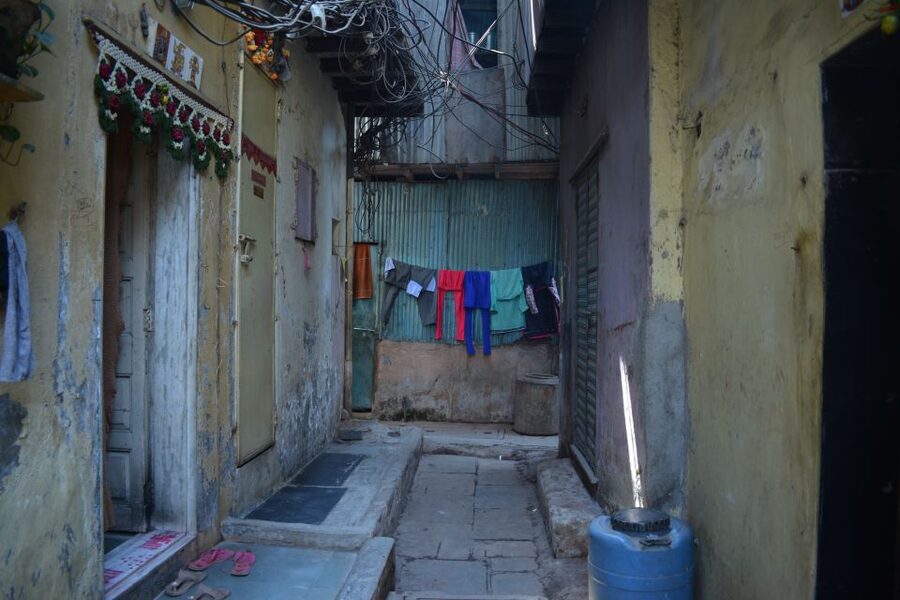
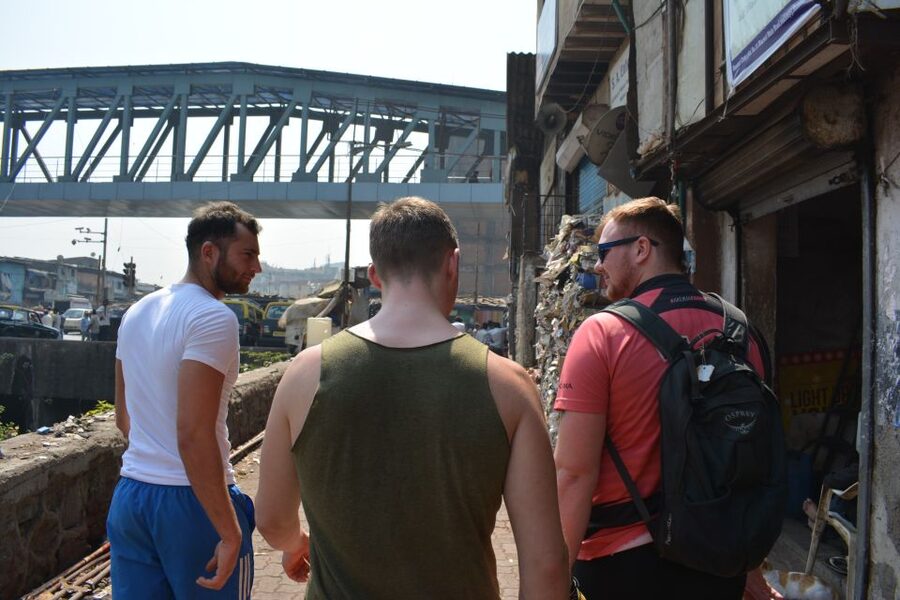
This tour is 3 hours of walking through narrow lanes and busy streets, so comfortable footwear is not optional. You’ll also want to bring water and stay hydrated since the walk is active and the weather in Mumbai can move fast.
Plan for limited restroom availability during the tour. Use facilities before you start, and don’t assume there will be convenient stops mid-route.
The tour runs rain or shine. If the forecast looks wet, come prepared with an umbrella or rain gear, because you’ll still be walking.
You should also follow the rules. Baby strollers aren’t allowed, and luggage or large bags are not allowed, so travel light.
Photography and dignity: how to handle your camera respectfully
Photography is allowed, but this isn’t a permission slip to treat homes like a backdrop. Your guide’s instructions are part of the experience because residents deserve control over what gets recorded and shared.
A good way to approach it is simple: ask where it’s fine, take a few thoughtful photos rather than rushing, and keep a respectful distance. If your guide says no, treat it as safety and dignity, not a chore.
That respectful attitude also makes the tour more enjoyable for you. It keeps the focus on learning, not on spectacle.
Price and value: why under $5 still feels like a full experience
At about $4.94 per person for a 3-hour guided tour, the value is unusual. You’re paying for entry to Asia’s largest slum Dharavi, plus an English-speaking guide.
For that price, you also get a two-part experience that’s hard to replicate on your own without local guidance: working Dharavi industries and then a view into Dhobi Ghat’s daily operation. It’s less about comfort and more about access and context, and that’s exactly where the cost advantage shows.
Food isn’t included, and hotel pickup and drop-off aren’t included either. I’d recommend eating before you go or planning a meal after, so you don’t end up cutting the walking short because you’re hungry.
Who should book this tour, and who should reconsider
This works best if you like understanding how cities run, not just seeing landmarks. If you’re interested in entrepreneurship, recycling, textiles, and handwork, you’ll likely find plenty to watch and ask about.
It also suits you if you’re comfortable walking and you’re respectful about photography. The tour description makes clear that you’ll be moving through narrow lanes and busy streets, so a calm, careful pace matters.
It’s not suitable for wheelchair users, and it’s listed as not appropriate for people over 95 years. If you’re traveling with a baby stroller or you need to carry luggage, this is also not a good fit because strollers and large bags aren’t allowed.
Should you book? A clear yes, with smart expectations
I’d recommend booking if you want an honest look at work in Mumbai, from recycling and small industries in Dharavi to the hand-driven system of Dhobi Ghat. The guides, including names like Pooja, Anushka, and Varsha, are a big reason people walk away satisfied because they explain what you’re seeing and help you stay respectful.
Just go in with the right mindset. This isn’t a luxury sit-down tour, it’s a walking day with limited restroom options and an observation-first view at Dhobi Ghat. If that matches your style, you’ll come away with a clearer picture of how labor, materials, and daily routines shape real life in the city.
FAQ
How long is the Dharavi Slum Tour with Dhobi Ghat?
The tour lasts 3 hours.
Where do I meet my guide?
Meet your guide outside Third Wave Coffee.
What’s included in the price?
Entry tickets to the Asia’s largest slum Dharavi and an English-speaking tour guide are included.
Is hotel pickup or drop-off included?
No, hotel pickup and drop-off are not included.
Are meals and drinks included?
No, food and drinks are not included.
Is photography allowed?
Photography is allowed, but you need to respect residents’ privacy and follow your guide’s photography instructions.
What should I bring?
Bring comfortable shoes, a hat, and a camera. A reusable water bottle is encouraged.
What items are not allowed?
Baby strollers are not allowed, and luggage or large bags are not allowed.
Is the tour wheelchair accessible?
No. The tour is not suitable for wheelchair users.
More Dharavi Walks with Local Guides





Mumbai, Keep Exploring





Recently reviewed across Mumbai
- Mumbai City Sightseeing Guided Tour on a Bicycle
★ 5.0 · 10 reviews - Mumbai Street Food & Beach Tour with 10+ Tastings
★ 5.0 · 10 reviews - Mumbai Market Tour & Maharashtrian Cooking Class with Chef Reshma
★ 4.5 · 10 reviews - Sailing Experience in Mumbai on Mid Size Yacht
★ 5.0 · 10 reviews - 3 Days Complete Mumbai Tour Inclusive of Bollywood Studio Experience
★ 5.0 · 10 reviews - Dharavi Slum Tour
★ 5.0 · 10 reviews
Mumbai City Tours, compared.
 ★ 4.9Full-Day Sightseeing Tour of MumbaiFrom $241,822 reviews
 ★ 5.0Group Guided Walking Tour in Fort and ColabaFrom $161,073 reviews
 ★ 4.8Elephanta Caves Half-Day Guided Tour with ExpertFrom $301,032 reviews
 ★ 5.0Highlights of Mumbai Sightseeing Tour: TRAVELLERS CHOICE AWARDEDFrom $33915 reviews
 ★ 5.0Private Guided Walking Tour in Fort & ColabaFrom $36895 reviews
 ★ 4.9Street Food and Night Markets TourFrom $13719 reviews
 ★ 4.9Dharavi Slum, DhobiGhat, and Dabbawallas TourFrom $14689 reviews
 ★ 5.0Highlights of South Mumbai Guided Private Tour in AC VehicleFrom $74620 reviews
Browse the lists this tour appears in