

REVIEW · MUMBAI CITY TOURS
Mumbai Dharavi Slum Tour With Local English Guide
Two hours in Dharavi changes how you see Mumbai. This 2-hour Dharavi Slum Tour uses walking time well, pairing up-close industry workshops with conversations that focus on people and work. You start near Mahim and end back where you began, keeping it simple and low fuss.
I especially like the way the tour centers on small-scale entrepreneurship you can actually see. You pass through lanes where family businesses run day to day, and the guide links what you’re watching to the local economy. I also appreciate how guides such as Sharon and Ruba are described as both warm and careful, explaining history and daily life while respecting residents’ privacy and boundaries.
One consideration: the area is noisy and crowded in places, and you are walking, so it helps to be patient and wear comfortable clothes. Also, plan for the rules on luggage, since large bags are not allowed on the walk.
In This Review
- Key things to notice before you go
- Why Dharavi feels different when a local is leading
- Getting to the start: Mahim meetup, or Third Wave Coffee and Ram Mahal
- What the 2-hour walk is really like
- Inside Dharavi: lanes, work, and the local economy at street level
- Workshop moments you can watch up close
- Rooftop perspective: seeing the density with context
- Ethical behavior that makes the tour better (and smoother)
- Price value: how $7 makes sense if you use your time well
- Who should book this Dharavi tour
- Guide quality is the difference maker here
- A few practical tips so you get the most out of the 2 hours
- Should you book this Dharavi Slum Tour?
- FAQ
- How long is the Dharavi slum tour?
- Is the tour guide available in English?
- Where do we meet for the tour?
- Is food or drinks included?
- Are large bags allowed?
- What is the cancellation policy?
Key things to notice before you go

- Local English guides: multiple guides are praised for clear explanations and good English, including Sharon, Ruba, Ruqaiyya, and Jawwad (Jay).
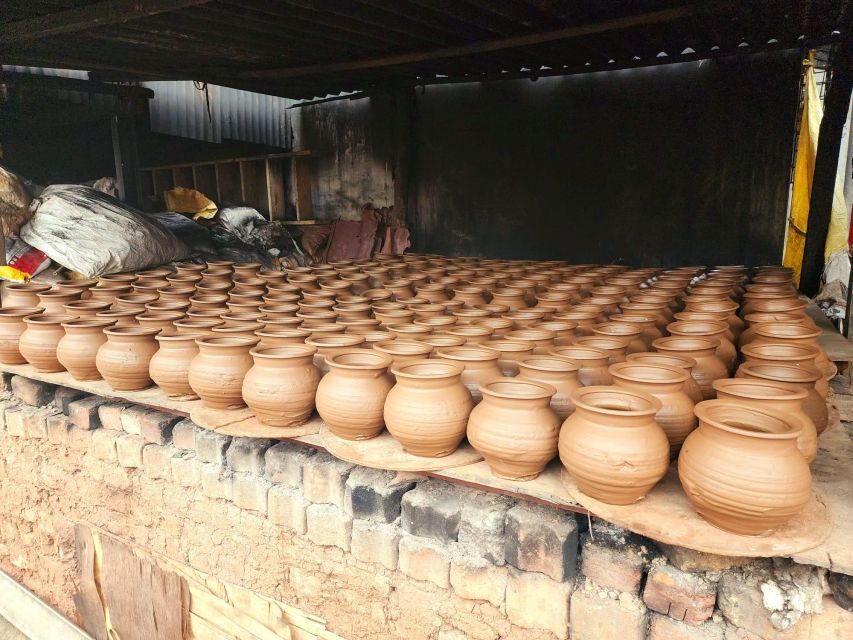
- Hands-on workshop moments: you may see pottery processes, leather work, tiny bakeries, and recycling activities in action.
- Dharavi on foot: the tour is designed for walking through key areas, so you get scale and street-level reality fast.
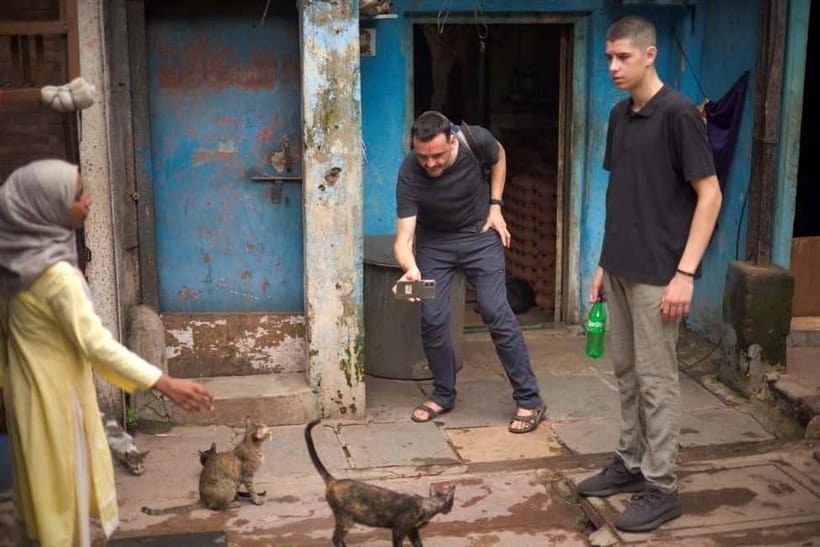
- Respect and privacy first: guides are repeatedly described as sensitive to personal space, photos, and boundaries.
- Small group feel: even when it’s a group tour, it can be smaller than you expect, and you’ll still get time for questions.
Mumbai, a few more routes through it
Why Dharavi feels different when a local is leading

Dharavi is often talked about in big, abstract ways, like a headline. On this tour, it’s handled as something human and practical: work sites, family businesses, and the everyday logistics of making a living in a dense city.
The biggest difference is the guide’s context. In the accounts I read, guides such as Sharon, Ruba, and Ruqaiyya explain how the industries connect to real people, not just to facts. Even when you ask questions that are uncomfortable or complicated, they are described as answering with patience and clarity.
You also learn quickly what not to do. The tour’s tone is built around respect, privacy, and asking permission where needed. That matters because Dharavi is someone’s home, not an exhibit.
Getting to the start: Mahim meetup, or Third Wave Coffee and Ram Mahal
This tour keeps the start points flexible. The listed starting options include Third Wave Coffee and Ram Mahal, and the included details note a Mahim station meetup as the convenient meeting approach.
Why that matters for you: if you’re staying somewhere in the city and want something predictable, it helps to know you are meeting in an area that’s relatively accessible. If your exact start spot depends on booking, just plan to arrive a bit early so you can find the group without stress.
The tour also lists two drop-off options: Ram Mahal and Third Wave Coffee. So you’re not left trying to figure out how to get back after a two-hour walk.
What the 2-hour walk is really like

Two hours sounds short, but Dharavi is full of sightlines and small transitions. The tour is structured as a guided walking exploration, so you spend your time moving, stopping, watching, and asking questions.
The experience is not about rushing through lots of photo stops. It’s about slow enough pacing that the guide can explain what you’re seeing: how industries work, what skills people use, and why certain jobs cluster where they do. Several guides are praised for giving detailed answers, and that usually comes from having time to work with you, not just to point and move on.
One practical note: it can be hard to hear at moments because Mumbai is noisy. In one account, a guest mentioned that the sound level made it tougher to catch every word. If you’re sensitive to noise, you might still enjoy the tour, but expect that you’ll rely on the guide’s gestures, explanations at quieter spots, and your own observation.
Other Dharavi walks, guides named
- Mumbai: Dharavi Slum, DhobiGhat, and Dabbawallas Tour★ 4.9 · 689 reviews
- Dharavi Slum Tour★ 5.0 · 625 reviews
- Dharavi Slum tour in Mumbai by local resident★ 5.0 · 572 reviews
- Mumbai: Dharavi Slum Slumdog Millionaire Tour with a Local★ 4.9 · 529 reviews
- Mumbai Slum Tour – Visit Dharavi Slum with Local Guide★ 5.0 · 509 reviews
Inside Dharavi: lanes, work, and the local economy at street level

The core of the tour is Dharavi itself, walked with a local guide through key areas. The emphasis is on entrepreneurship and small-scale industries, meaning you’re seeing how goods are made, processed, repaired, and sold rather than just viewing buildings.
In the descriptions of what people saw, the industries go beyond one craft. You may encounter pottery workshops with spinning wheels, leather artisans crafting items, tiny bakeries, and recycling units. That mix is useful, because it shows Dharavi’s economy as a network of small production steps.
A good guide will connect the dots. For example, Sharon is described as explaining history, economy, and human stories, always tied to what you’re standing in front of. Ruba is also praised for sharing daily life challenges and resilience in a way that feels safe and engaging. That kind of interpretation helps you avoid the trap of judging from afar.
Workshop moments you can watch up close

One of the most valuable parts is the interactive workshop component. This is where the tour shifts from “seeing” to “understanding how it’s made.”
From the accounts tied to this tour, you may see:
- Pottery work, including processes using spinning wheels
- Leather working, with artisans crafting high-quality goods
- Baking activity in small bakeries
- Recycling activities, with units that support ongoing material processing
- Family-run businesses, where pride and daily hustle are part of the story
Why this helps you: workshops turn a controversial subject into real craft and real work. Instead of focusing only on housing conditions, you also see skills, customers, materials, and how people keep operations going.
It also changes your questions. After a workshop stop, it’s easier to ask about training, tools, costs, and how workers organize their day. Several guests highlight that guides answer questions with detail and patience, which is a strong sign the workshop time is used for more than quick peeks.
Rooftop perspective: seeing the density with context

Some guides also include viewpoints that change how you process the area. One guest specifically mentioned an unforgettable rooftop view over dense rooftops with Mumbai’s skyline in the background.
Even if your route doesn’t include the same exact view, think of this as part of the tour’s logic: you walk street level for reality, then you step into a wider sightline to understand scale. That combination is powerful because you can hold both pictures in your head at once.
It’s also a reminder to slow down your phone habits. If you plan to take pictures, be mindful about where photos are allowed and how they’re framed. The best guides make it clear that people come first.
Ethical behavior that makes the tour better (and smoother)
This tour is most enjoyable when you act like you’re visiting a neighborhood, not running a scavenger hunt. The tone of the experience is repeatedly described as respectful, including sensitivity to privacy.
Here’s what to do to match that:
- Keep your eyes open and your questions curious, not judgmental.
- Ask before filming or photographing close-up.
- Treat workshop stops as work in progress, not a stage.
- Be prepared for boundaries. A good guide will manage this with you.
Guides like Sharon and Ruqaiyya are praised for prioritizing respect and privacy, so you’ll likely get guidance on what’s appropriate. Still, your mindset matters, because it sets the pace.
Also, avoid showing up with a heavy bag. The activity states that luggage or large bags are not allowed. This is about safety, comfort, and keeping the walk manageable in tight lanes.
Price value: how $7 makes sense if you use your time well
At about $7 per person for a 2-hour guided, English-language walking experience, the main value is not in luxury. It’s in access.
You’re paying for:
- a local English guide who can explain what you’re seeing
- walking coordination through key areas
- workshop interactions with artisans and craftspeople
- a respectful framework so your questions land well
Even without any “add-ons,” that is a lot for the time. Many tours with this kind of subject matter cost far more because they rely on transport and bigger vehicle logistics. Here, most of the cost goes to human interpretation and getting you where you need to be on foot.
The trade-off is that you should come ready to participate. This tour works best when you ask questions, listen at stops, and treat it like a guided conversation plus observation, not a passive bus ride.
Who should book this Dharavi tour
This tour is a strong fit if you want to understand Mumbai through daily work and community resilience. It’s also ideal if you prefer local guides who can answer questions clearly.
You’ll likely enjoy it if:
- you like street-level realities and don’t need a polished museum format
- you’re curious about small industries and how entrepreneurship survives in a tough environment
- you want an English guide with patience and room for questions
It might feel less ideal if:
- you dislike walking through crowded, noisy streets
- you want a low-stimulation experience with minimal interaction
- you have trouble with sensitive topics and prefer only comfortable viewpoints
On the other hand, several guests describe the tour as feeling safe and engaging when guided well. That usually means you are not left on your own in an unfamiliar maze, and you’re supported throughout.
Guide quality is the difference maker here
This experience appears to vary by guide because guides set the tone for respect, pacing, and question depth. The reviews included many specific names, and a clear theme shows up: the best guides are both technically informed and emotionally careful.
Examples from the praise:
- Sharon is described as warm, passionate, sensitive to the community, and focused on respect and privacy.
- Ruba is praised for knowledge, professionalism, and clear explanations, building a safe atmosphere.
- Jawwad (Jay) is described as educational and informative with a friendly communication style.
- Ruqaiyya and other long-time locals are praised for guiding with patience, helping with practical needs, and staying respectful of residents.
- Guides such as Ansh and others are mentioned as knowledgeable and engaging, turning a short walk into a lasting memory.
If you can choose, prioritize a guide known for respectful interaction and patience with questions. Even if you cannot choose, the high ratings suggest the operator puts effort into guide matching.
A few practical tips so you get the most out of the 2 hours
- Wear comfortable clothes for walking and heat. The tour explicitly asks for comfortable clothing.
- Leave large bags at home. Luggage or large bags are not allowed.
- Bring a realistic expectation: you are looking at work and home life. Keep your tone respectful.
- Plan for noise. If you struggle to hear, focus on visuals plus questions at quieter stops.
- Don’t expect food included. The tour does not include food and beverages, so budget for your own timing.
Should you book this Dharavi Slum Tour?
If you want a low-cost, guided way to understand Dharavi beyond headlines, I think booking makes sense. The strongest reason is that you get guided interpretation plus workshop access within a tight 2-hour window, and you’re supported by an English-speaking local guide.
Book it if you’re open to conversations, comfortable asking questions, and respectful about privacy. Skip it if you want a purely sightseeing-style tour with minimal human interaction, or if walking through busy, noisy streets is a dealbreaker for you.
Overall, the repeated praise for guides like Sharon, Ruba, Ruqaiyya, Jawwad (Jay), and others points to a consistent product: thoughtful guiding, hands-on industry stops, and a respectful route through real daily life.
FAQ
How long is the Dharavi slum tour?
The tour duration is 2 hours.
Is the tour guide available in English?
Yes. The tour is guided by a live English-speaking guide.
Where do we meet for the tour?
The meeting point may vary depending on the option booked, with starting options listed as Third Wave Coffee and Ram Mahal. The included details also mention a Mahim Station meetup.
Is food or drinks included?
No. Food and beverages are not included.
Are large bags allowed?
No. Luggage or large bags are not allowed on the tour.
What is the cancellation policy?
You can cancel up to 24 hours in advance for a full refund.
More Dharavi Walks with Local Guides




Mumbai, Keep Exploring





Recently reviewed across Mumbai
- Mumbai City Sightseeing Guided Tour on a Bicycle
★ 5.0 · 10 reviews - Mumbai Street Food & Beach Tour with 10+ Tastings
★ 5.0 · 10 reviews - Mumbai Market Tour & Maharashtrian Cooking Class with Chef Reshma
★ 4.5 · 10 reviews - Sailing Experience in Mumbai on Mid Size Yacht
★ 5.0 · 10 reviews - 3 Days Complete Mumbai Tour Inclusive of Bollywood Studio Experience
★ 5.0 · 10 reviews - Dharavi Slum Tour
★ 5.0 · 10 reviews
Mumbai City Tours, compared.
 ★ 4.9Full-Day Sightseeing Tour of MumbaiFrom $241,822 reviews
 ★ 5.0Group Guided Walking Tour in Fort and ColabaFrom $161,073 reviews
 ★ 4.8Elephanta Caves Half-Day Guided Tour with ExpertFrom $301,032 reviews
 ★ 5.0Highlights of Mumbai Sightseeing Tour: TRAVELLERS CHOICE AWARDEDFrom $33915 reviews
 ★ 5.0Private Guided Walking Tour in Fort & ColabaFrom $36895 reviews
 ★ 4.9Street Food and Night Markets TourFrom $13719 reviews
 ★ 4.9Dharavi Slum, DhobiGhat, and Dabbawallas TourFrom $14689 reviews
 ★ 5.0Highlights of South Mumbai Guided Private Tour in AC VehicleFrom $74620 reviews
Browse the lists this tour appears in