
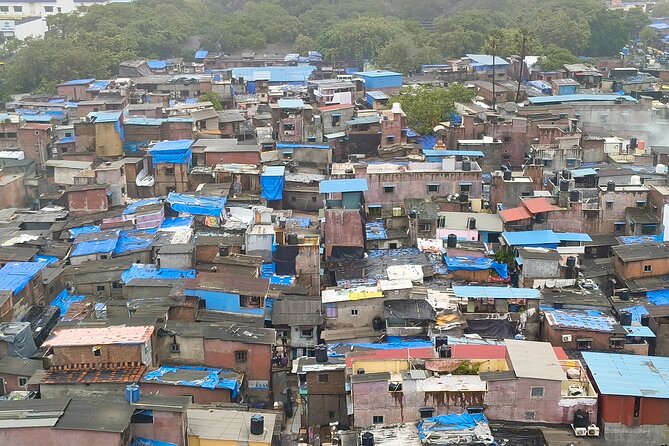
REVIEW · MUMBAI CITY TOURS
“Mumbai – Dharavi Slum Tour”
Dharavi is not a postcard. This small-group walking tour zooms you through both the commercial and residential sides of one of India’s biggest informal settlements, home to over one million people, where you’ll watch real work like recycling and manufacturing while learning how daily life runs. I love the cap of 15 people because it keeps the pace human and makes it easier to ask questions. I also like that you see crafts and small industries firsthand, from artisan studios to pottery and textile work, not just a general overview.
One thing to consider is that this is a real neighborhood and a walking route through tight alleys, so it can be tiring and you’ll want comfortable shoes and a calm, respectful mindset. Also, the experience requires good weather, so plan to stay flexible.
In This Review
- Key highlights I think matter
- Dharavi in 2 hours: work, craft, and daily life
- Price and what you really get for $8.95
- Where to meet, pickup options, and how the tour is set up
- Commercial Dharavi: waste management, recycling, and small manufacturing
- Residential Dharavi: markets, schools, leather work, and pot making
- Artisan studios and the real meaning of small-scale industry
- Why the small-group cap improves everything
- Weather, timing, and staying comfortable on a walking route
- Who should book this Dharavi tour
- Should you book the Mumbai Dharavi Slum Tour?
- FAQ
- How long is the Mumbai Dharavi Slum Tour?
- What is the group size limit?
- Is pickup available?
- Do I get a mobile ticket?
- Where does the tour start?
- What will I see during the tour?
- What is the cancellation policy?
Key highlights I think matter

- Capped at 15 people, so you can move smoothly and actually talk with the guide
- Two-hour format that covers both commercial recycling/manufacturing and residential daily life
- Artisan studios and hands-on industries like pottery, textiles, leather work, and small manufacturing
- Access to areas that are hard to reach on your own, especially for a short visit
- Strong focus on waste management and recycling, including visible industrial activity
Mumbai, a few more routes through it
Dharavi in 2 hours: work, craft, and daily life
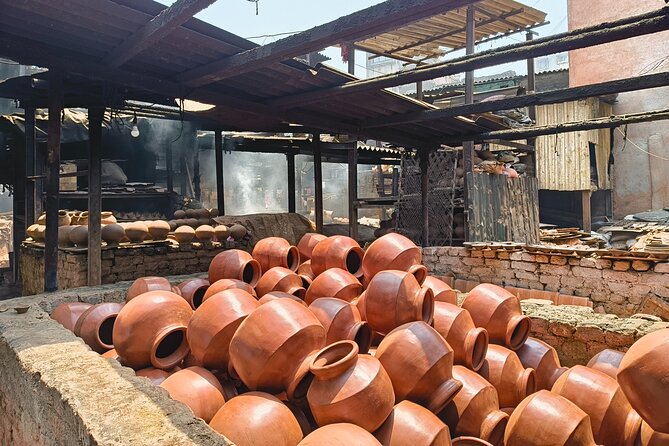
Dharavi can feel overwhelming before you even start. That’s why I like tours that are short, guided, and structured. In about two hours, you get a clear path through the place, with a guide helping you make sense of what you’re seeing and how everything connects.
This is also where context matters. Dharavi is often reduced to headlines, but on this walk you’re looking at livelihoods. You’ll hear about the entrepreneurial culture made famous by Slumdog Millionnaire, and you’ll understand it through actual small-scale industries, production steps, and the everyday rhythms that keep businesses and families moving.
The goal is not to “tour poverty.” It’s to understand how people live and work in a complex urban ecosystem that’s far from simple. If you’re the type who likes real stories and practical explanations, you’ll likely enjoy how much ground you cover without feeling rushed.
Price and what you really get for $8.95
At $8.95 per person, this is unusually low for a guided, guided-access walking experience that runs around two hours and keeps groups to 15. You are paying for three big things: a local guide, a route through both working and residential areas, and the ability to see specific industries such as recycling, manufacturing, pottery, and leather work.
You should still plan smart. This price is for the tour itself, not for transport around Mumbai. If you want less hassle, there’s an upgrade that adds door-to-door hotel transfers from anywhere in Mumbai. For many people, that extra cost can be worth it simply because it removes the problem of figuring out how to get to the meeting spot smoothly.
Also, because this is a guided walk, you’ll benefit most if you’re willing to ask questions. The best “value” shows up when you engage, not when you just walk and stare.
Where to meet, pickup options, and how the tour is set up
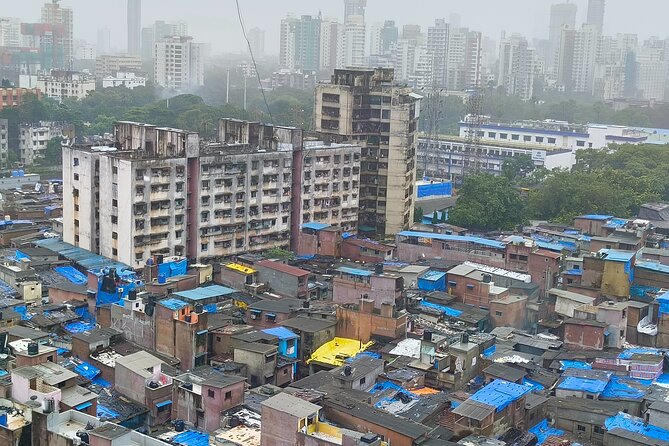
The tour starts and ends at the same place. Your meeting point is Third Wave Coffee, Tip Road, Unit No.58, Ground, Ram Mahal, Senapati Bapat Marg, Marinagar Colony, Station, Mahim, Mumbai, Maharashtra 400016, India. The tour also notes that the meeting spot is near public transportation, which is great if you want to come on your own.
If you prefer being picked up, pickup is offered. You can also upgrade for door-to-door transfers, including access from anywhere in Mumbai. That upgrade is especially handy if you are staying far from central transport lines or you don’t want to do the “find the correct street, then find the group” routine.
You’ll get a mobile ticket, so you can keep things simple on your phone. And with a small group size, the flow tends to feel more organized than the big “follow-the-leader” style tours.
Other Dharavi walks, guides named
- Mumbai: Dharavi Slum, DhobiGhat, and Dabbawallas Tour★ 4.9 · 689 reviews
- Dharavi Slum Tour★ 5.0 · 625 reviews
- Dharavi Slum tour in Mumbai by local resident★ 5.0 · 572 reviews
- Mumbai: Dharavi Slum Slumdog Millionaire Tour with a Local★ 4.9 · 529 reviews
- Mumbai Slum Tour – Visit Dharavi Slum with Local Guide★ 5.0 · 509 reviews
Commercial Dharavi: waste management, recycling, and small manufacturing
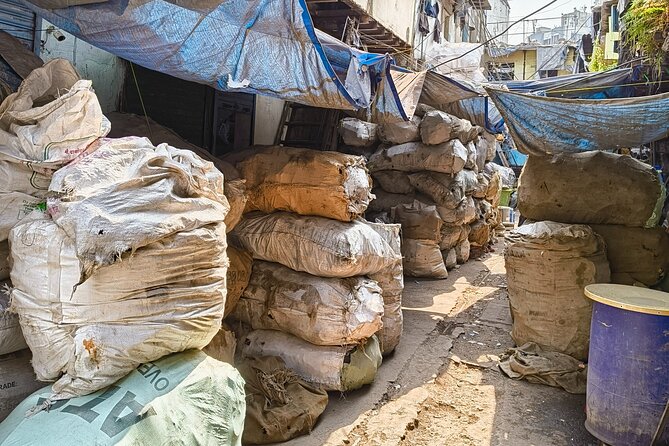
This is the side of Dharavi that hits you first. You’ll walk through the commercial area, where you can observe waste management and recycling and see manufacturing activity happening. In practical terms, this is where Dharavi’s work becomes visible.
One of the most praised parts of the experience is the focus on recycling, including a plastic recycling setup that people find fascinating. Even if you don’t consider yourself a “factory person,” watching the process helps you understand the logic behind the industries here. You’re not seeing a vague concept. You’re seeing work with stages, tools, and output.
What I like about this segment is that it’s concrete. It gives you something to anchor the story to. Later, when you move into residential neighborhoods and craft areas, you can connect the dots: what gets made, what gets reused, and how small businesses and families fit into the larger system.
A practical consideration: recycling and manufacturing areas can feel crowded and active. You may want to slow down, keep your eyes on your footing, and be prepared for close-up viewing. It’s not a quiet museum lane.
Residential Dharavi: markets, schools, leather work, and pot making
After the commercial section, the tour shifts into the residential area, where the vibe changes from production to daily life. This is where you’ll explore local markets, see schools, and learn about industries like the leather industry and pot making areas.
You’ll also pass through narrow alleys. That’s a big part of the experience, because it shows you how movement and access work in real neighborhoods. Streets and shortcuts are not like a grid. They’re shaped by life, commerce, and the way families build and adapt space over time.
This residential stretch is valuable because it balances the industrial sights with human-scale moments. Markets help you understand what people buy and sell. Schools help you understand what priorities look like in the future. Craft spaces like pot making help you connect household life with production work.
The drawback? Narrow alleys can be physically demanding if you’re not used to walking in tight spaces. Go at a comfortable pace and listen to your guide. This is not the time to rush ahead for photos or try to “beat” the group.
Artisan studios and the real meaning of small-scale industry
A big promise of this tour is access to artisan studios. And that matters, because watching production from the outside is one thing. Seeing how artisans work inside their working spaces is another.
You’ll have chances to see crafts tied to areas like pottery and textile studios, plus other small-scale manufacturing activities. The benefit is not just visual. It’s interpretive. With a guide, you can understand how tools, skills, and resources connect. You can also learn how residents structure their time around work, trading, and learning.
This is also where the Slumdog Millionnaire connection makes more sense. The cultural reference points to entrepreneurial drive, and you can see that drive in small industries that keep evolving. People are not stuck in one role. Many are running businesses, training for skills, and building customer relationships.
In a place this complex, a guided explanation turns “interesting scenes” into understanding. That’s the difference between collecting impressions and actually learning something.
Why the small-group cap improves everything
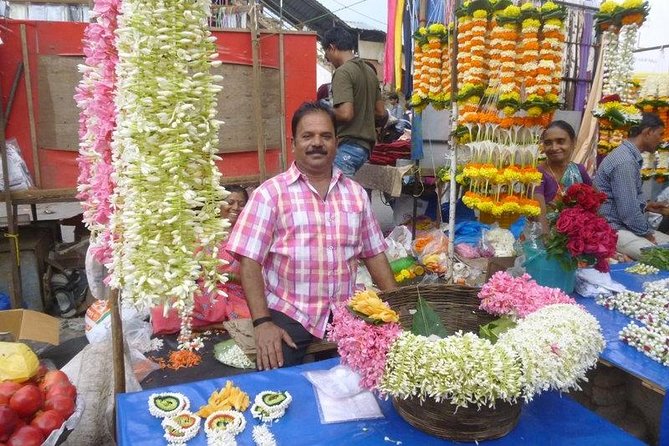
The tour is capped at 15 people, and that number matters more than you’d think. In tight areas, smaller groups reduce bottlenecks. On narrow lanes, it keeps things safer and less stressful for you and for the people around you.
A small group also makes Q and A realistic. The tour is designed at a pace that leaves room to ask questions rather than marching through sights like a stopwatch challenge. That question time can be where you get the most value, especially when the guide is explaining how waste is handled, how production is organized, and how residential neighborhoods support daily life.
If you’ve ever been on a crowded walking tour where you hear only half the story, this is a good fix. The cap supports mobility and attention, so you get more clarity with less noise.
Weather, timing, and staying comfortable on a walking route
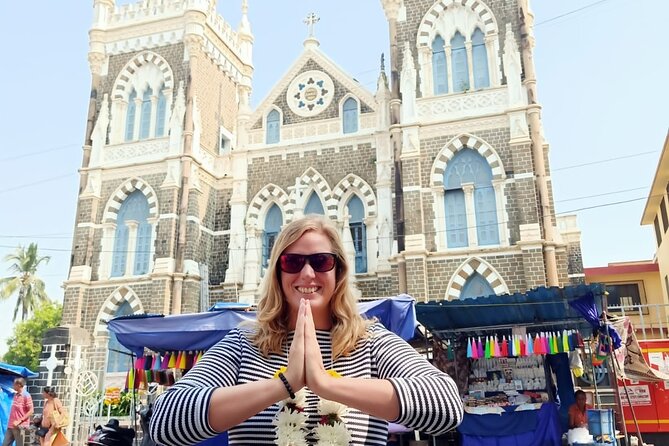
The experience is weather dependent and requires good weather. That means you should treat your booking like something that might shift if conditions are poor. If that happens, the tour offers an alternate date or a full refund.
On the ground, this is a walking experience through mixed commercial and residential areas. So dress like you’re going for a serious walk: comfortable shoes, light layers, and a plan for keeping water at hand. The tour duration is about 2 hours, but time can feel different when the route includes active work zones and narrow alleys.
Also, be mentally ready for intensity. Dharavi’s streets move fast, and the sights range from production to everyday errands. The “best” approach is calm attention. Slow down, listen, and let the guide set the order of what matters.
Who should book this Dharavi tour
This tour is a strong match if you want a short, guided way to understand Dharavi beyond stereotypes. You’ll likely enjoy it if you like real-world learning, hands-on industry, and stories about how communities organize work and daily life.
It’s also a good choice if you prefer structure. The route covers commercial recycling and manufacturing first, then residential markets, schools, leather work, and pot making areas. That two-part flow helps your brain keep track instead of feeling scattered.
You might want to think twice if you need very spacious walking conditions, or if you’re uncomfortable with active industrial environments. This is not a quiet nature stroll. It’s an up-close city experience.
Should you book the Mumbai Dharavi Slum Tour?
I’d book it if you want an honest look at how a huge informal settlement functions, in a tightly managed 2-hour visit with small-group limits and a focus on real industries like recycling, pottery, textiles, and leather work. The price is also hard to ignore for what you get, especially when you consider that you’re guided through hard-to-reach areas rather than trying to piece it together on your own.
If you value convenience, consider upgrading to door-to-door hotel transfers. And if weather is iffy, keep your schedule flexible.
If you want your Mumbai sightseeing to include something meaningful and practical, not just scenic stops, this tour is one of the more direct ways to do it.
FAQ
How long is the Mumbai Dharavi Slum Tour?
The tour lasts about 2 hours.
What is the group size limit?
The tour has a maximum of 15 travelers.
Is pickup available?
Yes, pickup is offered. You can also upgrade to include door-to-door hotel transfers from anywhere in Mumbai.
Do I get a mobile ticket?
Yes, the tour includes a mobile ticket.
Where does the tour start?
The meeting point is Third Wave Coffee, Tip Road, Unit no.58, Ground, Ram Mahal, Senapati Bapat Marg, Marinagar Colony, Station, Mahim, Mumbai, Maharashtra 400016, India. The tour ends back at the meeting point.
What will I see during the tour?
You’ll see Dharavi’s commercial area, including waste management and recycling and manufacturing activity. You’ll also visit the residential area, with local markets, schools, leather industry, pot making areas, and narrow alleys.
What is the cancellation policy?
Free cancellation is available. You can cancel up to 24 hours in advance for a full refund. If you cancel less than 24 hours before the start time, the amount paid is not refunded. If the experience is canceled due to poor weather, you’ll be offered a different date or a full refund.
More Dharavi Walks with Local Guides





Mumbai, Keep Exploring





Recently reviewed across Mumbai
- Mumbai City Sightseeing Guided Tour on a Bicycle
★ 5.0 · 10 reviews - Mumbai Street Food & Beach Tour with 10+ Tastings
★ 5.0 · 10 reviews - Mumbai Market Tour & Maharashtrian Cooking Class with Chef Reshma
★ 4.5 · 10 reviews - Sailing Experience in Mumbai on Mid Size Yacht
★ 5.0 · 10 reviews - 3 Days Complete Mumbai Tour Inclusive of Bollywood Studio Experience
★ 5.0 · 10 reviews - Dharavi Slum Tour
★ 5.0 · 10 reviews
Mumbai City Tours, compared.
 ★ 4.9Full-Day Sightseeing Tour of MumbaiFrom $241,822 reviews
 ★ 5.0Group Guided Walking Tour in Fort and ColabaFrom $161,073 reviews
 ★ 4.8Elephanta Caves Half-Day Guided Tour with ExpertFrom $301,032 reviews
 ★ 5.0Highlights of Mumbai Sightseeing Tour: TRAVELLERS CHOICE AWARDEDFrom $33915 reviews
 ★ 5.0Private Guided Walking Tour in Fort & ColabaFrom $36895 reviews
 ★ 4.9Street Food and Night Markets TourFrom $13719 reviews
 ★ 4.9Dharavi Slum, DhobiGhat, and Dabbawallas TourFrom $14689 reviews
 ★ 5.0Highlights of South Mumbai Guided Private Tour in AC VehicleFrom $74620 reviews
Browse the lists this tour appears in