
REVIEW · MUMBAI CITY TOURS
Mumbai: Dharavi Slum Walking Tour by First Female Tour Guide
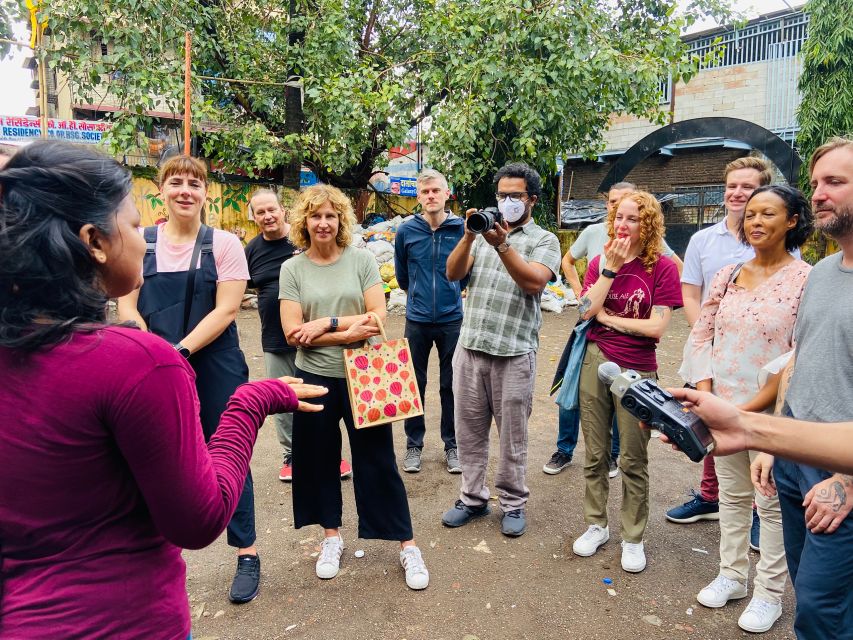
Skip the postcards, walk the real city. This Dharavi Slum Walking Tour spends about 2.5 hours inside Asia’s largest slum, led by the first female guide of Dharavi, with a route that follows how waste turns into work. I especially like the focus on the recycling chain, from plastic and paper handling to aluminium work and beyond.
I also love how the tour keeps things human and practical, with guides such as Pooja or Sneha described as careful with the group and clear when explaining what you’re seeing. One drawback to consider: the streets are active, close, and working, so if you prefer easy, scenic sightseeing, this can feel intense.
In This Review
- Key takeaways before you go
- Finding your start point at Third Wave Coffee
- Walking Dharavi for about 2.5 hours, what to expect
- From waste to work: recycling and small manufacturing stops
- Schools and learning: seeing the next generation
- Markets and commercial areas, then back to home life
- Meet your guide, why the first female local perspective matters
- Ethical and impact-minded touring, without pretending it is easy
- Price and value: $5 for a 2 to 2.5 hour guided walk
- Who should book this tour in Mumbai
- How to make the most of your walk (practical habits)
- Should you book the Dharavi Slum Walking Tour with a first female guide?
Key takeaways before you go
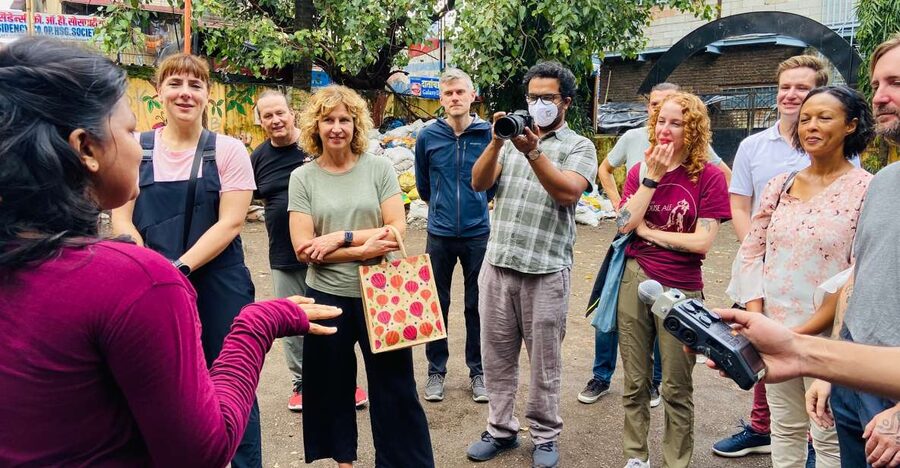
- A first female Dharavi guide who walks you through daily life, not a slideshow
- Working industries on the route, from plastic recycling to soap, cloth, leather, and pottery
- Real community stops, including schools, colleges, markets, commercial areas, and homes
- Small-group feel and lots of answering, with guides praised for English and for keeping everyone together
- In-and-out in one morning or afternoon, starting and ending at Third Wave Coffee
- Value that is hard to beat, at about $5 per person for a guided walk of roughly 2 to 2.5 hours
Mumbai, a few more routes through it
Finding your start point at Third Wave Coffee
Your tour begins at Third Wave Coffee, with your guide meeting you outside the shop. The good news is that it is easy to spot and easy to access, because it sits near a station. If you are driving, plan extra time since Mumbai traffic can be rough, and you might lose patience fast.
This matters more than it sounds. When your meeting point is reliable, you spend less time stressed and more time actually walking and learning. You also get a comfortable buffer before you enter the working streets of Dharavi.
Walking Dharavi for about 2.5 hours, what to expect
You should think of this as a guided walk through a real, living neighborhood where people work, study, shop, and raise families. The tour is designed to last around 2 to 2.5 hours, so it is long enough to connect the dots between industries and everyday life, but not so long that it turns into a tiring slog.
The route is also built to show you places you likely would not find on your own. The tour highlights industrial workshops, but it also includes residential and community areas along the way. That mix is the point: Dharavi is not just one kind of activity. It is a patchwork of work and routines.
Because it is a walking tour inside tight local streets, you will want to stay alert and stick close to your guide, especially if you stop for photos. In fact, guides are praised for not losing the group, even when people get distracted by what they see.
From waste to work: recycling and small manufacturing stops
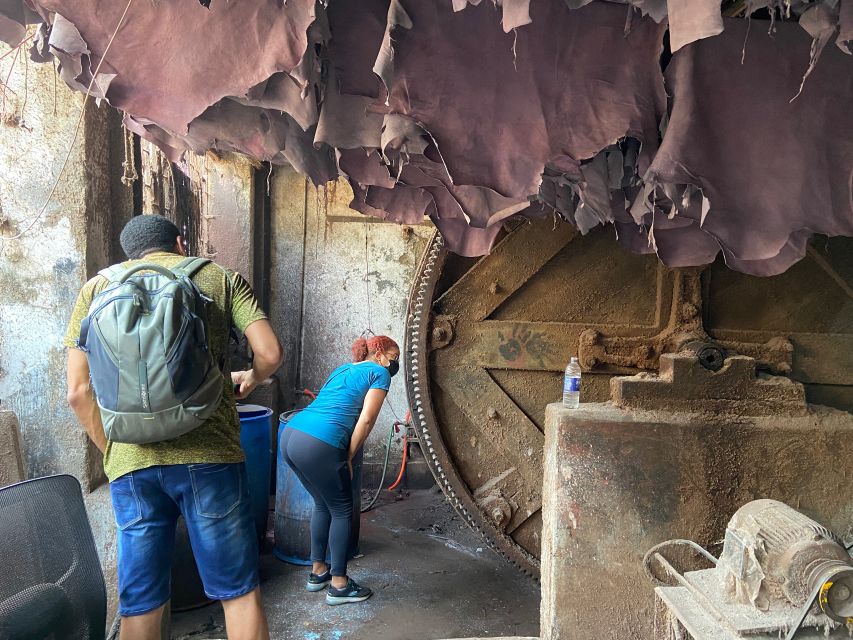
The headline of the tour is how Dharavi turns scraps into jobs. You go through several hands-on sectors, including plastic recycling, paper recycling, and aluminium recycling. Seeing these processes in motion helps you understand why people stay busy here, day after day, and how the local economy runs on practical skills.
The tour also moves beyond recycling into manufacturing you might only expect to see in a factory district. Expect stops tied to soap production, cloth manufacturing, leather industries, and pottery. Each stop helps explain a chain reaction: raw materials get sorted, processed, and shaped into usable products.
What I think you will find most useful is that the guide does not treat these as separate exhibits. The explanation connects how materials flow and how different parts of the community depend on each other. It is a way to understand Dharavi as a working system, not just an image.
And yes, the guide quality is a huge part of the value. In the guide descriptions you will see patterns like patient explanations, clear English, and a sense of humor that keeps the pace from feeling heavy.
Other Dharavi walks, guides named
- Mumbai: Dharavi Slum, DhobiGhat, and Dabbawallas Tour★ 4.9 · 689 reviews
- Dharavi Slum Tour★ 5.0 · 625 reviews
- Dharavi Slum tour in Mumbai by local resident★ 5.0 · 572 reviews
- Mumbai: Dharavi Slum Slumdog Millionaire Tour with a Local★ 4.9 · 529 reviews
- Mumbai Slum Tour – Visit Dharavi Slum with Local Guide★ 5.0 · 509 reviews
Schools and learning: seeing the next generation
A big part of this tour is that it includes schools and colleges, not just workshops. That one decision changes how you interpret what you’re seeing. It is easy to think about “poverty” as a single snapshot, but education is about time, planning, and choices people make for the future.
When your guide brings you past education centers, the conversation shifts toward how the community organizes learning and opportunities. Guides are praised for answering questions patiently, including questions from people who start the tour with assumptions they later want to revise.
Even if education is not the first thing on your radar in Mumbai, it becomes central here. The tour nudges you to think about the long game, not only survival.
Markets and commercial areas, then back to home life
Another key feature is the switch between commercial places and residential areas. On the industrial side, you get the energy of production. On the home side, you see daily living in close proximity to that work.
This contrast is one of the reasons the tour is often described as eye-opening. It challenges the idea that slum areas are uniform. Instead, you get a sense of layered life: business and household rhythms sharing the same streets.
You might notice that many guides are noted for including both commercial and residential sections, rather than keeping the tour trapped in a single theme. That approach helps you understand why a neighborhood like Dharavi can feel like a city within a city.
Meet your guide, why the first female local perspective matters
This tour is led by the first female tour guide of Dharavi, and that is not just a badge. It shapes the whole experience, including how you are introduced to each area and how comfortable you feel asking questions.
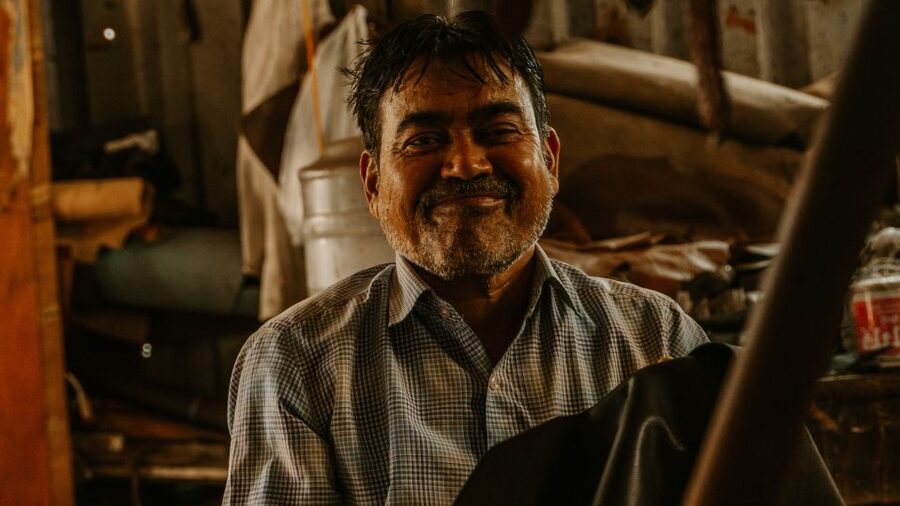
Guides described in the tour experiences include locals such as Pooja and Sneha, with at least some guides specifically noted as born and raised in Dharavi or still living there. That firsthand connection comes through in the way explanations stay grounded and specific.
You also see practical qualities in guide feedback. People highlight that guides arrive on time, keep the group together, explain clearly in English, and manage the pace so everyone feels comfortable. One guide is even credited with a witty sense of humor, which helps when you are processing heavy topics.
If you care about authenticity, this is a major reason to choose this tour format instead of wandering alone.
Ethical and impact-minded touring, without pretending it is easy
The tour is positioned as an ethical and impact-focused experience, and the structure supports that idea: you are on a small-group walking route with local guidance, not a distant, rubber-necking-style visit.
Still, there is a reality check. You are walking through a place where people live and work under real pressures. That means you should expect the emotional tone to vary from moment to moment. You might see resilience and pride, but you may also feel uncomfortable or uncertain as you encounter daily work that is hard to talk about from afar.
A good guide helps you hold both truths at once. And the consistent praise for care, patience, and clarity suggests you will not be left to figure everything out on your own.
Price and value: $5 for a 2 to 2.5 hour guided walk
At $5 per person, this is priced for maximum access. That low cost matters because Dharavi is not a “luxury sightseeing” destination. It is a place where the value comes from the guide’s context and your time spent seeing how life works.
In other words, you are paying for interpretation and routing, not for comfort or polished sets. The tour includes a walking guide and bottled mineral water, which also keeps things straightforward.
You also get flexible planning options, including reserve now and pay later and free cancellation up to 24 hours in advance (so long as you follow the stated policy window). If your Mumbai schedule is tight, that flexibility makes this easier to fit into your first day.
Who should book this tour in Mumbai
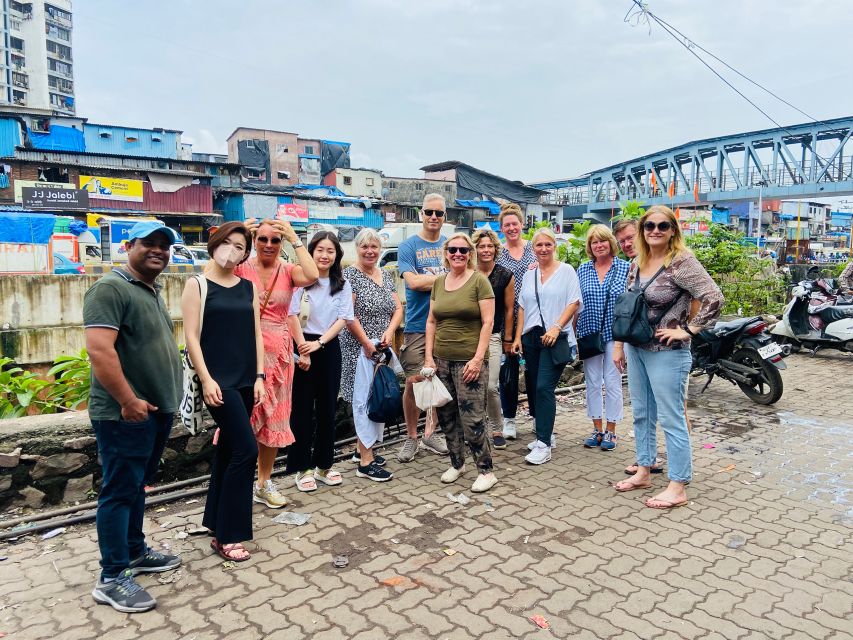
I think this tour is a strong fit if you want more than highlights and photos. It works well on your first day in Mumbai, because it gives you a practical mental map of how people live and work in one of the most recognized areas of the city.
It is also a good match if you:
- want a local, guided route rather than trying to navigate alone
- like question-and-answer time, especially when the guide speaks clear English
- prefer tours that include both work and daily community life, not only factories or only homes
If you are the kind of traveler who wants calm, airy views and low emotional intensity, you might find this tour challenging. The streets and the subject matter are real, not curated for comfort.
How to make the most of your walk (practical habits)
Because this is a walking tour through working areas, your best move is to plan for focus and patience. Keep close to your guide and follow their pacing, since the goal is to see multiple parts of Dharavi in a tight time window.
Also, come ready with questions. Guides are repeatedly described as answering questions clearly and staying patient, which suggests the tour is built for conversation, not just one-way lecturing. If you are quiet, that is okay too, because guides are praised for finding ways to help quieter people engage.
Finally, use the meeting point as your anchor. If you are coming from far away, aim to arrive early enough that traffic or platform confusion does not stress you out before you start.
Should you book the Dharavi Slum Walking Tour with a first female guide?
If you want an honest, local view of Dharavi that connects recycling, manufacturing, education, markets, and home life, then yes, I would book it. The standout strength is the combination of first female local guiding plus a route that shows how the community runs as a system.
I would only skip it if you know you cannot handle close-up realities of working neighborhoods, or if you are only in Mumbai for postcard-style sightseeing. For most people, especially those who like context and questions, this is a high-value way to understand Dharavi beyond stereotypes.
More Dharavi Walks with Local Guides





Mumbai, Keep Exploring





Recently reviewed across Mumbai
- Mumbai City Sightseeing Guided Tour on a Bicycle
★ 5.0 · 10 reviews - Mumbai Street Food & Beach Tour with 10+ Tastings
★ 5.0 · 10 reviews - Mumbai Market Tour & Maharashtrian Cooking Class with Chef Reshma
★ 4.5 · 10 reviews - Sailing Experience in Mumbai on Mid Size Yacht
★ 5.0 · 10 reviews - 3 Days Complete Mumbai Tour Inclusive of Bollywood Studio Experience
★ 5.0 · 10 reviews - Dharavi Slum Tour
★ 5.0 · 10 reviews
Mumbai City Tours, compared.
 ★ 4.9Full-Day Sightseeing Tour of MumbaiFrom $241,822 reviews
 ★ 5.0Group Guided Walking Tour in Fort and ColabaFrom $161,073 reviews
 ★ 4.8Elephanta Caves Half-Day Guided Tour with ExpertFrom $301,032 reviews
 ★ 5.0Highlights of Mumbai Sightseeing Tour: TRAVELLERS CHOICE AWARDEDFrom $33915 reviews
 ★ 5.0Private Guided Walking Tour in Fort & ColabaFrom $36895 reviews
 ★ 4.9Street Food and Night Markets TourFrom $13719 reviews
 ★ 4.9Dharavi Slum, DhobiGhat, and Dabbawallas TourFrom $14689 reviews
 ★ 5.0Highlights of South Mumbai Guided Private Tour in AC VehicleFrom $74620 reviews
Browse the lists this tour appears in