
REVIEW · MUMBAI CITY TOURS
Mumbai: Dharavi Slum Walking Tour with Local Slum Dweller
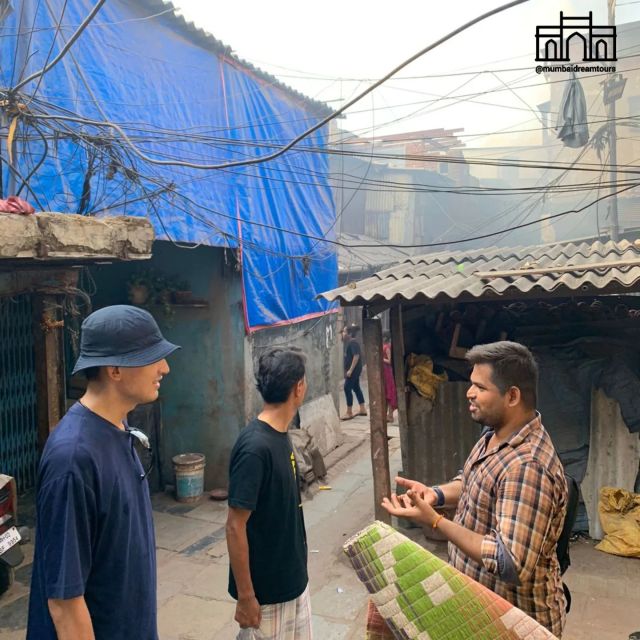
Dharavi turns stereotypes into questions. This walking tour in Mumbai takes you through real alleyways and workshops, guided by a resident who explains how people live, work, and recycle in one of Asia’s largest slums. You’ll also pass the place used in Slumdog Millionaire, then move on to leather workshops, dye makers, markets, and everyday services like schools and hospitals, all in a tight, human scale.
I especially like two parts: the recycling focus and the practical way it shows how waste becomes income. I also love the option to try pottery and the chance to eat a vegetarian lunch with a local family, sitting on the floor and eating with your hands.
One consideration: this is a place built on crowded work and constant activity, so you should expect close quarters, strong smells from workshops and food areas, and a tour that challenges assumptions fast. Bring a scarf, wear closed-toe shoes, and mentally switch from sightseeing to respectful watching and asking questions.
In This Review
- Key Things You Should Know Before You Go
- Dharavi With a Local Guide, Not a One-Stop Sideshow
- The Start at Third Wave Coffee, and What to Bring
- Slumdog Millionaire, Then Leather, Soap, and Dyes in Tiny Spaces
- Recycling Is the Main Character: Plastics, Oil Cans, and Rubie’s Industry
- The Market Walk, Religion Side by Side, and Community Spirit
- Pottery Workshop Option: Throwing on the Wheel and Making Kumbharwade Art
- Lunch With a Local Family: Vegetarian Food, Floor Seating, and Hands-On Manners
- What You Really Get for $14, and Why It Feels Like Value
- How to Stay Respectful and Comfortable in Tight Working Lanes
- Should You Book This Dharavi Slum Walking Tour?
- FAQ
- Where do I meet the guide?
- How much does the Mumbai Dharavi slum walking tour cost?
- What’s included in the tour?
- Is vegetarian lunch included?
- Is the pottery workshop included?
- What should I bring?
- What language is the tour in?
- Where does the tour end?
- Is any food included if I do not choose lunch?
- Can I book without paying today, and is cancellation flexible?
Key Things You Should Know Before You Go

- Resident-led pacing keeps the walk focused on daily life, not just photos
- Slumdog Millionaire filming location adds a pop of pop-culture context before you get to the work
- Rubie’s recycling economy is highlighted, with Dharavi’s output estimated around 1 billion US dollars annually
- Tiny-space industries include leather workshops, soap-making, and colored dye production
- Plastic recycling lessons show how items like vegetable oil cans get recycled in clever ways
- Optional pottery and lunch turn the tour from viewing into hands-on participation
Mumbai, a few more routes through it
Dharavi With a Local Guide, Not a One-Stop Sideshow

This tour works because it’s framed as a lived-in neighborhood, not a spectacle. You’re walking with someone who lives the rhythms of Dharavi, so you see what locals do, why they do it, and how community ties matter when space is limited. The “real Dharavi” part is not a sales pitch, it’s the whole structure of the experience.
The walk also pushes you to reset your mental shortcut. Dharavi is often described in one tone, but here you’re nudged toward a messier truth: people here work hard, solve problems creatively, and run industries that feed broader supply chains. You’ll get that lesson through what you can observe up close, from recycling flows to workshop setups.
The other thing that makes a difference is the guide style. Names like Abhishek, Bharti, Dhruvesh, Hardik Tank, and Rakesh come up for a reason: people praised them for being friendly, respectful, and careful not to disrupt local life. Many also answered lots of questions and kept things personable rather than scripted.
The Start at Third Wave Coffee, and What to Bring
You meet your guide at Third Wave Coffee. That matters because it gives you a clear, easy-to-find starting point before you step into a place where directions can get complicated fast.
From the start, plan to move on foot through tight lanes and active working areas. You’ll have water with the tour, which is a small inclusion that becomes big once you’re walking for a while in Mumbai’s heat.
Bring:
- A scarf (useful for respect and for comfort in sun or dust)
- Closed-toe shoes (you’ll want grip and protection on uneven surfaces)
Also, set your expectations. This is not a museum stop with a quiet queue. You’re walking through everyday spaces, including homes and services, so be ready to keep your voice low and let the work stay the focus.
Slumdog Millionaire, Then Leather, Soap, and Dyes in Tiny Spaces

The itinerary gives you a quick cultural anchor before it turns serious. You’ll visit a place where Slumdog Millionaire was shot, which helps you understand why the world thinks it knows Dharavi already. Then the tour shifts away from movie impressions toward the real production line behind the look.
As you walk, you’ll see thriving small-scale industries that run in spaces that seem too small for serious work. Expect to pass by:
- Leather workshops, where quality goods are made
- Soap manufacturers
- Colored dye makers
- Plus other workspaces that show how manufacturing happens in fragments, not factories
You’ll also move through the neighborhood side of the economy and everyday life. The route includes stops such as a bakery, schools, hospitals, and houses. That mix is important. It tells you Dharavi isn’t only “work,” it’s also routines, needs, and community infrastructure.
One practical tip: keep your camera in check. You’ll likely want photos, but workshops and homes are active places. A good guide will help you figure out where it’s respectful to photograph and when it’s better to just watch.
Other Dharavi walks, guides named
- Mumbai: Dharavi Slum, DhobiGhat, and Dabbawallas Tour★ 4.9 · 689 reviews
- Dharavi Slum Tour★ 5.0 · 625 reviews
- Dharavi Slum tour in Mumbai by local resident★ 5.0 · 572 reviews
- Mumbai: Dharavi Slum Slumdog Millionaire Tour with a Local★ 4.9 · 529 reviews
- Mumbai Slum Tour – Visit Dharavi Slum with Local Guide★ 5.0 · 509 reviews
Recycling Is the Main Character: Plastics, Oil Cans, and Rubie’s Industry

Dharavi’s story is often told as poverty. This tour nudges you to look at a different engine underneath: recycling.
The walk specifically highlights the importance of plastic recycling in Dharavi and how it supports livelihoods. You’ll learn why recycling matters so much here, and you’ll see the process in action through examples like vegetable oil cans being recycled in innovative ways.
There’s also a big-picture economic lens during the tour. Dharavi’s economic output is estimated around 1 billion US dollars annually, much of which is linked to Rubie’s informal recycling industry. Even if you don’t remember the exact figure, you’ll feel the logic: recycling is organized labor here, not just cleanup.
What I like about this focus is that it turns abstract “waste” into something tangible. Instead of pity, you get problem-solving. Instead of stereotypes, you get systems. You come away understanding how a neighborhood can be both overlooked and economically central.
The Market Walk, Religion Side by Side, and Community Spirit

After the workshop stops and the recycling lesson, you head into the market area. This part is less about factories and more about the street-level economy: where people gather, buy, trade, and connect. Markets are where you see the neighborhood’s tempo, and they help you connect the industries you saw earlier to how goods move.
A standout detail is how the tour notes religion and community living close together. You may even watch Muslims making a shrine for Hindus. That kind of small, real moment is a reminder that Dharavi is not only an economic system. It’s also relationships, shared space, and daily cooperation.
This is where a strong guide earns their keep. The best tours keep you from becoming a distraction. People praised guides for being respectful, polite, and careful about how and when they introduced guests to local residents. If you want this to feel human, not intrusive, look for a guide who sets expectations up front and keeps your group from crowding.
Pottery Workshop Option: Throwing on the Wheel and Making Kumbharwade Art

If you choose the pottery option, the tour becomes hands-on. You’ll get a general overview of pottery making first, then you’ll get your turn throwing on the wheel and making a piece of Kumbharwade art.
This isn’t presented as a quick souvenir. It’s a short workshop that gives you enough skill to feel the craft. Pottery involves patience and physical coordination, so you’ll likely appreciate the work after you try it yourself.
You should expect the workshop to be a change of pace from walking. It also adds a deeper layer to the trip, because you’re not only learning how people earn money. You’re learning how skills get passed down and how everyday labor turns into artistic output.
Lunch With a Local Family: Vegetarian Food, Floor Seating, and Hands-On Manners

Another option is a vegetarian lunch with a local family. If you add it, you’ll eat in like a local, sitting on the floor and eating with your hands.
That detail sounds simple, but it changes the tone. You stop treating Dharavi as an outdoor exhibit and you start experiencing hospitality as part of the day. It also gives you something practical: an opportunity to see how meals fit into daily routines, not just as a tourist stop.
Important note for your planning: food is not automatically included unless you pick that lunch option. The tour includes a vegetarian lunch when you choose it, but otherwise you’ll want to plan your own meals around the tour timing.
What You Really Get for $14, and Why It Feels Like Value

The price is $14 per person. For some tours, that price buys a quick walk and a handful of photos. Here, the inclusions make the cost easier to justify:
- A slum tour with a guide
- Water
- Plus a vegetarian lunch if you select that option
- And a pottery workshop if you select that option
The value also comes from what $14 protects you from. Without a local resident guide, it’s harder to understand what you’re seeing, and it’s harder to approach places respectfully. The guide role is the difference between wandering and learning.
The tour is rated 4.9, with 44 reviews showing strong satisfaction overall. The praise that keeps coming up is about guide quality, friendliness, and respectful behavior, plus a willingness to answer questions without brushing you off.
How to Stay Respectful and Comfortable in Tight Working Lanes

This tour is about real life in active spaces. That means you need a behavior plan.
Here’s what helps:
- Keep your voice down and avoid blocking entrances to workshops
- Ask questions when invited, not constantly over people’s shoulders
- Use your scarf and closed-toe shoes so you’re not worrying about comfort mid-walk
- Remember that this isn’t a stage show. If the guide says don’t linger, respect it
Some guides were specifically praised for doing their best to keep guests from being disruptive and for being careful with pacing. That’s what you want to look for, because it’s what lets you have a meaningful experience without turning the neighborhood into a backdrop for your photos.
Finally, a mental shift. Go with curiosity. If you show up ready to learn, you’ll get more than a guided route. You’ll get a new framework for understanding what you’re seeing.
Should You Book This Dharavi Slum Walking Tour?
Book it if you want a resident-led walk that challenges stereotypes using concrete examples: recycling, small-scale manufacturing, community services, market life, and optional hands-on pottery and lunch. At $14, it’s also one of the more straightforward ways to spend time in Dharavi without treating it like a drive-by.
Consider skipping or choosing a more comfortable option if you know you get overwhelmed by topics of poverty, crowd density, and active workshop environments. Also, if you hate hands-on cultural meals, you can skip the lunch option, since it’s offered based on what you choose.
If you do book, pick the version that matches your style. Want participation? Add pottery. Want a slower human moment? Add the lunch. Either way, go prepared with your scarf, your shoes, and your respect. That’s the formula that makes the experience land well.
FAQ
Where do I meet the guide?
You meet your guide at Third Wave Coffee.
How much does the Mumbai Dharavi slum walking tour cost?
The price is $14 per person.
What’s included in the tour?
The tour includes the slum tour, a guide, and water. A vegetarian lunch is included only if you choose that option, and a pottery workshop is included only if you choose that option.
Is vegetarian lunch included?
Vegetarian lunch is included depending on the option chosen. It is described as lunch with a local family.
Is the pottery workshop included?
Pottery is included depending on the option chosen. You get a pottery-making workshop and the chance to throw on the wheel and make a piece of Kumbharwade art.
What should I bring?
Bring a scarf and closed-toe shoes.
What language is the tour in?
The tour is available in English.
Where does the tour end?
The tour ends back at the meeting point (Third Wave Coffee).
Is any food included if I do not choose lunch?
Food is not included unless you choose the vegetarian lunch option. It notes that food is not included depending on the option chosen.
Can I book without paying today, and is cancellation flexible?
Yes. It offers reserve & pay later, meaning you can book your spot and pay nothing today. Cancellation is free up to 24 hours in advance for a full refund.
More Dharavi Walks with Local Guides




Mumbai, Keep Exploring



Recently reviewed across Mumbai
- Mumbai City Sightseeing Guided Tour on a Bicycle
★ 5.0 · 10 reviews - Mumbai Street Food & Beach Tour with 10+ Tastings
★ 5.0 · 10 reviews - Mumbai Market Tour & Maharashtrian Cooking Class with Chef Reshma
★ 4.5 · 10 reviews - Sailing Experience in Mumbai on Mid Size Yacht
★ 5.0 · 10 reviews - 3 Days Complete Mumbai Tour Inclusive of Bollywood Studio Experience
★ 5.0 · 10 reviews - Dharavi Slum Tour
★ 5.0 · 10 reviews
Mumbai City Tours, compared.
 ★ 4.9Full-Day Sightseeing Tour of MumbaiFrom $241,822 reviews
 ★ 5.0Group Guided Walking Tour in Fort and ColabaFrom $161,073 reviews
 ★ 4.8Elephanta Caves Half-Day Guided Tour with ExpertFrom $301,032 reviews
 ★ 5.0Highlights of Mumbai Sightseeing Tour: TRAVELLERS CHOICE AWARDEDFrom $33915 reviews
 ★ 5.0Private Guided Walking Tour in Fort & ColabaFrom $36895 reviews
 ★ 4.9Street Food and Night Markets TourFrom $13719 reviews
 ★ 4.9Dharavi Slum, DhobiGhat, and Dabbawallas TourFrom $14689 reviews
 ★ 5.0Highlights of South Mumbai Guided Private Tour in AC VehicleFrom $74620 reviews
Browse the lists this tour appears in