
REVIEW · MUMBAI CITY TOURS
Mumbai: Dharavi Slum Walking Tour with Options
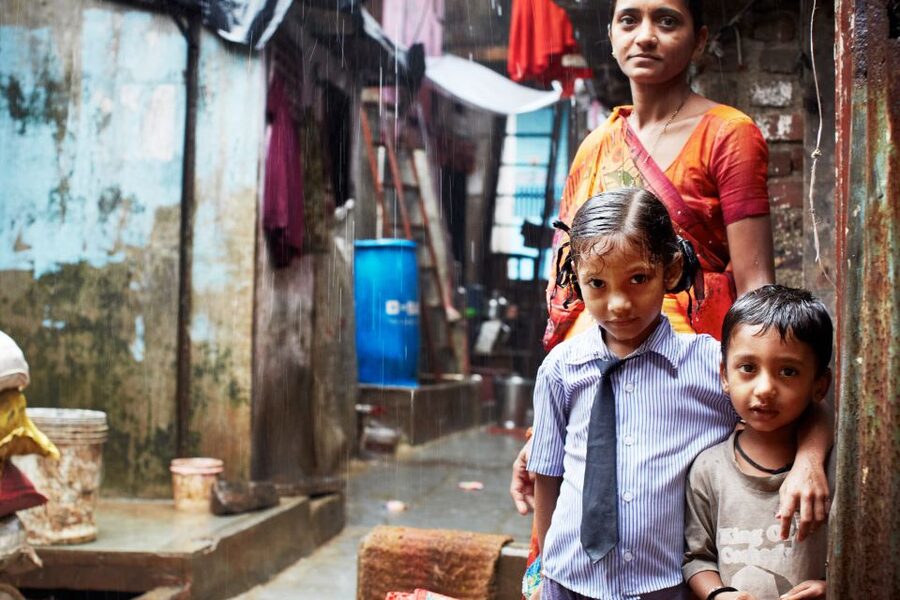
Dharavi is real life, not a theme park. On this respectful Dharavi walking tour in Mumbai, an English-speaking guide leads a small group through working lanes, workshops, and community spaces, with a safety briefing and a rooftop viewpoint.
I like the small group format, up to 6 people, and how guides such as Leena and Rishi keep the walk thoughtful and community centric. I also like that the tour design points your 80% toward education, since most of the profit is reinvested in learning initiatives.
Because you move through tight alleys, it can feel hot and claustrophobic, so plan for close quarters and go in with the right mindset. tight alleys
In This Review
- Key things to know before you go
- Why this Dharavi walk feels more real than most city tours
- The best choice: lunch with a family or an art-focused street walk
- Your 2.5 to 3.5 hour route, stop by stop
- 1) Starting point and safety briefing
- 2) A viewpoint stop for orientation
- 3) Navrang Compound, a guided walk through the working community
- 4) Gokulam Store, a shorter stop with time to observe
- 5) Reality Gives- Mumbai, a brief class moment
- 6) Kumbhar Wada and a self-guided stretch
- 7) Another class segment
- 8) Lunch option, if you choose it
- Drop-off back at the tour base area
- What you actually learn by seeing recycling, leather, pottery, and more
- Respect, privacy, and clothing rules that keep things comfortable
- Price and value: how $20 turns into access plus impact
- Who this Dharavi tour suits best
- Should you book the Dharavi slum walking tour with options?
- FAQ
- How much is the Mumbai Dharavi walking tour?
- How long does the tour take?
- Where do I meet the guide?
- Is lunch included?
- What is included in the tour ticket?
- Is the tour guide available in English?
- Are photos allowed during the tour?
- What should I wear?
- Can I bring a baby stroller or use a wheelchair?
- Does the tour contribute to the community, and how?
- What if I need to cancel or change plans?
Key things to know before you go
- Small groups of up to 6 help your guide manage conversations and crowd flow.
- A non-intrusive, community centric approach focuses on work, not spectacle.
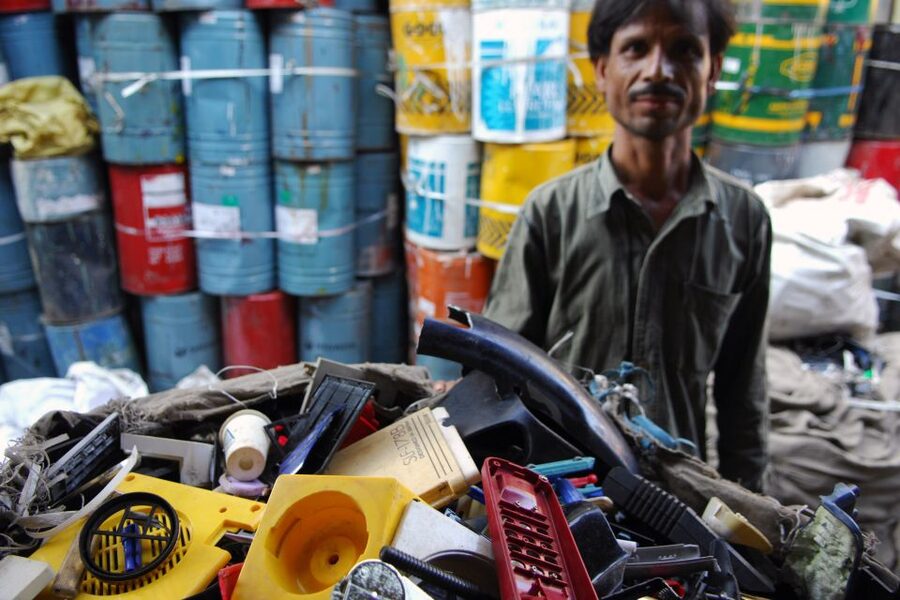
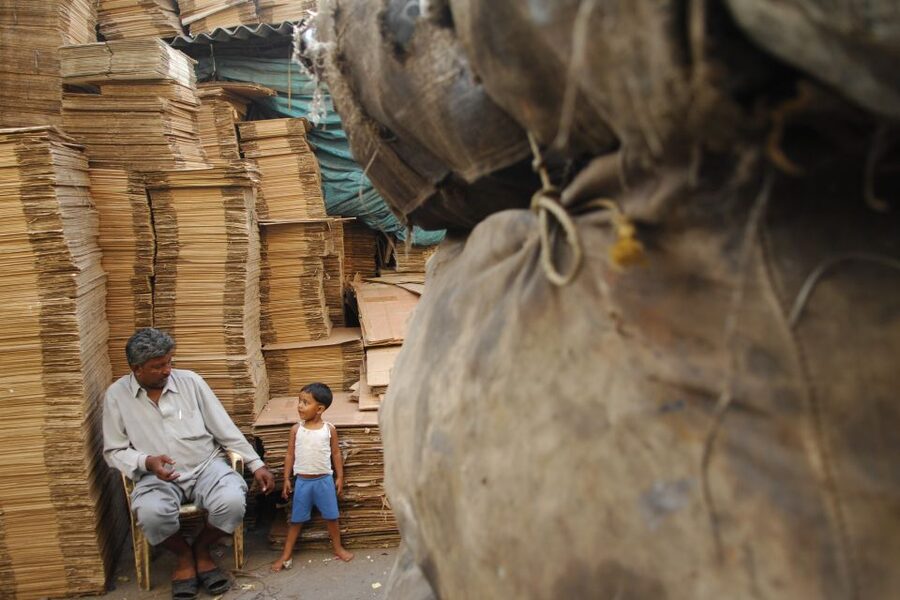
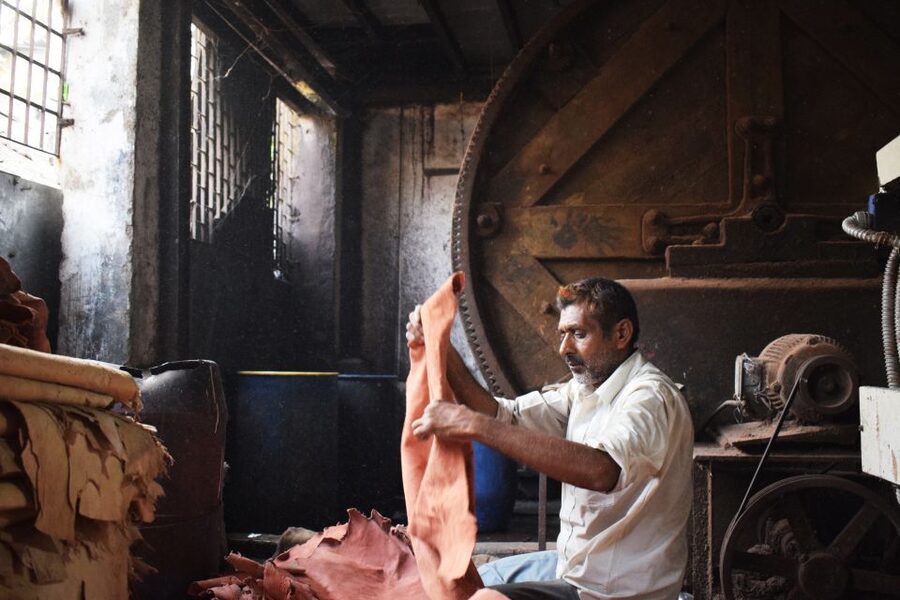
- Craft and industry stops can include recycling, pottery-making, embroidery, bakery items, soap making, leather tanning, and poppadom-making.
- Rooftop viewpoint gives a sense of scale over the settlement.
- Strict no-photography rule protects residents’ privacy.
- 80% of profits support education, so your ticket backs community learning.
Mumbai, a few more routes through it
Why this Dharavi walk feels more real than most city tours
Dharavi has a reputation that travels faster than the truth. This walking tour tries to slow things down and replace stereotypes with context: how people make a living, how entrepreneurship grows in tight spaces, and how newcomers settle and build businesses over time.
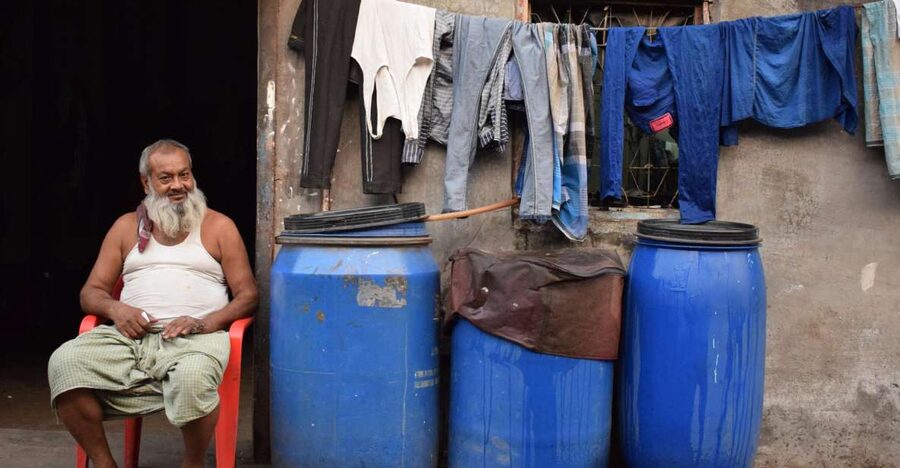
I like that the tour treats Dharavi as a living economy, not an exhibit. You get to observe real work happening around you, and you also get the bigger picture, including the challenges migrants face and how those pressures shape everyday life. The pace is designed to keep it respectful, with a guide who can explain what you are seeing and why it matters.
The vibe is also less dramatic than what outsiders often expect. It is not about shock value. It is about understanding, with time to move through maze-like alleys, stop for conversations, and learn how community initiatives benefit from the tour’s model.
The best choice: lunch with a family or an art-focused street walk
One of the reasons I think this experience is good value is that it offers options that change how you connect with the neighborhood.
If you pick the lunch option, the tour includes a meal where a family opens their home to you. You should expect regional food, and the lunch segment runs about 35 minutes. This is more than a quick bite. It is a chance to see how hospitality works inside a working community.
If you pick an art-focused street walk, you will spend time exploring artwork around the area and learning what it means. This option fits well if you want a more visual layer of the neighborhood, and you like your cultural context delivered by someone who understands the local story.
Either way, you are spending your time with a guide rather than wandering alone. That matters in Dharavi, where the details of daily life are easy to miss when you are just trying to get from point A to point B.
Your 2.5 to 3.5 hour route, stop by stop
The tour runs about 2.5 to 3.5 hours, with walking plus guided stops. There are multiple starting points, and the exact meeting location can vary depending on what option you book. From there, the flow is built around orientation first, then deeper looks at work and community life.
Here is what the route feels like, in the order you will experience it:
Other Dharavi walks, guides named
- Mumbai: Dharavi Slum, DhobiGhat, and Dabbawallas Tour★ 4.9 · 689 reviews
- Dharavi Slum Tour★ 5.0 · 625 reviews
- Dharavi Slum tour in Mumbai by local resident★ 5.0 · 572 reviews
- Mumbai: Dharavi Slum Slumdog Millionaire Tour with a Local★ 4.9 · 529 reviews
- Mumbai Slum Tour – Visit Dharavi Slum with Local Guide★ 5.0 · 509 reviews
1) Starting point and safety briefing
You start from one of three locations: Churchgate, Mahim Junction Railway Station, or Mahim railway station. After regrouping, there is a safety briefing before you head into the lanes.
That briefing is not just for rules. It helps you set your expectations for narrow paths, everyday movement, and how to keep your actions low-key around residents. The goal is to keep the walk comfortable and safe while still allowing you to see the real neighborhood.
You also begin with the basic comforts included in the ticket, such as water or a cold drink, which is a small detail that makes a long walk feel more doable.
2) A viewpoint stop for orientation
Early on, you visit a viewpoint for a guided look over Dharavi. This matters because Dharavi can feel disorienting at ground level. A view from above helps you connect what you hear and see on the street to the bigger layout, so later, when you move through the maze-like alleys, the scale makes more sense.
Even if you have seen photos, a real overhead perspective adds a layer that is hard to get any other way.
3) Navrang Compound, a guided walk through the working community
Next you head to Navrang Compound, with about 30 minutes allocated for passing by, guided touring, and sightseeing on foot.
This segment is where the tour starts to feel like a living place rather than a set of stops. You are not just looking at craft or shops in isolation. You are seeing how areas connect, where foot traffic moves, and how many different types of work can exist side by side.
If you like understanding neighborhoods as systems, this part is particularly useful.
4) Gokulam Store, a shorter stop with time to observe
Then you visit Gokulam Store for about 20 minutes. Expect guided touring and a short period to look around.
This stop is often a breather, but it still supports the larger story. You get to observe the kind of commerce that keeps the community running, from everyday goods to the supply chain that supports local production. It is a reminder that Dharavi’s economy is practical, organized, and continuously in motion.
5) Reality Gives- Mumbai, a brief class moment
After that, you visit Reality Gives- Mumbai for about 5 minutes, including sightseeing and a short class segment.
This is a key part of why the tour is worth your money. You are not only buying access to the neighborhood. You are also learning how the tour’s profits are tied to education initiatives, and how that support is designed to keep benefiting people after the walk ends.
Even in a short time window, this stop connects the walk to the tour’s impact model, so you can see where your ticket goes.
6) Kumbhar Wada and a self-guided stretch
Next is Kumbhar Wada, where you get a guided visit and then about 15 minutes of self-guided time.
This is one of the most important parts for your own comfort. A self-guided segment lets you absorb details at your own pace, without feeling like you are being rushed through someone else’s daily life. It also lets you ask your guide targeted questions if you see something you want explained.
Just remember, there is a strict no-photography policy during the tour, so keep your eyes and your notebook handy, not your camera.
7) Another class segment
You then have a class segment of about 20 minutes. This is built into the tour to add context rather than leaving you with only impressions.
In my view, this is where the tour helps you connect the dots. You learn how migrants settled here, how entrepreneurship took hold, and how the area functions as a microcosm of India, with diversity visible in temples, mosques, churches, and pagodas standing near one another.
It is hard to get that layer from quick street sightseeing alone.
8) Lunch option, if you choose it
If you selected the lunch option, this is where the tour includes a meal, about 35 minutes. You get regional food in a setting where a family opens their home to you.
This segment is a nice counterweight to the earlier walking. It gives your brain a moment to settle. It also turns the story into something you experience, not just something you hear.
Drop-off back at the tour base area
The tour ends with drop-off options at the Reality Tours & Travel – Dharavi area in Sion, Mumbai.
What you actually learn by seeing recycling, leather, pottery, and more

The industries you might spot are part of the point. Dharavi is often described as one large slum, but on the ground, it looks like thousands of overlapping workshops.
You can expect to observe businesses tied to work such as recycling, pottery-making, embroidery, bakery activity, soap making, leather tanning, and poppadom-making. The tour approach helps you understand why these industries exist here, how they operate, and what they mean for the people who depend on them.
I like that the guide does not frame this as poverty or as romance. It is framed as entrepreneurship under pressure, where profits are reinvested in business and, importantly, in community education.
There is also a strong effort to debunk stereotypes. Instead of treating the neighborhood as a single story, you learn about the diversity of people and the way communities form when migrants settle and build livelihoods.
Respect, privacy, and clothing rules that keep things comfortable
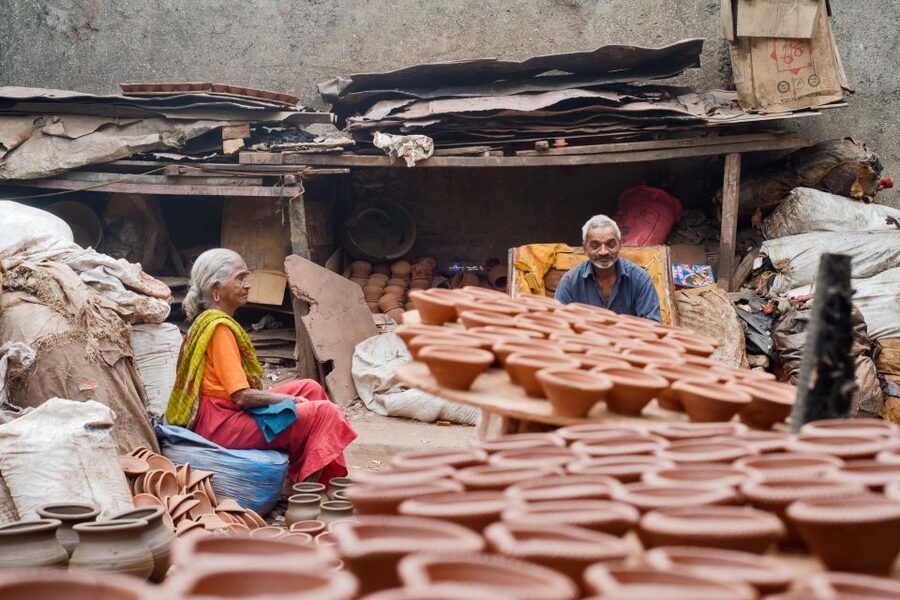
This tour is designed to be respectful and community centric, which shows up in very practical rules.
Here is what to plan for:
- No photography policy. It is strict, and it is there for privacy of local residents. Bring your attention, not a camera.
- Modest clothing is required. Avoid low-cut or sleeveless tops and do not wear short shorts.
- Closed-toe walking shoes matter. Parts of the route can be dirty, especially during monsoon months (June to mid September).
The tour also notes that baby strollers are not allowed and that it is not suitable for wheelchair users. If either of those affects your planning, you will want to look for a different way to experience Mumbai.
Finally, you should expect small group pacing. With groups of up to 6, you should be ready for conversation and for your guide to manage movement around local activity.
Price and value: how $20 turns into access plus impact
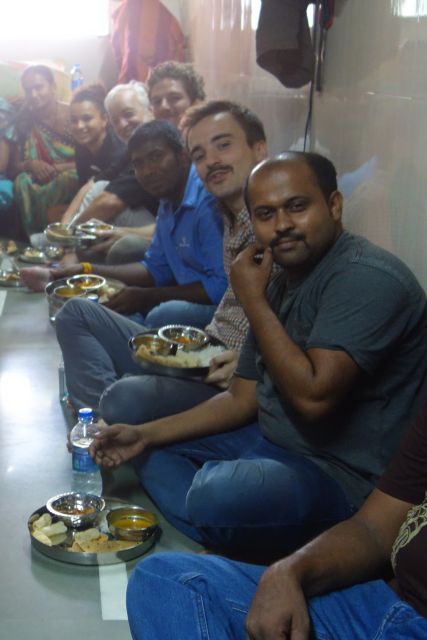
At about $20 per person, this Dharavi walking tour is priced like a budget activity. What makes it feel like good value is what is included and how the money is used.
Your ticket includes:
- a local English speaking guide
- water or a cold drink
- lunch if you choose that option
But the bigger value is the model behind it. The tour design reinvests 80% of profits into educational community initiatives. That means the experience is not just about watching from the outside. It is structured so your participation supports learning opportunities.
If you care about where your money goes, this is one of the clearest ways to connect your time in Mumbai to a local benefit.
Who this Dharavi tour suits best
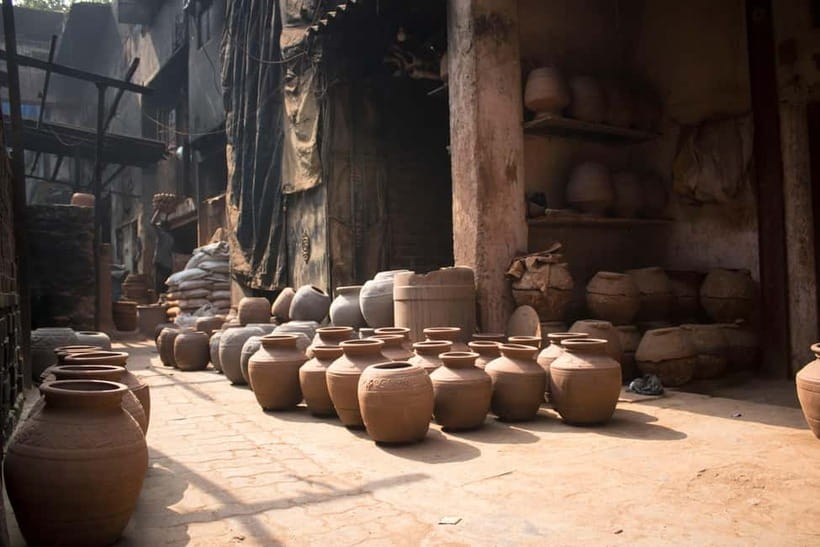
This tour is a strong fit if you:
- want to understand Dharavi as a working economy and not just a headline
- like a guide-led walk where you can ask questions as you go
- prefer small group pacing
- want context on how migrants settle and build businesses
- care about ethical touring tied to education support
It might be less comfortable if you:
- feel uncomfortable with tight, crowded alleys
- get overwhelmed in hot conditions
- need wheelchair access or stroller-friendly routes
Even people who are okay with basic walking should go in prepared for closeness and for the practical reality of a working neighborhood.
Should you book the Dharavi slum walking tour with options?
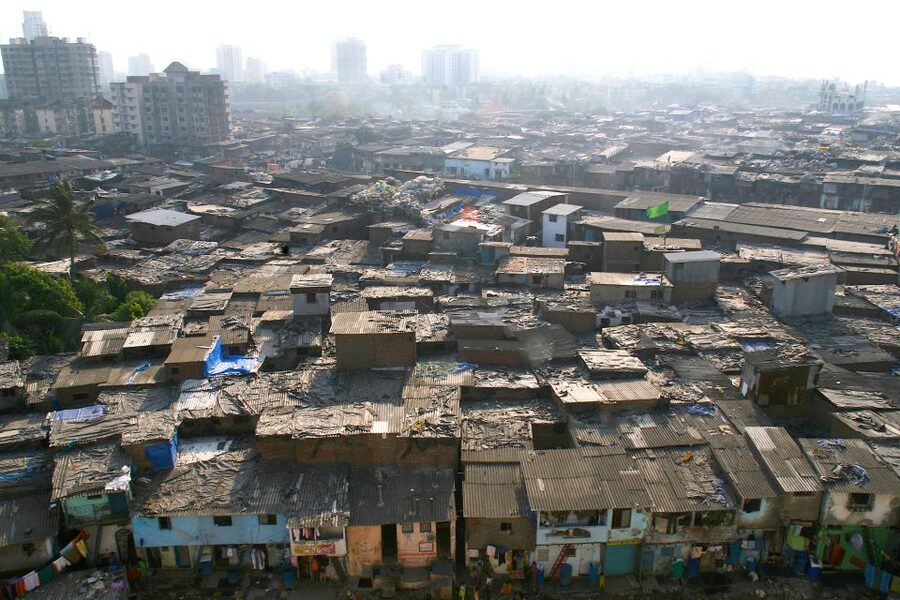
I would book this tour if your goal is real understanding, not a quick spectacle. The small group size, the community centric approach, the guided structure, and the 80% profit reinvestment into education make it feel purposeful in a way that many tours do not manage.
Choose the lunch option if you want a home-cooked, human moment to balance the walk. Choose the art-focused street walk if you want a more creative lens on community expression.
Just be honest with yourself about comfort. The route is tight, and there is a strict no-photography policy, so you need to come ready to watch and listen instead of shoot and scroll. If that sounds like your kind of travel, this is a compelling way to spend a half day in Mumbai.
FAQ
How much is the Mumbai Dharavi walking tour?
The price is listed as $20 per person.
How long does the tour take?
The duration is 2.5 to 3.5 hours.
Where do I meet the guide?
The meeting point can vary based on the option booked. Starting locations listed include Churchgate, Mahim Junction Railway Station, and Mahim railway station.
Is lunch included?
Lunch is included only if you choose the lunch option. If you do not select lunch, it is not included.
What is included in the tour ticket?
Included are a local English speaking tour guide and water or a cold drink. Lunch is included only if you choose the lunch option.
Is the tour guide available in English?
Yes, the tour is conducted with a live English speaking guide.
Are photos allowed during the tour?
No. The tour has a strict no-photography policy to respect the privacy of local residents.
What should I wear?
Wear modest clothing, with no low-cut or sleeveless tops and no short shorts. Wear comfortable closed-toe walking shoes, since some areas can be dirty, especially during monsoon months.
Can I bring a baby stroller or use a wheelchair?
Baby strollers are not allowed. The tour is not suitable for wheelchair users.
Does the tour contribute to the community, and how?
The tour states that 80% of profits are reinvested in educational community initiatives.
What if I need to cancel or change plans?
The activity offers free cancellation up to 24 hours in advance for a full refund. It also offers reserve now & pay later, meaning you can book without paying today.
More Dharavi Walks with Local Guides




Mumbai, Keep Exploring




Recently reviewed across Mumbai
- Mumbai City Sightseeing Guided Tour on a Bicycle
★ 5.0 · 10 reviews - Mumbai Street Food & Beach Tour with 10+ Tastings
★ 5.0 · 10 reviews - Mumbai Market Tour & Maharashtrian Cooking Class with Chef Reshma
★ 4.5 · 10 reviews - Sailing Experience in Mumbai on Mid Size Yacht
★ 5.0 · 10 reviews - 3 Days Complete Mumbai Tour Inclusive of Bollywood Studio Experience
★ 5.0 · 10 reviews - Dharavi Slum Tour
★ 5.0 · 10 reviews
Mumbai City Tours, compared.
 ★ 4.9Full-Day Sightseeing Tour of MumbaiFrom $241,822 reviews
 ★ 5.0Group Guided Walking Tour in Fort and ColabaFrom $161,073 reviews
 ★ 4.8Elephanta Caves Half-Day Guided Tour with ExpertFrom $301,032 reviews
 ★ 5.0Highlights of Mumbai Sightseeing Tour: TRAVELLERS CHOICE AWARDEDFrom $33915 reviews
 ★ 5.0Private Guided Walking Tour in Fort & ColabaFrom $36895 reviews
 ★ 4.9Street Food and Night Markets TourFrom $13719 reviews
 ★ 4.9Dharavi Slum, DhobiGhat, and Dabbawallas TourFrom $14689 reviews
 ★ 5.0Highlights of South Mumbai Guided Private Tour in AC VehicleFrom $74620 reviews
Browse the lists this tour appears in