
REVIEW · MUMBAI CITY TOURS
Mumbai: Private Dharavi Slum Tour by a Local with Pickup
This tour changes your mental map of Mumbai. In just 2 hours, a Dharavi local English guide takes you through the place where people live, work, and raise families, with real context beyond the headlines.
I like two things most: the first is seeing daily life explained by someone who actually lives there, and the second is walking past working industries that keep the neighborhood moving.
I also love how the tour can include sights tied to plastic recycling and other trades, so Dharavi stops feeling like an idea and starts feeling like a functioning community. You may even visit a Slumdog Millionaire filming spot inside Dharavi, which helps you compare movie portrayals with what you’re seeing in person.
One possible drawback: the topic can be emotionally intense for some people, and 2 hours can feel short if you ask lots of questions.
In This Review
- Key things to know before you go
- Why a Dharavi tour with a resident guide changes everything
- Pickup in Mumbai, and the practical side of getting there
- Inside Dharavi: homes, school stops, and everyday rhythms
- The working economy you can actually see: recycling, textiles, and leather
- Slumdog Millionaire filming inside Dharavi, and what to watch for
- Safety, respect, and how to get the most from your guide
- Price and value: what $14 buys for 2 hours, privately
- How to plan your day around the 2-hour format
- Who this Dharavi tour is for
- Should you book this private Dharavi tour?
- FAQ
- How long is the Dharavi tour?
- Is this a private tour or a group tour?
- What language is the guide?
- Does the price include pickup and drop-off?
- Are entrance fees included?
- Is food included during the tour?
- Do I get a water bottle?
- What does the tour focus on inside Dharavi?
- Is cancellation available if plans change?
Key things to know before you go
- Local English guide from Dharavi means you get answers grounded in daily life, not guesses.
- Home, work, and play in one walk shows how tightly life and livelihoods are connected.
- Working industries you can see up close include plastic recycling, garment and textile work, leather work, and more.
- Slumdog Millionaire filming location gives you a chance to compare film scenes with real neighborhoods.
- Transport quality is a big deal since pickup, drop-off, and getting there smoothly are part of the experience.
- Small moments add up like a quick restroom stop and the chance to spot animals moving through lanes.
Mumbai, a few more routes through it
Why a Dharavi tour with a resident guide changes everything
Dharavi is one of those places the world thinks it already understands. Then you step in, and the story gets complicated fast. What makes this experience stand out is simple: you do not arrive with a script from outside. You go with a guide who lives there, and that changes the tone of the whole walk.
I like that the tour is built to dispel stereotypes and replace them with details you can actually picture: where families spend time, how daily routines work, and what kinds of businesses run along the lanes. You are not only looking. You are learning what people do to earn a living, how work and community overlap, and why the neighborhood runs on practical skills.
Guides can vary, and you might be led by someone like Alkama, Faizan, Abi, Frazen, or Mohammad, depending on the day. In many cases, the guide’s command of English is a highlight, because it means your questions get answered clearly and in context.
Pickup in Mumbai, and the practical side of getting there
This tour includes hotel pickup and drop-off in Mumbai, which matters more than it sounds. Dharavi is not a place you want to wrestle with on your own after a long travel day. Instead, someone meets you and handles the logistics so you can focus on the actual experience.
On the route, some groups also use Mumbai’s transit in a way that feels local. For example, one itinerary-style approach described a taxi ride to the station and then a local train for part of the trip. Even if your specific route differs, the key point is that the transport setup is designed to be efficient and smooth.
If you are coming from an airport or cruise terminal, you should expect a straightforward meet-up at the end of immigration, with staff standing with a name board. The tour keeps things simple so you spend less time searching and more time walking.
Inside Dharavi: homes, school stops, and everyday rhythms
Once you’re in Dharavi, the experience becomes about texture. This is not a quick drive-by photo stop. You walk with your guide through areas where you can see how people live and how family life fits into a working environment.
You should expect to see:
- where people live and spend time at home
- children playing and people relaxing in shared spaces
- community areas where routines overlap
- an example of local institutions, since a school stop has been mentioned
A recurring theme from guides is that life here has its own rhythm. At first, the density and activity can feel like chaos. But with a local guide explaining what you’re seeing, it starts to read like a system. Everyone seems to have a role, and the neighborhood functions because work, trade, and community life are tightly linked.
You might also make a stop for restroom access, which is a small detail that makes the whole experience easier to handle. And depending on the day, you may notice animals moving through lanes, such as goats, sheep, or other animals described by past visitors. That’s part of the lived-in reality, not a show.
Other Dharavi walks, guides named
- Mumbai: Dharavi Slum, DhobiGhat, and Dabbawallas Tour★ 4.9 · 689 reviews
- Dharavi Slum Tour★ 5.0 · 625 reviews
- Dharavi Slum tour in Mumbai by local resident★ 5.0 · 572 reviews
- Mumbai: Dharavi Slum Slumdog Millionaire Tour with a Local★ 4.9 · 529 reviews
- Mumbai Slum Tour – Visit Dharavi Slum with Local Guide★ 5.0 · 509 reviews
The working economy you can actually see: recycling, textiles, and leather
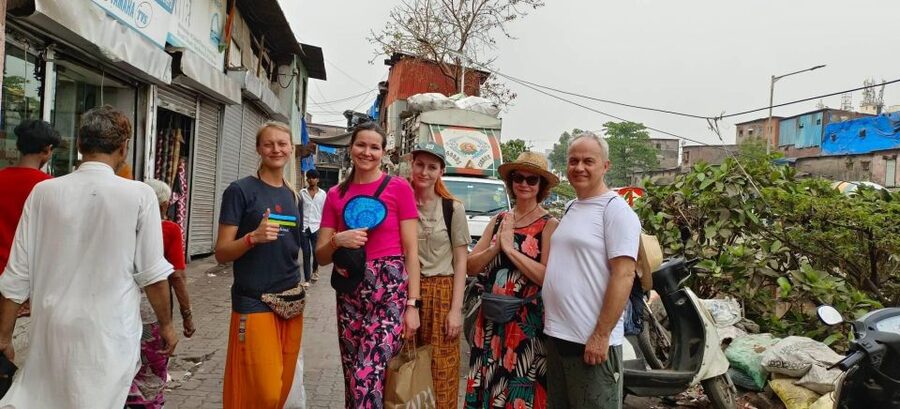
The biggest reason to take this tour is what you learn about the neighborhood’s economy. Dharavi is often described in dramatic terms, but the reality is jobs, tools, workflows, and constant sorting, repairing, producing, and moving materials.
The tour is designed around the trades people do here, including:
- plastic recycling and related sorting work
- garment and textile production
- leather work
- and additional small-scale industries that can include production tied to luggage and other goods
What hits you is how the work is both practical and highly organized. Workshops can look noisy and busy, but your guide helps you understand why they’re set up the way they are: materials come in, goods are processed in steps, and different tasks run side by side. You also get a sense that skills are passed down, and work is often family-based or community-based.
The information shared during the tour also frames Dharavi’s economic scale. The local economy is described as around US$1 billion per year. Even if you take that as a ballpark, it signals that this is not “overflow” housing. It’s an industrial ecosystem.
Slumdog Millionaire filming inside Dharavi, and what to watch for
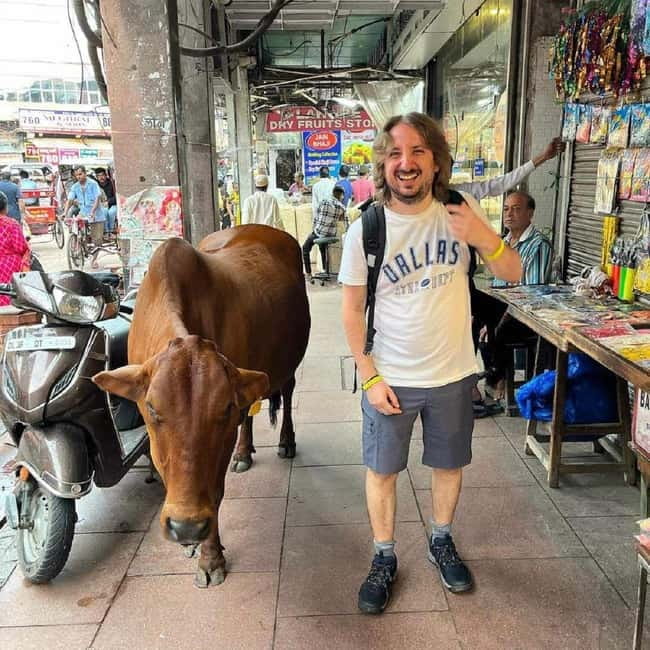
It’s one thing to have a place referenced in a film. It’s another to walk there and judge it with your own eyes. This tour includes a visit connected to Slumdog Millionaire, with the stop placed inside Dharavi.
I like this part because it encourages a more grounded comparison. You can ask yourself what the movie captured, what it simplified, and what it skipped. More important, you see the area as a living neighborhood, not just a set.
The real value is not movie trivia. It’s the chance to reduce the gap between what the world thinks Dharavi is and what the place actually looks and feels like in real time.
Safety, respect, and how to get the most from your guide
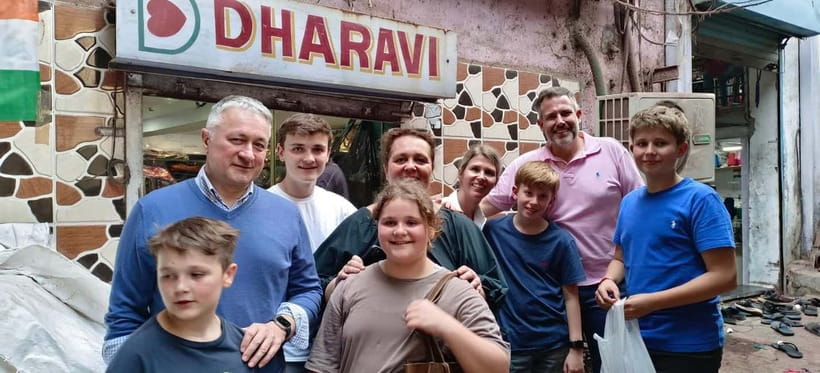
You will hear the word slum a lot, and it can land harshly. This tour is intentionally designed to avoid that kind of judgment. It’s positioned as completely safe to visit inside and around, and the reason is the way it’s run: you go with residents, and the tour follows local norms.
To get the most value, keep your mindset practical:
- Treat the area like a neighborhood, not a museum
- Ask your questions in a way that invites explanation, not a debate
- Move slowly where your guide slows down, and listen when they explain a workspace
Also, I’d recommend thinking of the tour as a conversation, not a checklist. The best moments tend to come when you stop fixating on what looks unusual and start focusing on what people are doing, why it matters, and how the community supports itself.
Price and value: what $14 buys for 2 hours, privately
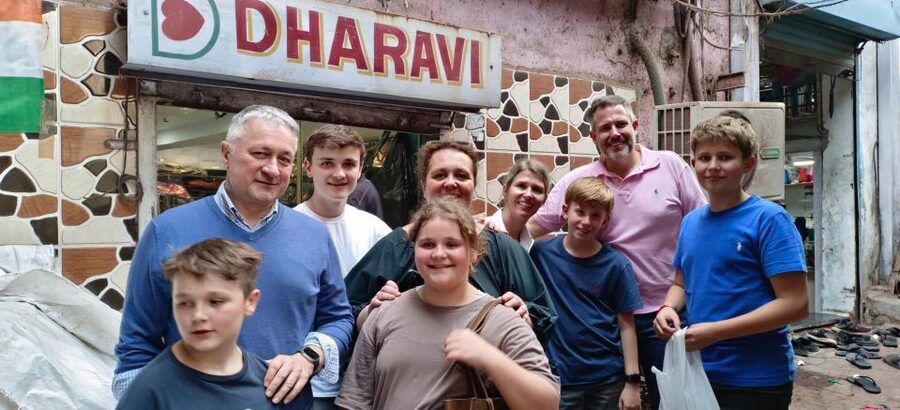
Let’s talk value, because this is where the tour makes a strong case.
The price is listed at $14 per person for 2 hours, and you’re not doing a group bus ride with strangers. It’s a private group setup, with a local English-speaking guide, plus:
- hotel pickup and drop-off
- all entrance or entry fees
- a water bottle
Food is not included, so plan on your meal either before or after. But even with that, the deal is hard to ignore, especially for a guided visit that includes transport and local interpretation.
The other quiet value is time. With pickup included, you avoid wasting your day figuring out how to get there safely and efficiently. And because transport has been rated extremely well, you’re less likely to get the “long scramble” feeling that can ruin a short outing.
How to plan your day around the 2-hour format
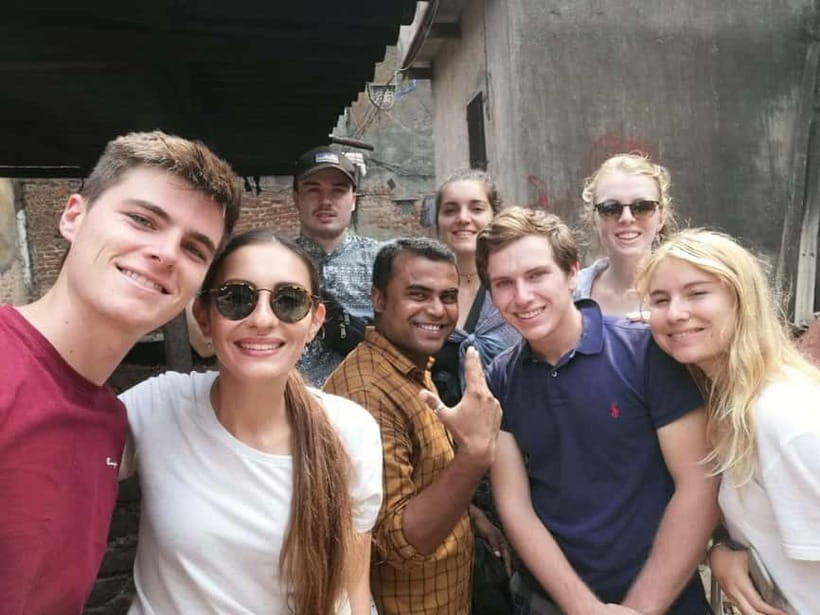
Two hours sounds short, but it can be perfect in a place like this. The pacing is usually enough to see work areas, residential areas, and key points of interest without dragging you through information overload.
That said, you should come with a clear mindset:
- You’re getting an orientation to life and work here, not a full replacement for reading everything about Mumbai.
- If you want deep conversations, choose your questions well and ask early, because time passes quickly.
Comfort matters too. Bring what you’d bring for city walking, plus a little flexibility. You may encounter crowded lanes, busy workshop zones, and changing light. A water bottle is included, but you’ll still feel better with comfortable shoes and a calm pace.
Who this Dharavi tour is for
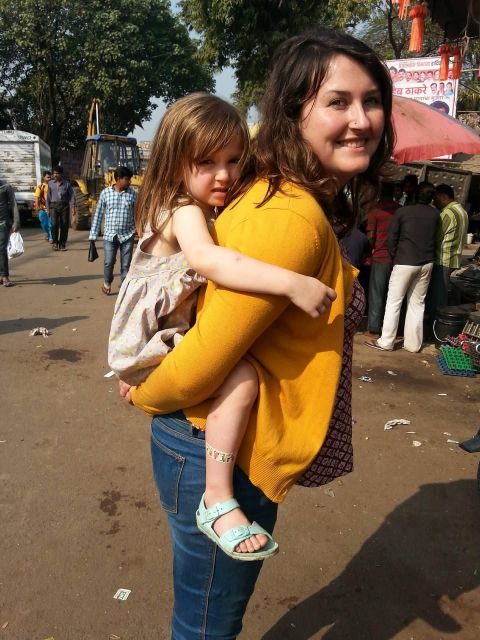
This tour fits best if you want:
- an authentic view that challenges stereotypes
- practical information about work, trade, and daily life
- a guided experience where questions are welcomed
- a budget-friendly private option with pickup
It might not be the right pick if your goal is a postcard-style sightseeing day or if you want a very long deep study. Also, if sensitive topics make you uncomfortable, give yourself a moment to decide if you’re ready for a real look at how people live with limited choices.
Should you book this private Dharavi tour?
If you’re curious and you prefer learning from people who live the story, I’d book it. The combination of local English guides (examples include Alkama, Faizan, Abi, Frazen, and Mohammad), hotel pickup, and an itinerary that focuses on real life and real work makes it a strong value at $14 for 2 hours.
Choose this tour when you want to see Dharavi as a working community, not just a label. And do it with respect. Ask good questions. Keep an open mind. You’ll leave with details that stick, because you saw how the neighborhood breathes.
FAQ
How long is the Dharavi tour?
The tour duration is 2 hours.
Is this a private tour or a group tour?
It is a private group tour.
What language is the guide?
The tour includes a local English-speaking guide.
Does the price include pickup and drop-off?
Yes. Hotel pickup and drop-off are included.
Are entrance fees included?
Yes. All entrance or entry fees are included.
Is food included during the tour?
No. Food and drinks are not included.
Do I get a water bottle?
Yes. A water bottle is included.
What does the tour focus on inside Dharavi?
You’ll see where people live, work, and play, and you’ll also see industries such as plastic recycling, garment and textile work, leather work, and more. The tour also aims to dispel stereotypes.
Is cancellation available if plans change?
Yes. There is free cancellation up to 24 hours in advance for a full refund.
More Dharavi Walks with Local Guides





Mumbai, Keep Exploring





Recently reviewed across Mumbai
- Mumbai City Sightseeing Guided Tour on a Bicycle
★ 5.0 · 10 reviews - Mumbai Street Food & Beach Tour with 10+ Tastings
★ 5.0 · 10 reviews - Mumbai Market Tour & Maharashtrian Cooking Class with Chef Reshma
★ 4.5 · 10 reviews - Sailing Experience in Mumbai on Mid Size Yacht
★ 5.0 · 10 reviews - 3 Days Complete Mumbai Tour Inclusive of Bollywood Studio Experience
★ 5.0 · 10 reviews - Dharavi Slum Tour
★ 5.0 · 10 reviews
Mumbai City Tours, compared.
 ★ 4.9Full-Day Sightseeing Tour of MumbaiFrom $241,822 reviews
 ★ 5.0Group Guided Walking Tour in Fort and ColabaFrom $161,073 reviews
 ★ 4.8Elephanta Caves Half-Day Guided Tour with ExpertFrom $301,032 reviews
 ★ 5.0Highlights of Mumbai Sightseeing Tour: TRAVELLERS CHOICE AWARDEDFrom $33915 reviews
 ★ 5.0Private Guided Walking Tour in Fort & ColabaFrom $36895 reviews
 ★ 4.9Street Food and Night Markets TourFrom $13719 reviews
 ★ 4.9Dharavi Slum, DhobiGhat, and Dabbawallas TourFrom $14689 reviews
 ★ 5.0Highlights of South Mumbai Guided Private Tour in AC VehicleFrom $74620 reviews
Browse the lists this tour appears in