
REVIEW · MUMBAI CITY TOURS
Mumbai: Private Dhobi Ghat Laundry & Slum Tour with Pickup
Two laundry lines, two very different worlds. This private tour strings together Dhobi Ghat‘s open-air wash culture and Dharavi‘s everyday work, homes, and trades, all guided by locals. It also aims to smash stereotypes by showing real routines up close, in a way that is said to be safe.
I love the convenience of hotel pickup and drop-off, so you lose less time and worry less about directions. I also love that you get an English-speaking guide, which matters here, because context is the difference between gawking and understanding.
One possible drawback to plan for is the tour can include emotional scenes and hard working realities. Go in with respect and an open mind, not a box-ticker mindset.
In This Review
- Key Things You’ll Notice on This Tour
- What This Dhobi Ghat and Dharavi Tour Actually Reveals
- Hotel Pickup and the Right Way to Travel Through Mumbai
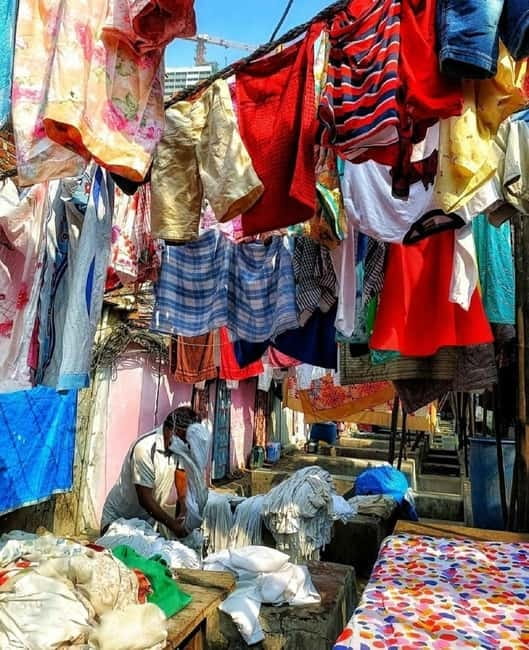
- Dhobi Ghat: The World’s Largest Open-Air Laundry Yard
- Entering Dharavi With a Local English Guide First
- Homes, Play, and Work: The Dharavi Day-to-Day You Can See
- Plastic Recycling, Leather, Garments, and Metal Industries
- The Slumdog Millionaire Filming Stop, Without the Movie Spin
- Safety, Respect, and How to Ask Better Questions
- Price and Value at About $19 Per Person
- Who Should Book This Tour (and Who Might Want a Different Fit)
- Should You Book? My Decision Guide
- FAQ
- How much does the Dhobi Ghat and Dharavi private tour cost?
- What’s included in the tour?
- What will I see during the tour?
- Is the tour safe?
- What language is the guide?
- Can I pay later or cancel if plans change?
Key Things You’ll Notice on This Tour
- Dhobi Ghat’s open-air laundry system, operating for over a century
- Local access inside Dharavi, shown by residents rather than outsiders peeking from the curb
- Street-level industries, including plastic recycling, leather, garment and textile work, and metal trades
- A Slumdog Millionaire filming stop inside Dharavi, without movie make-believe
- A private, question-friendly pace, with one account mentioning a local train option
Mumbai, a few more routes through it
What This Dhobi Ghat and Dharavi Tour Actually Reveals
This tour is built around contrast. You start with the steady, rhythmic chaos of Dhobi Ghat, Mumbai’s famous open-air laundry yard. Then you shift to Dharavi, where everyday life continues with families, businesses, and community spaces right alongside work.
The goal is not to present Dharavi as a single story. It tries to show the good and bad sides in the same frame, so you leave with a more honest mental map of how people live and earn a living here.
You should also know the tone. This is a work-and-life visit, not a staged performance. That means you’ll see practical realities, like people processing materials and making products, and you’ll probably feel a mix of admiration and discomfort.
Hotel Pickup and the Right Way to Travel Through Mumbai
The tour includes hotel pickup and drop-off, plus a water bottle, so you can focus on the stops instead of logistics. That may sound basic, but in Mumbai, it’s a big deal. Less scrambling for transport means more time for the moments that actually matter.
It’s also a private tour, so you can ask questions without crowd pressure. One guide experience even included taking a local train rather than going fully by car, which can be a fun way to feel how locals move through the city.
Practical tip: if you’re choosing between comfort and local rhythm, ask your guide what route makes sense on the day. The best plan is the one that keeps your time with Dhobi Ghat and Dharavi uninterrupted.
Dhobi Ghat: The World’s Largest Open-Air Laundry Yard
Dhobi Ghat is famous for a reason. You’re looking at what is described as the world’s largest open-air laundry, and it has been operating for over a century. Clothes arrive from across Mumbai, including hotels, hospitals, hostels, and other places, brought by people who want clean linens and crisp shirts.
What makes this stop special is the scale and the visible workflow. You can literally watch laundry treated like a shift-based job. Washermen and women, called dhobis, work through the day to return clothes fresh and spotless.
There’s also a history angle, even if you don’t go deep into dates. You’re seeing a city function that has survived changing fashion and changing technology. This is Mumbai doing its daily work in public, in plain daylight.
A small consideration: open-air means you’re exposed to the real outdoor conditions of the day. Wear comfortable shoes and expect the environment to be busy.
Other Dharavi walks, guides named
- Mumbai: Dharavi Slum, DhobiGhat, and Dabbawallas Tour★ 4.9 · 689 reviews
- Dharavi Slum Tour★ 5.0 · 625 reviews
- Dharavi Slum tour in Mumbai by local resident★ 5.0 · 572 reviews
- Mumbai: Dharavi Slum Slumdog Millionaire Tour with a Local★ 4.9 · 529 reviews
- Mumbai Slum Tour – Visit Dharavi Slum with Local Guide★ 5.0 · 509 reviews
Entering Dharavi With a Local English Guide First

Dharavi is often talked about in headlines and movies, but this tour tries to bring you back to lived reality. You’ll go with a local English-speaking guide, and the way the visit is framed matters: you’re shown the area by residents, not through a tourist bubble.
Several guide experiences emphasize communication and reflection. The best guides here explain both the hard parts and the human parts, in a calm, mature way. That balance helps you keep your footing emotionally, so you can ask better questions.
This is also where the tour’s promise of safety comes in. The information provided says it is completely safe to visit inside and around, and that you’ll visit only through the lens of local residences as you move through the neighborhood.
Practical tip: when you’re with a local guide, ask what people want visitors to understand. You’ll learn faster than by watching alone.
Homes, Play, and Work: The Dharavi Day-to-Day You Can See
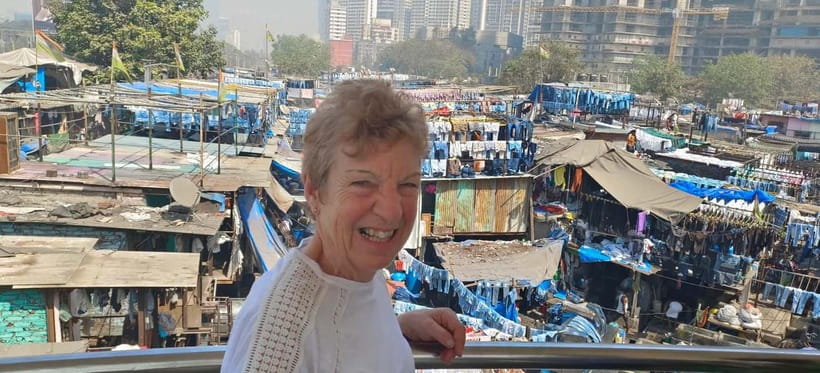
Dharavi is portrayed as Asia’s largest slum in the tour description, but the point here is what daily life looks like. You’ll see where people live, where families stay, where children play, and where people relax. You also see where businesses operate right in the same spaces.
This matters for your brain. If you only know Dharavi from film, it’s easy to picture it as one big tragedy. Instead, you’re looking at a system where people create income, build routines, and keep communities moving, even under tough conditions.
The tour description also notes that Dharavi’s “yearly income” is about 1 billion US dollars. Even if you treat that number as a broad estimate, it still signals the real takeaway: there is an active economy here, built on work that happens at street level.
One more thing I appreciate: the visit is framed to break stereotypes. You aren’t sent to a single point-and-gawk view. You’re guided through what’s ordinary for residents.
Plastic Recycling, Leather, Garments, and Metal Industries
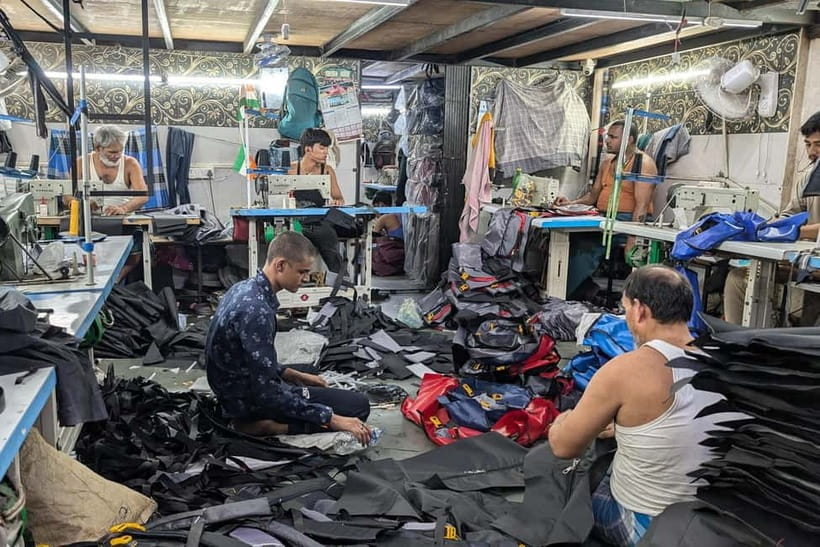
One of the most useful reasons to take this tour is the industries. You’ll see examples of plastic recycling, leather, garment and textile work, and metal trades. The idea is simple: when you understand the work, you understand the people’s survival strategies.
This part can be uncomfortable in a good way. You’re watching the mechanics of how materials move from discarded to productive. You get a clearer picture of what it means to make money through labor that is physical and time-sensitive.
And it’s not just “industry,” it’s also skills passed along. The tour’s tone is about work done daily, not heroic narratives. People are dealing with constraints, but they’re also building competence and output.
Practical tip: keep your camera policy in mind. Even if photography is possible, follow your guide’s lead and focus first on understanding, not documenting.
The Slumdog Millionaire Filming Stop, Without the Movie Spin
If you know Slumdog Millionaire, this will catch your attention immediately. The tour description says you’ll visit a place where the movie was filmed inside Dharavi, with more surprises along the way.
The real value is how you process it afterward. Movies compress locations into symbolism. Here, the guide context helps you see the filming spot as a regular part of the neighborhood, not a one-off set.
It’s also one reason the tour tries to dispel misconceptions. A film can make a place feel exaggerated, like it exists mainly for drama. On this visit, the stop is a jumping-off point to learn how the neighborhood functions beyond the cinematic frame.
If you’re a film fan, come for the reference. If you’re not, come because it still becomes an effective tool for learning what you’re seeing.
Safety, Respect, and How to Ask Better Questions
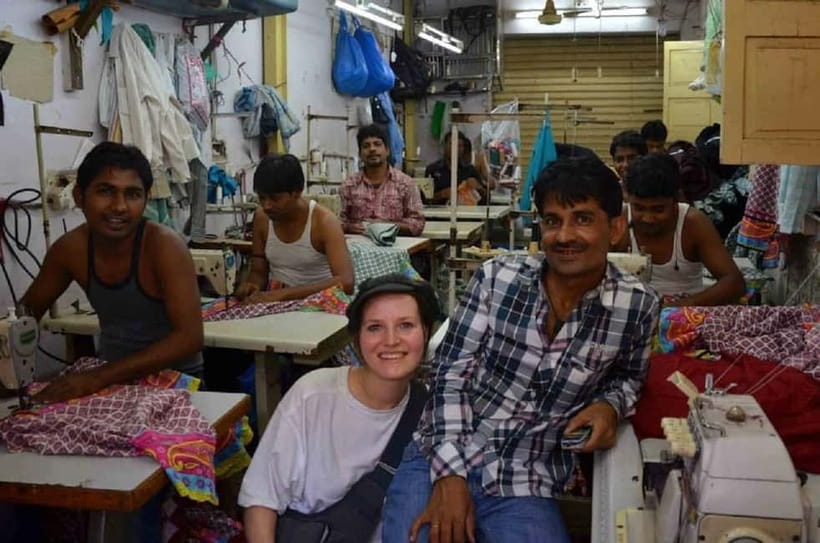
The tour information explicitly states that it is safe to visit inside and around, and that you’ll be taken through local residences. Still, safety isn’t just about physical risk. It’s also about behavior.
This kind of neighborhood visit works best when you treat it like meeting people’s daily lives. Dress in a way that lets you move comfortably. Keep your voice steady. Ask questions that show you’re trying to understand the system, not just the hardship.
From the guide feedback, what seems to matter most is communication. Guides like Alkama, Mohammad, and Mohamed are praised for strong English and for handling sensitive topics with maturity. That makes the conversation better for you, because you can get honest answers without awkward tension.
Practical tip: if you get overwhelmed, tell your guide. A good guide will adjust pacing so you can keep seeing and learning without rushing your emotional processing.
Price and Value at About $19 Per Person
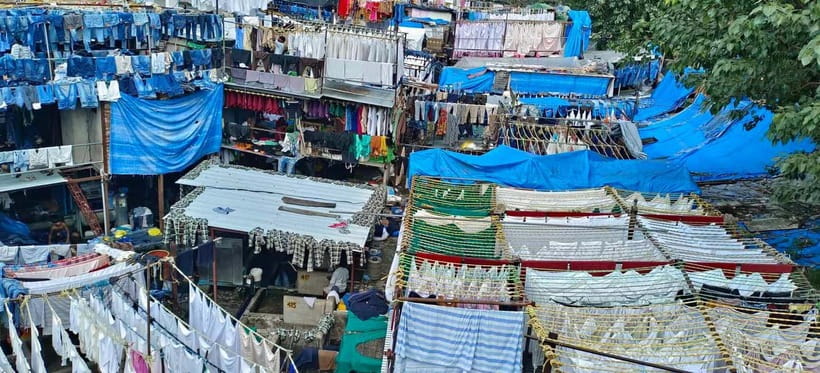
At $19 per person, this tour can feel like a bargain, especially because it includes more than just a guide. You get a private tour, local English-speaking guide, hotel pickup and drop-off, all entrance fees, and a water bottle.
Value is not only about price. It’s about what you’re paying for: access and context. Here, the context is the whole point. Visiting Dhobi Ghat and Dharavi without a guide who can translate routines and industries into understandable meaning would be far less effective.
It also helps that the tour is framed to break stereotypes. That’s important because Dharavi is one of those places where outsiders often arrive with pre-made ideas. A guide-led visit changes the experience from judgment to learning.
One consideration on value: this tour is intense in subject matter. If you want light sightseeing only, the price might not matter as much. But if you want to understand how city life works at human scale, the cost-to-impact ratio is hard to beat.
Who Should Book This Tour (and Who Might Want a Different Fit)
This tour is a great match if you:
- Want Dhobi Ghat specifically, not generic viewpoints
- Care about real work and real routines, including recycling and garment and leather industries
- Like guides who explain context in clear English
- Prefer a private pace where you can ask questions and take your time
It might be less ideal if you:
- Want a purely comfortable, low-emotion outing
- Dislike learning through hard realities
- Expect a “museum-style” experience with minimal sensory intensity
A nice bonus if you enjoy trains and local transport. One account notes that the guide took the group on a local train instead of default car travel, which can add an extra layer of Mumbai texture.
Should You Book? My Decision Guide
Book this tour if you want Mumbai with edges, not just postcards. The combination of Dhobi Ghat’s open-air laundry work and Dharavi’s homes, industries, and community spaces makes for a rare kind of contrast. It also sounds like the guides take communication seriously, especially with English, questions, and balanced framing.
Skip it if you’re looking for something strictly cheerful or if you get easily shut down by emotional or physical realities. This is a day where you learn, reflect, and come away changed in how you see the city.
If you do book, go with one mindset: curiosity with respect. That’s the formula that turns a difficult topic into a meaningful experience.
FAQ
How much does the Dhobi Ghat and Dharavi private tour cost?
The price is listed as $19 per person.
What’s included in the tour?
The tour includes a private experience, a local English-speaking guide, hotel pickup and drop-off, all entrance fees, and a water bottle.
What will I see during the tour?
You will visit Dhobi Ghat to see Mumbai’s open-air laundry, then Dharavi to see where people live, work, and play, including plastic recycling, leather work, garment/textile activities, metal industries, and a place where Slumdog Millionaire was filmed.
Is the tour safe?
The tour information states that it is completely safe to visit inside and around and that you will visit with local residents.
What language is the guide?
The tour is listed as English.
Can I pay later or cancel if plans change?
You can reserve and pay later, and cancellation is listed as free up to 24 hours in advance for a full refund.
More Dharavi Walks with Local Guides





Mumbai, Keep Exploring





Recently reviewed across Mumbai
- Mumbai City Sightseeing Guided Tour on a Bicycle
★ 5.0 · 10 reviews - Mumbai Street Food & Beach Tour with 10+ Tastings
★ 5.0 · 10 reviews - Mumbai Market Tour & Maharashtrian Cooking Class with Chef Reshma
★ 4.5 · 10 reviews - Sailing Experience in Mumbai on Mid Size Yacht
★ 5.0 · 10 reviews - 3 Days Complete Mumbai Tour Inclusive of Bollywood Studio Experience
★ 5.0 · 10 reviews - Dharavi Slum Tour
★ 5.0 · 10 reviews
Mumbai City Tours, compared.
 ★ 4.9Full-Day Sightseeing Tour of MumbaiFrom $241,822 reviews
 ★ 5.0Group Guided Walking Tour in Fort and ColabaFrom $161,073 reviews
 ★ 4.8Elephanta Caves Half-Day Guided Tour with ExpertFrom $301,032 reviews
 ★ 5.0Highlights of Mumbai Sightseeing Tour: TRAVELLERS CHOICE AWARDEDFrom $33915 reviews
 ★ 5.0Private Guided Walking Tour in Fort & ColabaFrom $36895 reviews
 ★ 4.9Street Food and Night Markets TourFrom $13719 reviews
 ★ 4.9Dharavi Slum, DhobiGhat, and Dabbawallas TourFrom $14689 reviews
 ★ 5.0Highlights of South Mumbai Guided Private Tour in AC VehicleFrom $74620 reviews
Browse the lists this tour appears in