
REVIEW · MUMBAI CITY TOURS
Mumbai Slum Tour –An insight of Dharavi Slum with Local Guide
A short walk through real Mumbai. This 2-hour Dharavi tour uses a local resident as your guide, so you see how work happens minute by minute, not just what outsiders assume.
I like that it focuses on hands-on industries like recycling, textiles, bakeries, and leather, with stories tied to daily life. I also like the responsible setup, including a small, guided route through narrow lanes and key community spaces.
One thing to consider: you are walking through active work areas, so you should expect tight passages, basic conditions, and a day-to-day rhythm that is not staged for sightseeing.
In This Review
- Key highlights you should know
- Why a Dharavi walking tour is worth your time
- Getting started smoothly: pickup, meeting point, and route flow
- Stop-by-stop in Dharavi: what you’ll see on the walk
- Plastic recycling units: waste turned into reused product
- Textile workshops: stitched, dyed, printed
- Bakeries making khari, bread, and local snacks
- Narrow lanes, homes, and places of worship
- Leather tanneries and export-quality goods
- Local markets for daily essentials and fresh produce
- Community schools and education or welfare work
- The value of $10.04: what you get for your money
- Safety and respect: what “responsible walking” looks like in practice
- Group size and the feel of the experience
- Who this tour is best for, and who should think twice
- Quick FAQ
- FAQ
- How long is the Mumbai Dharavi slum tour?
- Is an English-speaking guide included?
- Do I get bottled water?
- Is admission included in the price?
- Is pickup available?
- Where does the tour start and end?
- How large can the group be?
- What is the cancellation policy?
- Should you book this Dharavi guided walking tour?
Key highlights you should know
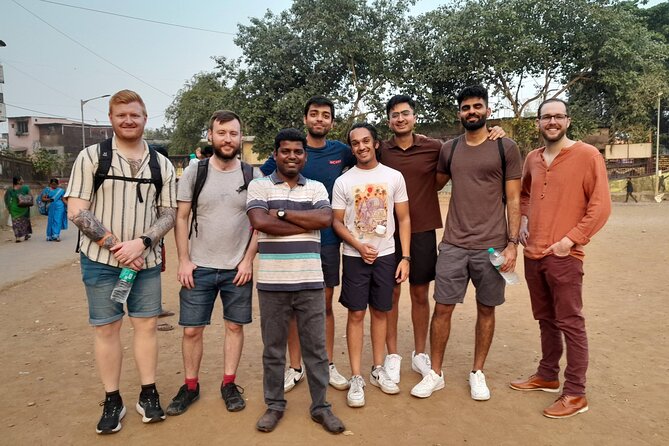
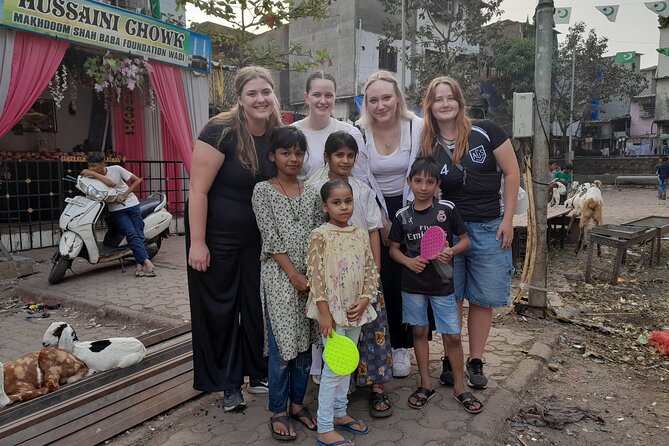
- Local resident guide with real context so you understand daily life beyond headlines
- Plastic recycling process you can actually see, from waste to reused products
- Textile, baking, and leather workshops showing small-scale production and export-quality work
- Narrow lanes with community landmarks including small homes, temples, and mosques
- Markets and education-focused stops that connect the neighborhood to everyday essentials and welfare
Mumbai, a few more routes through it
Why a Dharavi walking tour is worth your time
Dharavi is one of those places people talk about a lot, often badly. This style of tour works because it is built around observation and explanation, not sensationalism. You get a guided walk through the neighborhood’s working heart, where you can see how people turn raw materials into saleable goods.
The biggest win for me is the way the tour links everyday labor to real value. You are not only watching work, you are learning what kinds of skills show up here, how materials move through the process, and how the community supports itself. If you like travel that feels grounded and human, this is the kind that gives you answers fast.
A second big plus is that it is only about two hours. That matters in Mumbai. You do not have to commit to an all-day plan to get a meaningful snapshot. You can still pair it with other parts of the city without your feet feeling like they filed a complaint.
Getting started smoothly: pickup, meeting point, and route flow
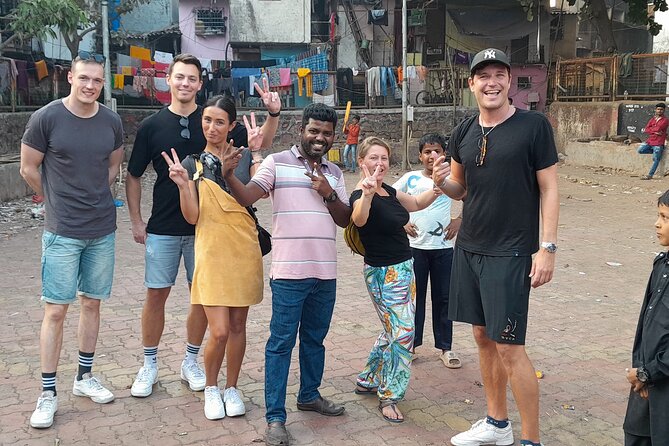
The tour meets at Third Wave Coffee on Tip Road (Ram Mahal, Senapati Bapat Marg, Marinagar Colony, Station, Mahim, Mumbai, Maharashtra 400016). From there, you head into Dharavi on foot with an English-speaking local guide.
Pickup is offered, which is a big deal if you are trying to avoid the usual time-drain of coordinating rides in a dense city. You also get a mobile ticket, so you should not be scrambling for paperwork at the last minute.
One practical note: you end at Kumbhar Wada, Dharavi, and the tour ends in their office area. Your guide helps you figure out transport back to where you need to go, like car, Uber, taxi, or train. That “wrap-up support” is genuinely helpful in a neighborhood where you may not want to wander around on your own.
Stop-by-stop in Dharavi: what you’ll see on the walk
This is a walking tour in Dharavi that moves through workshops, lanes, and community spaces. The stops below are the core areas you should expect to encounter.
Other Dharavi walks, guides named
- Mumbai: Dharavi Slum, DhobiGhat, and Dabbawallas Tour★ 4.9 · 689 reviews
- Dharavi Slum Tour★ 5.0 · 625 reviews
- Dharavi Slum tour in Mumbai by local resident★ 5.0 · 572 reviews
- Mumbai: Dharavi Slum Slumdog Millionaire Tour with a Local★ 4.9 · 529 reviews
- Mumbai Slum Tour – Visit Dharavi Slum with Local Guide★ 5.0 · 509 reviews
Plastic recycling units: waste turned into reused product
You start by seeing plastic recycling units where waste is melted, molded, and reused. It is one of the most eye-opening parts because it turns an abstract concept, recycling, into something physical and immediate.
What I like about this stop is that it gives you a direct view of labor and materials. Even if you know the basics of recycling, watching the steps helps you understand scale. You can also ask simple questions like what kind of plastics they process or how products are repurposed. Your guide can translate the local reality into plain language.
Textile workshops: stitched, dyed, printed
Next come textile workshops, where clothes are stitched, dyed, and printed. This section is where you start seeing the neighborhood as a production network, not just a place with housing.
Look for how multiple steps connect. You are seeing labor that depends on skill, timing, and materials getting to the right place. If you pay attention, you will notice that the work is small-scale, but connected to wider demand.
Bakeries making khari, bread, and local snacks
Then you move into bakery units making khari biscuits, bread, and local snacks. This is a nice contrast to the heavier industrial feeling of some workshop areas.
Even without tasting anything, the sight and sounds tell you that food production is part of everyday life here, not a separate tourist activity. Since food and drinks are not included on the tour, you may want to plan a meal later, or bring a small plan for what you will do after the walk.
Narrow lanes, homes, and places of worship
One major highlight is the walk through colorful narrow lanes lined with small homes, temples, and mosques. This is where the tour shifts from “workshop tour” into “neighborhood reality.”
I find these lanes make the biggest difference in how you remember Dharavi. You stop thinking of it as a single story and start seeing the rhythm of community life: everyday buildings, community landmarks, and the sense that the neighborhood is lived in, not just worked in.
Leather tanneries and export-quality goods
You also visit leather tanneries and small factories producing export-quality goods. This part can be intense, because leather work involves heavy industry and strong processes. Still, it is exactly the kind of “invisible economy” that explains why Dharavi is talked about as a hub of craftsmanship.
A consideration here is that you are near active work. Depending on the moment, you may see processes that feel busy and procedural. Keep your pace respectful, ask before photographing, and follow your guide’s cues.
Local markets for daily essentials and fresh produce
Later on, the tour includes local markets selling daily essentials and fresh produce. This stop is important because it shows you how shopping, work, and home life connect.
If you like travel that includes daily life, you will appreciate this. It is not just about production. It is also about what people buy, what people prioritize, and how the neighborhood stays supplied.
Community schools and education or welfare work
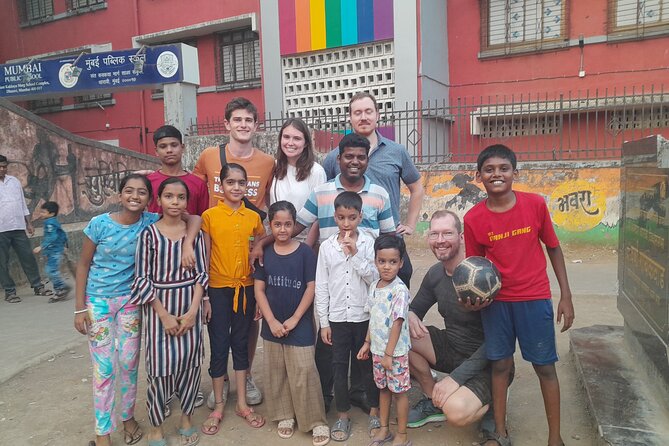
Finally, you see community schools and efforts connected to education and welfare. This helps balance the industrial image by showing what residents are building for the future.
I like that it is not only about making goods. It’s about supporting people, including kids and families, and the local push for schooling and welfare.
The value of $10.04: what you get for your money
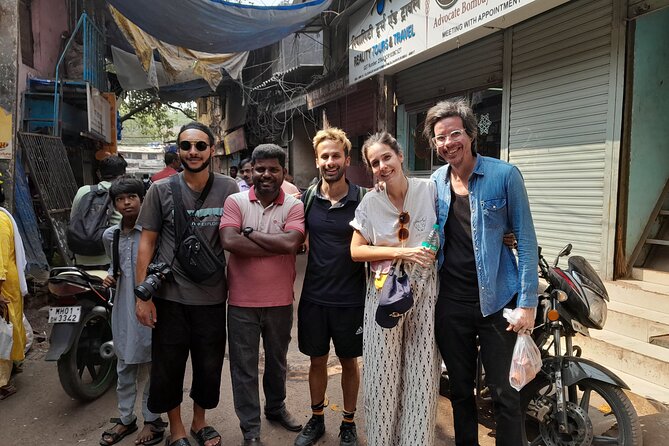
At $10.04 per person for about 2 hours, the value is strong, mainly because the tour includes a few things that usually add up.
You get:
- An English-speaking local guide
- Bottled water
- An admission ticket included component
Food is not included, so you should budget for that separately if you need a snack after. Still, for a guided walking experience that includes multiple workshop areas plus community spaces, you are paying for interpretation and safe, guided access, not just the right to walk around.
Also, the price point matters for who can do this. It opens the door if you are on a tighter Mumbai budget but still want more than a surface-level experience.
One more value point: this tour can be booked with pickup offered, which can save time and money if you are juggling transport in the city. It is also common for plans like this to fill, so booking around two weeks ahead is smart when possible.
Safety and respect: what “responsible walking” looks like in practice
The tour is described as a safe, responsible, and respectful walking experience with a local guide. That wording is not marketing fluff in this case. In a neighborhood like Dharavi, your comfort depends on having a route and a guide who knows what is appropriate.
A real example from the guide experience: a solo woman named Ruqaiyya led a female traveler through the area, and she said it helped her feel comfortable and safe as a solo visitor. That lines up with what I think matters here: you want the tour to function as a cultural translation, plus a safety system, not a permission slip to intrude.
Practical respect tips to keep in mind:
- Wear comfy shoes. The walk is in tight lanes and workshop-adjacent spaces.
- Keep questions simple and human. Your guide will handle the context.
- Ask before photographing anyone or inside-work areas, and follow the guide’s direction.
Group size and the feel of the experience
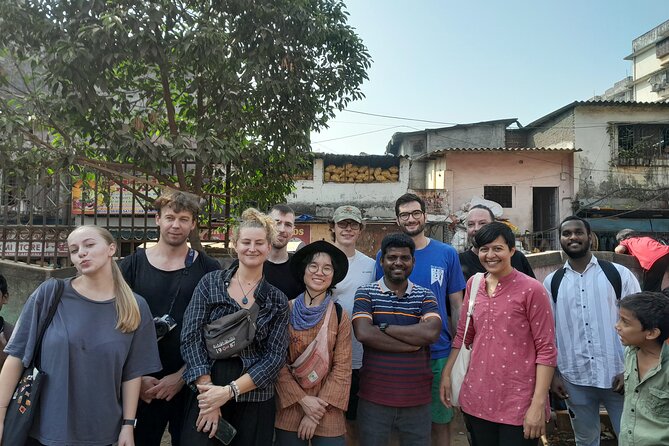
The tour has a maximum group size of 50 people. That number is large enough that the pace can vary depending on how the group stretches out.
If you prefer a quieter experience with more personal attention, look for private or small-group options if available. The tour description indicates both private and small-group tours are offered, and a smaller group usually means you can ask more questions and move at a calmer pace.
Who this tour is best for, and who should think twice
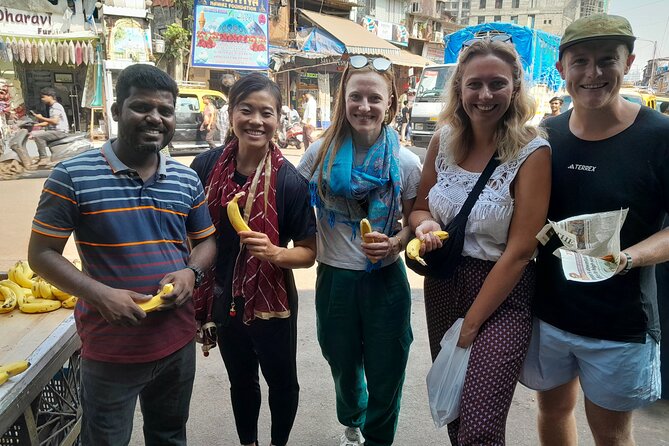
This experience is a strong fit if you want:
- A short, structured introduction to Dharavi with explanation
- Industry details like plastic recycling, textiles, bakeries, and leather work
- A blend of workshops plus community lanes, markets, and education
It may not be ideal if you:
- Prefer sightseeing that is mainly scenic views or low-activity stops
- Need long breaks or a very quiet, passive format
- Expect food included in the ticket (it is not)
If you are traveling solo, this type of guided, local-led approach can be a confidence boost, especially when you want someone to set the pace and boundaries.
Quick FAQ
FAQ
How long is the Mumbai Dharavi slum tour?
It runs for about 2 hours.
Is an English-speaking guide included?
Yes, the tour includes an English speaking local guide.
Do I get bottled water?
Yes, bottled water is included.
Is admission included in the price?
Yes, an admission ticket is included.
Is pickup available?
Pickup is offered.
Where does the tour start and end?
The tour starts at Third Wave Coffee on Tip Road, and it ends at Kumbhar Wada, Dharavi, with the tour finishing at their office area.
How large can the group be?
The tour/activity has a maximum of 50 people.
What is the cancellation policy?
Free cancellation is available up to 24 hours in advance for a full refund. If you cancel less than 24 hours before the start time, you do not get a refund.
Should you book this Dharavi guided walking tour?
I would book it if you want a real, structured Dharavi experience in a short time window, and you care about seeing how recycling and small-scale production work alongside daily neighborhood life. The combination of English interpretation, workshop stops, community spaces, and bottled water for the low price makes it good value.
If you hate crowds, want lots of sitting time, or expect the tour to include food, then it may feel a bit intense or incomplete for your style. But for most people looking for meaningful Mumbai context, this is one of the more practical ways to understand Dharavi on foot, with a guide who knows what to explain and how to keep it respectful.
More Dharavi Walks with Local Guides



Mumbai, Keep Exploring



Recently reviewed across Mumbai
- Mumbai City Sightseeing Guided Tour on a Bicycle
★ 5.0 · 10 reviews - Mumbai Street Food & Beach Tour with 10+ Tastings
★ 5.0 · 10 reviews - Mumbai Market Tour & Maharashtrian Cooking Class with Chef Reshma
★ 4.5 · 10 reviews - Sailing Experience in Mumbai on Mid Size Yacht
★ 5.0 · 10 reviews - 3 Days Complete Mumbai Tour Inclusive of Bollywood Studio Experience
★ 5.0 · 10 reviews - Dharavi Slum Tour
★ 5.0 · 10 reviews
Mumbai City Tours, compared.
 ★ 4.9Full-Day Sightseeing Tour of MumbaiFrom $241,822 reviews
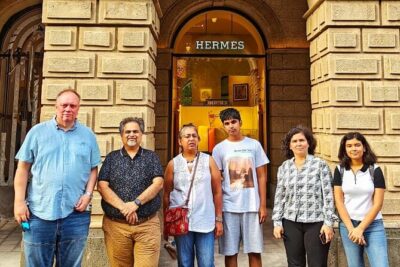 ★ 5.0Group Guided Walking Tour in Fort and ColabaFrom $161,073 reviews
 ★ 4.8Elephanta Caves Half-Day Guided Tour with ExpertFrom $301,032 reviews
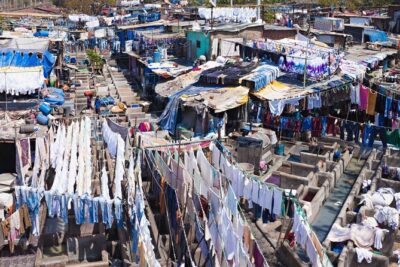 ★ 5.0Highlights of Mumbai Sightseeing Tour: TRAVELLERS CHOICE AWARDEDFrom $33915 reviews
 ★ 5.0Private Guided Walking Tour in Fort & ColabaFrom $36895 reviews
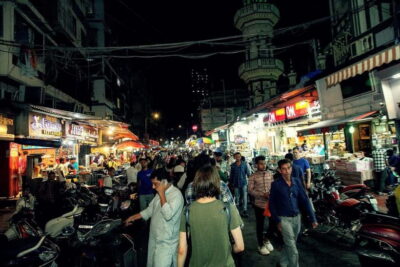 ★ 4.9Street Food and Night Markets TourFrom $13719 reviews
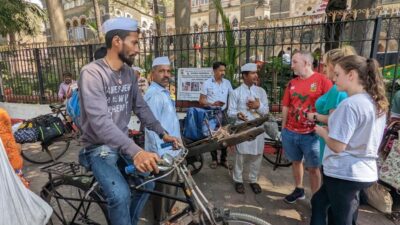 ★ 4.9Dharavi Slum, DhobiGhat, and Dabbawallas TourFrom $14689 reviews
 ★ 5.0Highlights of South Mumbai Guided Private Tour in AC VehicleFrom $74620 reviews
Browse the lists this tour appears in