
REVIEW · MUMBAI CITY TOURS
Mumbai: Slum Tour Dharavi & Dhobi Ghat Laundry with a Local
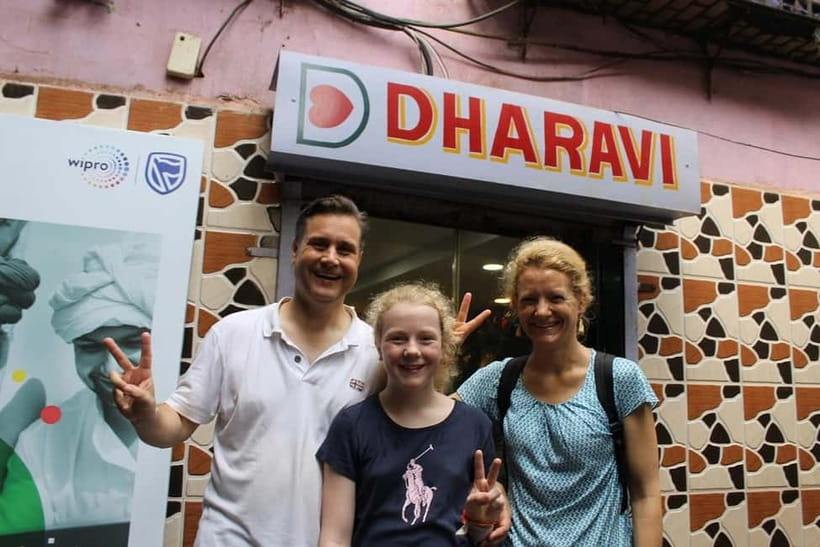
A quick walk that changes how you see Mumbai. This small-group tour pairs a Dharavi resident-led look at daily life with a close-up of Dhobi Ghat, the huge open-air laundry that keeps the city moving. I love that you get more than photos, you get explanations of how people live, work, raise kids, and run businesses. I also love how the tour tries to fix your assumptions early, before stereotypes take over. One thing to consider, the full experience is only 2.5 hours, so your time at Dhobi Ghat may feel a bit short if you want to linger.
You’ll meet at Third wave coffee Mahim, right opposite Mahim junction or station west, so it’s easy to reach by Uber or local transport. Then you head into Dharavi with an insider who knows where to stand and what’s appropriate to ask. Dhobi Ghat is famous with foreign visitors for a reason, but it can also feel a little like watching a working factory, not a museum.
The Dharavi part focuses on real activities like plastic recycling, leather work, garment or textile production, and metal industries, plus how families organize their space. You’ll also visit a place connected to the Slumdog Millionaire filming inside Dharavi, which adds a strange, thought-provoking layer to the day. The overall goal is simple, to show the human side and the practical side, not the sensational side, and that approach is exactly why people leave with their thinking changed.
In This Review
- Key things that make this tour work
- Why Dharavi and Dhobi Ghat in 2.5 Hours makes sense
- Starting off at Third Wave Coffee Mahim: the easiest logistics
- Inside Dharavi with a local resident guide
- The work you can actually see: recycling, leather, textiles, metal
- Movie-Mumbai context: Slumdog Millionaire in Dharavi
- Dhobi Ghat, the open-air laundry machine
- Group size, pace, and how guides manage questions
- Price and value: $4.64 for a local-led reality check
- Practical tips so you get the most from the day
- Who should book this Dharavi and Dhobi Ghat tour
- Should you book it?
- FAQ
- How long is the Mumbai Dharavi & Dhobi Ghat tour?
- What does the tour cost?
- Where do we meet for the tour?
- Is the tour guide available in English?
- How many people are in the group?
- What is included in the price?
- Is it safe to visit Dharavi and Dhobi Ghat on this tour?
- Can I cancel, and can I pay later?
Key things that make this tour work
- Local resident guidance, so you see daily life from the inside lane
- Real-world work to spot, from plastic recycling to leather, textiles, and metal
- Dhobi Ghat as a living system, not just a sightseeing backdrop
- Movie-Mumbai context, including a Slumdog Millionaire filming location
- Small group pacing, with guides such as Fazim or Faizan often taking extra time to explain
Mumbai, a few more routes through it
Why Dharavi and Dhobi Ghat in 2.5 Hours makes sense
This tour is short, and that is the point. Mumbai is intense, and trying to pack everything into one day usually turns into rushed staring. Here, 2.5 hours is enough time to see the big connections between work, community life, and the city’s supply chains without burning your brain.
Dharavi and Dhobi Ghat also make a smart pair. Dharavi shows how many kinds of small industry can coexist where space is tight. Dhobi Ghat shows how Mumbai keeps something as ordinary as laundry flowing at enormous scale. Put together, you start to understand how the city runs on people doing real jobs, not just on headlines.
Starting off at Third Wave Coffee Mahim: the easiest logistics
Your meeting point is Third wave coffee Mahim, directly across from Mahim junction or station west. That matters because the area is busy and you do not want a scavenger hunt before you even start. The tour provider says a tuk tuk rickshaw is not allowed here, which is another quiet clue that the meeting area is controlled for smoother pickup.
Because the meeting spot is a café, you can wait inside or outside while your guide finds you. The guide will meet you directly, ask your name, and introduce themselves, which helps a lot when you’re arriving with jet lag or trying to navigate Mumbai traffic for the first time.
Inside Dharavi with a local resident guide

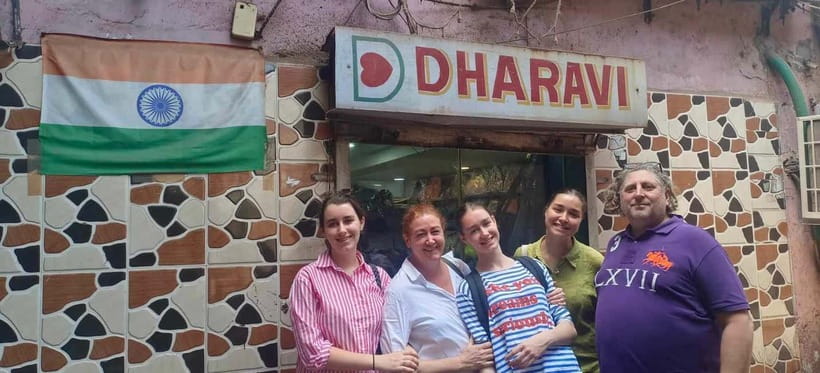
This is not a drive-by tour with generic commentary. The key promise is that you visit Dharavi with a local, through residence access, so you see the setting as people live and work in it.
The best part is how the guide connects spaces and routines. You’ll see where people stay and where families spend time together, including where kids play, relax, and move through the day. You’ll also hear how daily life is organized, from what kind of work happens nearby to what visitors should understand before they start judging.
Here’s the practical upside: you learn fast how to look. Instead of scanning for shock value, you start spotting patterns, like how businesses share space with family life. That shift is the whole reason this tour exists, and it’s why guides tend to get strong feedback for clarity and care.
One consideration: some guides keep the group tight and may be strict about where you stand and when you ask questions. That can feel a little teacher-like, especially if you like free-form conversation. If you’re the type who gets energized by constant Q and A, go in ready to listen first, then ask when the guide opens the floor.
Other Dharavi walks, guides named
- Mumbai: Dharavi Slum, DhobiGhat, and Dabbawallas Tour★ 4.9 · 689 reviews
- Dharavi Slum Tour★ 5.0 · 625 reviews
- Dharavi Slum tour in Mumbai by local resident★ 5.0 · 572 reviews
- Mumbai: Dharavi Slum Slumdog Millionaire Tour with a Local★ 4.9 · 529 reviews
- Mumbai Slum Tour – Visit Dharavi Slum with Local Guide★ 5.0 · 509 reviews
The work you can actually see: recycling, leather, textiles, metal
Dharavi is often talked about as a single thing, but on the ground you’ll see it as a web of trades. The tour highlights businesses such as plastic recycling, leather industry, garment or textile work, and metal industry. You don’t just hear names, you learn what those activities mean for the rhythm of life there.
This is where the tour earns its practical credibility. Many outsiders come in with one picture in their head, then reality does a reset. In Dharavi, work is not an abstract concept, it’s something happening around you, day after day. The guide also frames the scale, including a figure that the yearly income tied to these activities can be around 1 billion US dollars. Even if you keep a critical eye on exact numbers, the message is consistent, the economy here is real and significant.
You’ll also understand why stereotypes are so stubborn. When you see the variety of trades, and you see families building normal lives alongside work, the simplistic label stops fitting. It’s not saying everything is perfect. It’s saying the place is more complex than the scary headlines.
Movie-Mumbai context: Slumdog Millionaire in Dharavi
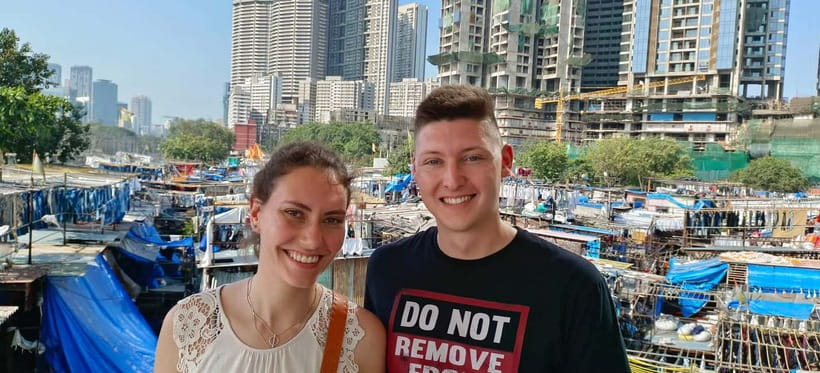
At some point you’ll visit a spot connected to Slumdog Millionaire filming inside Dharavi. That adds a strange kind of context, because the movie turned a specific reality into a story, and now you’re looking back at the setting behind the script.
This part can hit differently depending on your expectations. If you came thinking you’d see how movies get made, you’ll get less of that and more about how real places get shaped by attention. If you came thinking you’d compare fiction to reality, you’ll get a better comparison than you expect, because the guide helps you anchor what you’re seeing to how people live around those locations.
It’s also a good reminder that Dharavi has been in the global spotlight before. But on this tour, the spotlight is handled carefully. The focus stays on people and routines, not on turning the neighborhood into a theme park.
Dhobi Ghat, the open-air laundry machine
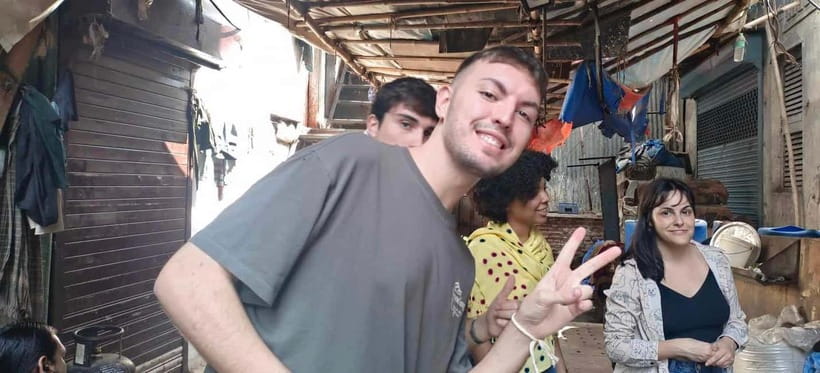
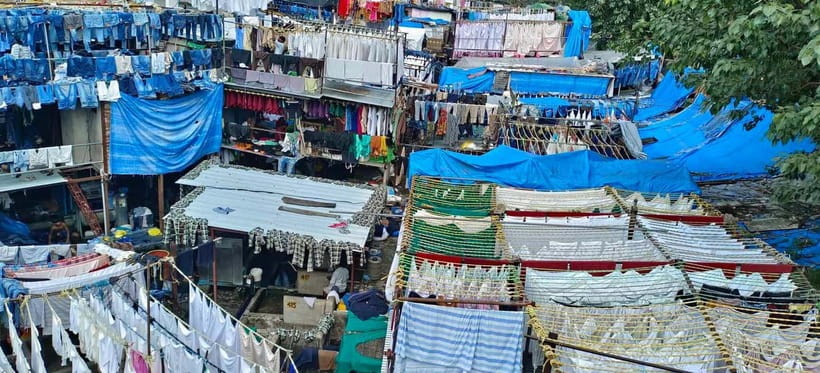
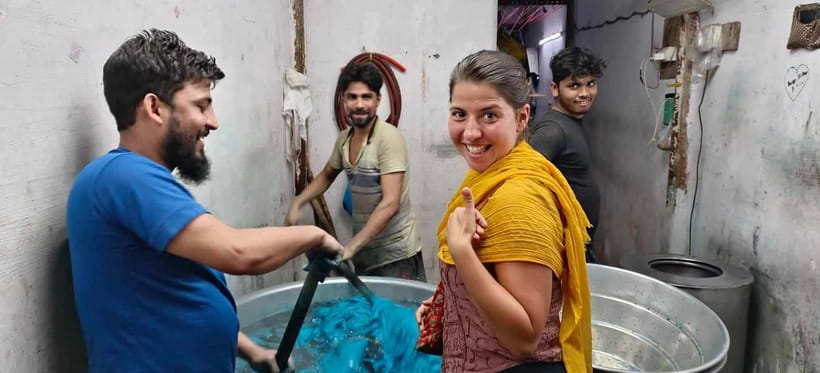
Dhobi Ghat is Mumbai’s largest open-air laundry facility and is described as Asia’s biggest laundry. It’s famous with foreign travelers for a reason, but it’s still a working place, not a set. You’ll go there to understand the activities, and to see how laundry gets handled at scale.
The feeling here is different from Dharavi. Dharavi is about trades and daily life inside a community. Dhobi Ghat is about workflow and process, a visible system where clothes move through stages and labor keeps things running. You’re watching coordination that happens all day long, which makes it more educational than many typical city stops.
A small caution: one travel highlight you’ll notice from the way people talk about this tour is that Dhobi Ghat might be the part they want more time for. Since the whole tour is only 2.5 hours, your visit may be just enough to understand the basics without exhausting you. If you’re a laundry nerd, plan to do further reading after, or book another short stop in the area if your schedule allows.
Also note a mindset shift. At Dhobi Ghat, you’ll likely feel like you’re observing a job in progress. That can be rewarding, as long as you keep the tone respectful and practical, and let the guide set boundaries for photos and questions.
Group size, pace, and how guides manage questions
This is a small-group tour limited to 9 participants. That size matters. You’re not stuck behind a crowd, and the guide can actually point out details while still keeping everyone moving.
It also affects how questions work. The tour format can be strict about where you stand and when you can ask. That can feel limiting, but it also protects the flow and keeps the group from becoming disruptive in a working neighborhood. If you prefer a lecture style with guided turns for Q and A, you’ll probably enjoy it.
You might meet guides like Fazim or Faizan, who are described as taking time to explain origins, life, work, and family life in Dharavi. Some guides are also locals from inside the area, which changes the vibe immediately. You’re not being managed like a tourist group. You’re being oriented like a temporary visitor learning the rules of a real place.
Price and value: $4.64 for a local-led reality check
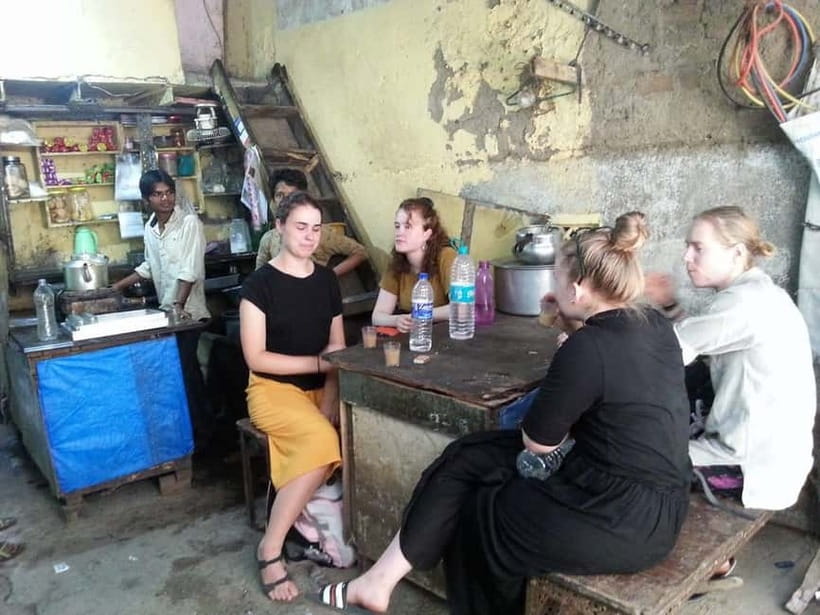
The listed price is $4.64 per person for a 2.5-hour experience. That sounds almost too low until you notice what you’re getting: a local English-speaking guide from Dharavi, transport or travelling fees, and all entrance, entry tickets, and tax included.
Value here is not about comfort upgrades. It’s about access and interpretation. Getting a local resident guide who can safely and appropriately show you daily life is usually the expensive part of tours in any city. In this case, the price is low relative to the access, so you should feel you’re paying mostly for explanation and movement through the neighborhood.
For your expectations, think of it as an educational walk with guided context, not a luxury tour. The best way to get good value is to come with curiosity and a willingness to adjust your assumptions in real time.
Practical tips so you get the most from the day

Since this is a working, close-up style tour, a few habits help you have a better experience.
Wear comfortable shoes, because you’ll be walking through dense, active areas. Bring a bottle of water if your body needs it, and plan to keep your phone use respectful, especially near laundry operations. Keep questions simple at first. Let the guide explain, then ask follow-ups.
Most importantly, treat this as a conversation with a neighborhood, not a stage set. The tour is designed to be safe to visit inside and around, and it emphasizes that you visit through residents. That means your behavior matters. If you remember that, you’ll come away with understanding instead of discomfort.
Who should book this Dharavi and Dhobi Ghat tour
You’ll love this tour if you want Mumbai’s reality through local explanations and you like tours that correct misconceptions. It’s a strong choice for first-time visitors who want more than standard landmarks, and for people who are open to seeing work and family life up close.
It’s also a good fit if you’re specifically curious about:
- how multiple industries can operate in tight spaces
- what open-air systems like Dhobi Ghat look like as a working process
- the surprising connection between global film attention and real neighborhoods
You might want a different option if you only want polished viewpoints, or if you feel uncomfortable around active labor settings. And if you want lots of time at Dhobi Ghat, keep in mind this is 2.5 hours total, so your laundry stop may feel short compared to a dedicated visit.
Should you book it?
If you’re choosing between a quick sightseeing plan and something that challenges your assumptions, I think this one is worth booking. The combination of a local Dharavi guide, visible trades, and Dhobi Ghat’s open-air laundry system creates a clear, human picture of how Mumbai functions.
Book it if you want your understanding to be grounded in everyday life, not slogans. Skip it if you’re looking for a long, leisurely visit where you can wander slowly at Dhobi Ghat. For most people, the small group size, local guidance, and the focus on breaking stereotypes are exactly the balance that makes the day meaningful.
FAQ
How long is the Mumbai Dharavi & Dhobi Ghat tour?
The tour duration is 2.5 hours.
What does the tour cost?
The price is listed as $4.64 per person.
Where do we meet for the tour?
The meeting point is Third wave coffee Mahim, opposite Mahim junction/station west.
Is the tour guide available in English?
Yes, the tour includes a local English-speaking tour guide.
How many people are in the group?
It is a small group limited to 9 participants.
What is included in the price?
Included are the local English-speaking tour guide from the slums, travelling fees, and all entrance, entry tickets, and tax.
Is it safe to visit Dharavi and Dhobi Ghat on this tour?
The activity description says it is completely safe to visit inside and around, and that you visit by a residence of Dharavi.
Can I cancel, and can I pay later?
You can cancel up to 24 hours in advance for a full refund, and there is a reserve now, pay later option where you pay nothing today.
More Dharavi Walks with Local Guides





Mumbai, Keep Exploring





Recently reviewed across Mumbai
- Mumbai City Sightseeing Guided Tour on a Bicycle
★ 5.0 · 10 reviews - Mumbai Street Food & Beach Tour with 10+ Tastings
★ 5.0 · 10 reviews - Mumbai Market Tour & Maharashtrian Cooking Class with Chef Reshma
★ 4.5 · 10 reviews - Sailing Experience in Mumbai on Mid Size Yacht
★ 5.0 · 10 reviews - 3 Days Complete Mumbai Tour Inclusive of Bollywood Studio Experience
★ 5.0 · 10 reviews - Dharavi Slum Tour
★ 5.0 · 10 reviews
Mumbai City Tours, compared.
 ★ 4.9Full-Day Sightseeing Tour of MumbaiFrom $241,822 reviews
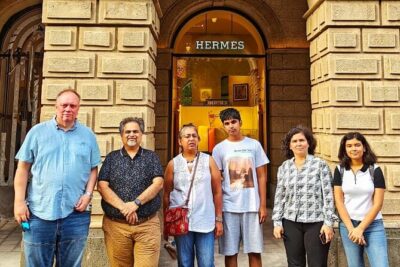 ★ 5.0Group Guided Walking Tour in Fort and ColabaFrom $161,073 reviews
 ★ 4.8Elephanta Caves Half-Day Guided Tour with ExpertFrom $301,032 reviews
 ★ 5.0Highlights of Mumbai Sightseeing Tour: TRAVELLERS CHOICE AWARDEDFrom $33915 reviews
 ★ 5.0Private Guided Walking Tour in Fort & ColabaFrom $36895 reviews
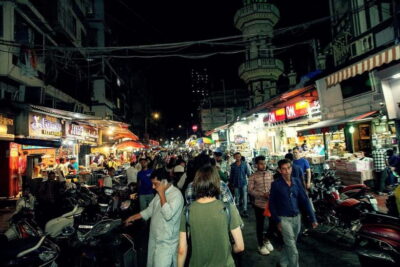 ★ 4.9Street Food and Night Markets TourFrom $13719 reviews
 ★ 4.9Dharavi Slum, DhobiGhat, and Dabbawallas TourFrom $14689 reviews
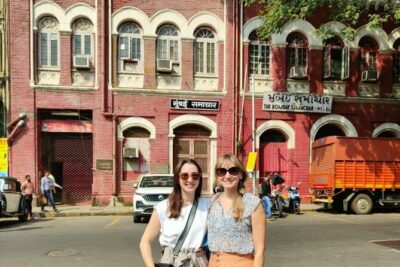 ★ 5.0Highlights of South Mumbai Guided Private Tour in AC VehicleFrom $74620 reviews
Browse the lists this tour appears in