
REVIEW · MUMBAI CITY TOURS
Private 8 Hours Mumbai City Sightseeing and Dharavi Slum Tour
Mumbai can feel like two cities at once.
This private tour strings together British-era landmarks and everyday life, plus a walk with someone who lives in the neighborhood. You get an air-conditioned ride between stops, and you still cover the parts that most visitors only see from a distance.
What I like most is the balance, colonial Mumbai to Dhobi Ghat to Dharavi in one day, without rushing you through everything. Second, the guide matters a lot here, and the best example is Rakesh, who tailored the day when a family was tight on flight timing and still kept a 9, 7, and 4 year old engaged.
One thing to plan for: you will do walking, including in warmer areas and during the slum portions. If heat or long distances are a concern, tell your guide early, because the day can be adjusted, but you cannot fully skip the on-foot parts.
In This Review
- Key things that make this tour worth your time
- A day built on contrasts, not checklists
- Price and value, what you actually get for $153 per group
- Starting where Mumbai greeted the British, Gateway to the waterfront icons
- Why those quick stops work
- Potential drawback
- University buildings and Big Ben of India, classic architecture spotting
- What you can do during short stops
- Cricket, courthouses, and UNESCO at Chhatrapati Shivaji Maharaj Terminus
- One consideration
- Marine Drive and Chowpatty views, then Gandhi’s Mumbai at Mani Bhavan
- Why I like the timing
- Hanging Gardens built on water tanks, then the laundry you can’t ignore
- Tip for getting the most out of Dhobi Ghat
- Possible drawback
- The slum walking block, and the importance of a guide who belongs there
- What to bring mentally
- Dharavi: a real look at a huge economic engine
- Why the Dharavi portion is worth the time
- One practical consideration
- How the whole route stays comfortable, even with a long day
- What to expect day-of, timing, tickets, and the flow
- Who this tour fits best
- Should you book Private 8 Hours Mumbai City Sightseeing and Dharavi Slum Tour?
Key things that make this tour worth your time
- Private, up to 2 people, so your day can bend to your schedule
- Hotel pickup and drop-off from South Mumbai plus air-conditioned transport between stops
- A local guide connection for the slum and Dharavi walk that feels personal, not staged
- Dhobi Ghat in full public view, so you see the laundry work as it happens
- Major UNESCO and British landmarks in a single, well-timed route
- Free admission stops listed throughout the day, so you spend more time looking and less time budgeting
Mumbai, a few more routes through it
A day built on contrasts, not checklists
Mumbai has a talent for surprises. One minute you are staring at grand stone facades from the British period, and the next minute you are watching daily work at Dhobi Ghat or walking through Dharavi’s dense neighborhoods. This tour works because it treats those scenes as connected, not separate theme parks.
I also like that it is not just a photo parade. You spend longer at the parts that need it, like Mani Bhavan Gandhi Museum and the two walking blocks tied to local life. And because it is private, you get fewer “keep up” moments and more real conversation time.
Price and value, what you actually get for $153 per group
At $153.08 per group (up to 2), this is priced for a small, private experience rather than a big group bus tour. That matters because Mumbai is a city where time is expensive. A fast, comfortable pickup from South Mumbai plus air-conditioned transport between scattered sights means you are not bleeding hours figuring out logistics.
You also get several stops with admission listed as free in the plan. That can help the total feel more manageable, because the day’s biggest costs are often museum tickets, which here are not a major add-on.
A quick reality check: you are paying for convenience plus a guide who can handle both sides of the itinerary, the famous landmarks and the local walks. If you enjoy meeting people and asking questions, the value tends to click fast. If you mainly want quick sightseeing and do not care about human context, you might prefer a shorter city highlights tour.
Starting where Mumbai greeted the British, Gateway to the waterfront icons

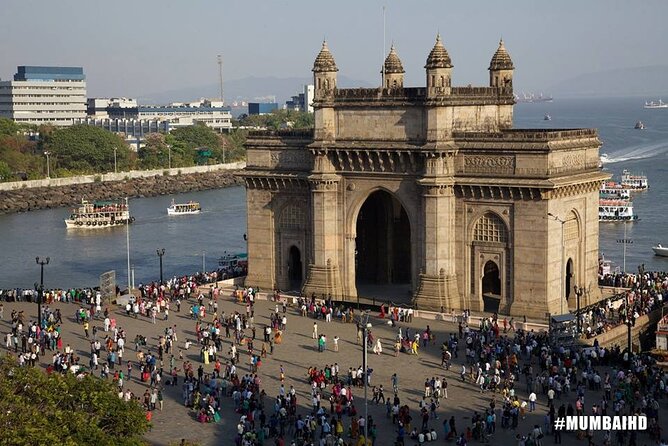
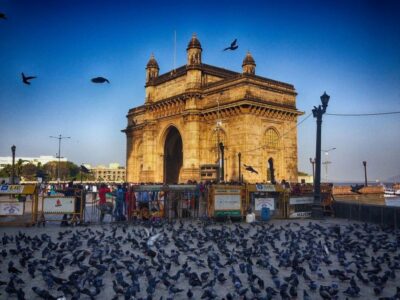
Your day begins at Gateway of India, a landmark built to welcome King George V and Queen Mary into India. Even if you have seen it on postcards, the scale feels different in person, especially with the waterfront energy around it.
From there, you move toward the Taj Mahal Palace area. The stop is short, but it is still a useful anchor because it sets the tone for the “colonial and grand” part of the day. It is also a good moment to note how Mumbai’s wealth and development sit close to older neighborhoods.
Other Dharavi walks, guides named
- Mumbai: Dharavi Slum, DhobiGhat, and Dabbawallas Tour★ 4.9 · 689 reviews
- Dharavi Slum Tour★ 5.0 · 625 reviews
- Dharavi Slum tour in Mumbai by local resident★ 5.0 · 572 reviews
- Mumbai: Dharavi Slum Slumdog Millionaire Tour with a Local★ 4.9 · 529 reviews
- Mumbai Slum Tour – Visit Dharavi Slum with Local Guide★ 5.0 · 509 reviews
Why those quick stops work
The early timing matters. You get the big, easy-to-see symbols early before the heat and crowds stack up later. The route is also designed so the day’s heavier walking happens after you have already done some landmark sightseeing.
Potential drawback
The first handful of stops are brief by design. If you want to linger and photograph for a long time, you may need to ask your guide to slow the pace at one or two points. Private tours can help here, but you still have a full day.
University buildings and Big Ben of India, classic architecture spotting
Next you see a run of British-era civic buildings. The University of Mumbai Library (built in 1857) is one of those places where you notice details like stonework and proportions more than “interior attractions,” since the stop is brief.
Then comes the Rajabai Clock Tower, often compared to Big Ben of India. It is quick, but it’s a solid stop if you like architecture. The tower gives you a clear sense of what Europeans brought to public building styles in that era.
After that, you pass the Watson’s Hotel ruins. The story connected to it is part of why it is on the itinerary: Tata was refused entry there, so he built the Taj Mahal Hotel. You do not need to memorize every name, but it’s a good example of how decisions and rivalries shaped Mumbai’s skyline.
What you can do during short stops
Use these minutes to get your bearings. Look for symmetry, the way buildings face the street, and the way people use the space around them. Mumbai landmarks are not just monuments, they are backdrops for daily movement.
Cricket, courthouses, and UNESCO at Chhatrapati Shivaji Maharaj Terminus
Mumbai does British formal institutions extremely well, and this route includes the most important ones.
You stop at Azad Maidan, the oval cricket ground area where the city plays its beloved sport. Even if you do not catch a match, it helps you understand that Mumbai’s public spaces are not only for ceremonies. They are for life.
Then comes Bombay High Court Principal Bench, another British heritage building that rewards a slow glance upward at the structure and layout.
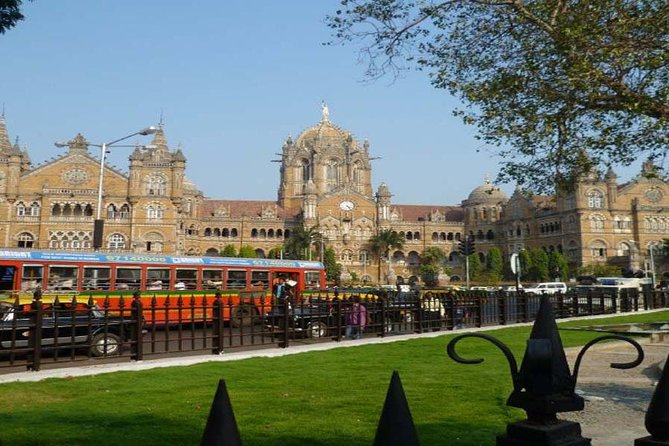
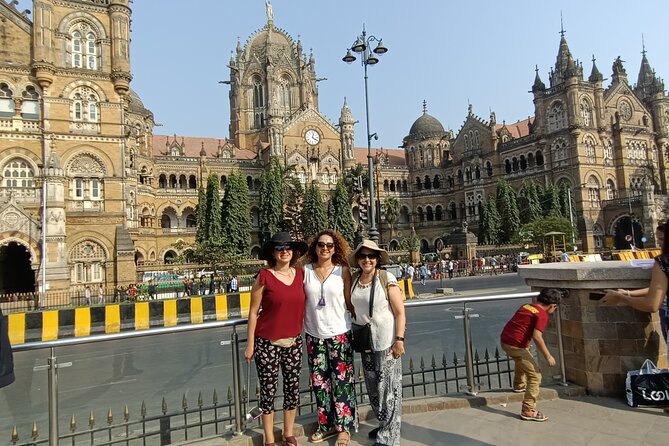
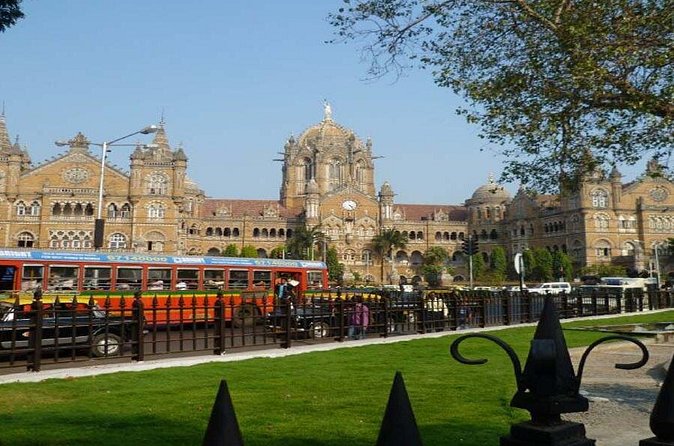
The big centerpiece here is Chhatrapati Shivaji Maharaj Terminus (CST), a UNESCO World Heritage train station. The stop is around 15 minutes, which might sound short, but this is one of those sites where just standing in the right spots and looking at the station’s scale gives you the effect you came for.
One consideration
Because CST is a working station, you may notice people moving through quickly. If you want quiet time to look carefully, plan to use your guide to point you to the best viewing spot before everyone flows in.
Marine Drive and Chowpatty views, then Gandhi’s Mumbai at Mani Bhavan
You drive past Marine Drive and Chowpatty beach. This is not a “get out and hike” stop, more of a scenic window into the city’s coastal mood. It’s a good reset between landmark-heavy moments.
Then the tour shifts into a different kind of intensity at Mani Bhavan Gandhi Museum, where you spend about an hour. This is where the day slows down. It helps you connect Mumbai’s colonial past and independence-era thinking, without requiring you to be an expert on dates or politics.
Why I like the timing
Putting Gandhi’s site after Marine Drive is smart. You go from open coastal views into a calmer, more reflective space. It helps the day feel human, not just architectural.
Hanging Gardens built on water tanks, then the laundry you can’t ignore
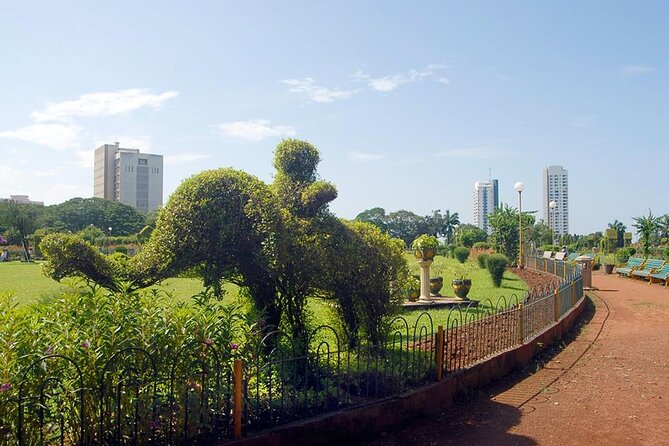
Next you visit the Hanging Gardens, gardens built on top of water tanks near the Tower of Silence, a Parsi burial place. The point of this stop is not only the plants, it’s the engineering and the mix of urban space and sacred context.
Then comes Dhobi Ghat, where clothes are washed in full view of the public. This stop is short, around 15 minutes, but it is usually the kind of place that sticks with you because it feels so real. Watching the work, you can see how the city handles daily needs on a big scale.
Tip for getting the most out of Dhobi Ghat
Keep your phone put away for a minute. Watch the workflow first. After that, you can photograph with more meaning, not just for the shot.
Possible drawback
Dhobi Ghat can be visually intense. If you feel uncomfortable with close-up scenes of manual labor, tell your guide. A good guide will help you step back to a respectful viewing distance.
The slum walking block, and the importance of a guide who belongs there

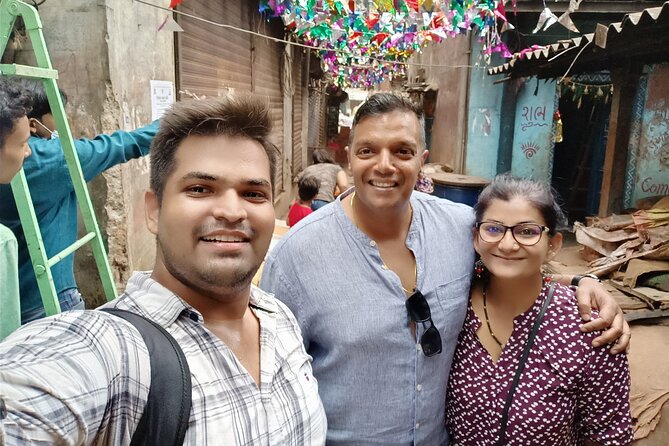
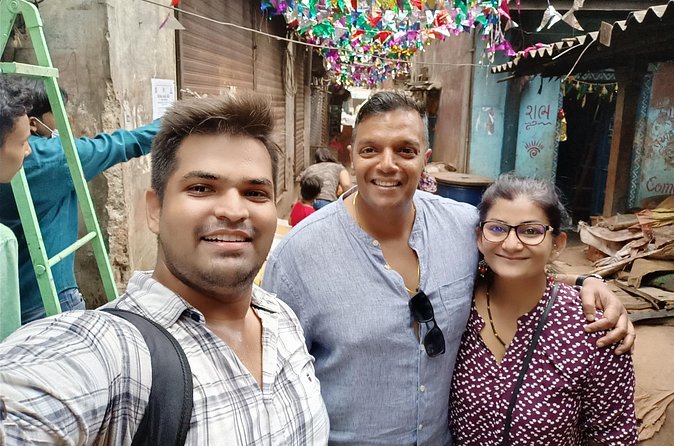
After Dhobi Ghat, you transition into the slum walking portion, listed as about 2 hours. This includes the area tied to scenes from Slumdog Millionaire and is specifically guided by someone who lives in the neighborhood.
This is the part of the day where a guide can either turn your experience into a “look at poverty” spectacle or make it a grounded conversation. The difference is whether the guide explains daily life from the inside. The tour’s format is built around that, and it makes your visit feel less like sightseeing and more like understanding.
The strongest reviews focus on the personal touch of the guides, especially Rakesh, who handled family needs and still kept the day fun for kids. That tells me the guide did not treat the slum walk as a hard stop on a schedule. It was treated as a people-first experience, including when the group had different energy levels.
What to bring mentally
Go in ready to ask questions, and be prepared for moments that do not match what your brain expects. Mumbai’s slum areas are not empty space. People live there, work there, and build systems there. Your guide will help you see that reality clearly.
Dharavi: a real look at a huge economic engine
You then move to Dharavi, also listed for about 2 hours. Dharavi is described as one of the largest slums in Asia, with economic output estimated around 1 billion US dollars annually, much of it generated by informal recycling industries.
That number matters, because it changes how you view the place. Dharavi is not only about hardship. It is also about work networks, recycling, manufacturing, and local livelihoods. Your guide can help connect what you see on the ground to that economic picture.
Why the Dharavi portion is worth the time
A lot of Mumbai tours skip Dharavi or treat it as a quick stop. Here you get a longer walk, so you can notice patterns, routines, and the way different areas function. You also have time to hear explanations that a 20-minute drive-by could never capture.
One practical consideration
Because this is a dense area with real streets and real movement, you need to go at the pace your guide sets. Wear shoes you trust, and stay close to your group for safety.
How the whole route stays comfortable, even with a long day
This tour covers a lot of ground, but the design helps keep it manageable.
- Air-conditioned vehicle between stops reduces fatigue, especially during city driving time.
- Hotel pickup and drop-off from South Mumbai means you do not have to factor in transit to reach the first landmarks.
- Private group format gives you room to adjust if you have mobility limits.
One review highlighted how helpful the guide was for an elderly traveler who could not walk far in the heat, with the guide offering to carry. That is not the same as saying everyone can avoid walking, but it does show the guide was attentive and flexible within the reality of the itinerary.
What to expect day-of, timing, tickets, and the flow
The duration is listed as about 7 to 8 hours. Most of the landmark stops are short, then the day becomes heavier in the middle with the museum time and the two walking blocks.
Admission is listed as free for the stops in the plan. Still, I recommend you bring a little buffer in your mindset. If a location has temporary rules or on-the-day crowd issues, your guide will adapt the route as needed.
You will also have a mobile ticket, which usually makes entry easier, especially when multiple sites are involved.
And since it is described as near public transportation, you are not trapped if something runs late, but the tour already handles your hotel pickup and drop-off.
Who this tour fits best
This works especially well if you want a day that feels like Mumbai, not just a museum circuit.
You’ll likely love it if you:
- want major landmarks and local life in one itinerary
- care about context, not only photos
- appreciate having a guide who can answer questions while walking
- want a private day up to 2 people, with room for small adjustments
It might be less ideal if you:
- want a mostly seated tour
- dislike walking through dense neighborhoods
- prefer a simple highlights loop with minimal human context
Should you book Private 8 Hours Mumbai City Sightseeing and Dharavi Slum Tour?
I think this is a strong choice if you are the type of traveler who likes real conversations and meaningful contrasts. The value comes from three things: private time, a route that covers both landmark Mumbai and everyday Mumbai, and guides who can tailor the experience when plans change or when mobility needs extra care, like what happened with Rakesh for that family with flight timing and multiple kids.
Book it if you want a single day that explains how Mumbai functions, from train-station grandeur to open-air laundry to a neighborhood that drives real economic activity.
Skip it only if your ideal day is mostly sitting and taking in sights without walking or without entering spaces that require respectful attention.
More Dharavi Walks with Local Guides





Mumbai, Keep Exploring





Recently reviewed across Mumbai
- Mumbai City Sightseeing Guided Tour on a Bicycle
★ 5.0 · 10 reviews - Mumbai Street Food & Beach Tour with 10+ Tastings
★ 5.0 · 10 reviews - Mumbai Market Tour & Maharashtrian Cooking Class with Chef Reshma
★ 4.5 · 10 reviews - Sailing Experience in Mumbai on Mid Size Yacht
★ 5.0 · 10 reviews - 3 Days Complete Mumbai Tour Inclusive of Bollywood Studio Experience
★ 5.0 · 10 reviews - Dharavi Slum Tour
★ 5.0 · 10 reviews
Mumbai City Tours, compared.
 ★ 4.9Full-Day Sightseeing Tour of MumbaiFrom $241,822 reviews
 ★ 5.0Group Guided Walking Tour in Fort and ColabaFrom $161,073 reviews
 ★ 4.8Elephanta Caves Half-Day Guided Tour with ExpertFrom $301,032 reviews
 ★ 5.0Highlights of Mumbai Sightseeing Tour: TRAVELLERS CHOICE AWARDEDFrom $33915 reviews
 ★ 5.0Private Guided Walking Tour in Fort & ColabaFrom $36895 reviews
 ★ 4.9Street Food and Night Markets TourFrom $13719 reviews
 ★ 4.9Dharavi Slum, DhobiGhat, and Dabbawallas TourFrom $14689 reviews
 ★ 5.0Highlights of South Mumbai Guided Private Tour in AC VehicleFrom $74620 reviews
Browse the lists this tour appears in