
REVIEW · MUMBAI CITY TOURS
Private Mumbai Sightseeing Tour Including Dharavi Slum
Mumbai shows two lives in one day. This private tour is interesting because it pairs a Dharavi Slum walk with major sights, led by a private guide who explains what you are seeing. I like that the focus is not just photos, it is daily life and how people make a living in tight quarters.
I love how the schedule mixes the contrasts of Mumbai, so you see both work and monuments without switching plans. Stops include the Gateway of India and the Rajabai Clock Tower at Mumbai University, plus classic colonial-era streets and viewpoints from the comfort of a private, air-conditioned car.
One possible drawback is simple: food and drinks are not included, so you need to plan for snacks. Also, you will do real walking in narrow lanes, so wear comfortable shoes.
In This Review
- Key takeaways you should know
- A 6-hour private plan that actually works in Mumbai
- Dharavi Slum walk: narrow lanes, small industries, and a strong sense of community
- Plastic and metal recycling yard: where waste becomes work
- Kumbharwada pottery area, the city of lamps
- Chhatrapati Shivaji Terminus and Rajabai Clock Tower: Gothic meets everyday life
- Gateway of India and the Taj Mahal Palace area: colonial landmarks on the water
- Marine Drive, Flora Fountain, and Kala Ghoda: views plus the artsy side
- Dhobi Ghat and the Gandhi side of Mumbai: everyday life and public memory
- Jain Temple, Kamala Nehru Park, and Hanging Gardens: small stops with good payoff
- Price and value: what $184.62 per group really buys
- How to make the most of your half-day: comfort and expectations
- Who this tour suits best
- Should you book this Mumbai private tour with Dharavi?
- FAQ
- How long is the private Mumbai sightseeing tour?
- How many people are in a group?
- Where does pickup happen?
- What kind of transportation is used?
- Is there an English-speaking guide?
- How much time is spent in Dharavi?
- Are entrance fees included?
- Is food included?
- What stops are included besides Dharavi?
- Can I cancel if my plans change?
Key takeaways you should know
- Dharavi for real, focused on daily work: You walk through lanes and see small-scale production and community life.
- Recycling yard stop: You get a close look at how plastic and metal are sorted for reuse.
- Kumbharwada pottery lanes: You visit the clay potters area known as the city of lamps.
- UNESCO Chhatrapati Shivaji Terminus: You stop at CST, famous even beyond India.
- Major colonial landmarks in one half-day: Gateway to India, Rajabai Clock Tower, and the Taj Mahal Palace area.
- Air-conditioned private transport for comfort: Pickup and drop-off from hotel, cruise port, or railway station keeps things efficient.
Mumbai, a few more routes through it
A 6-hour private plan that actually works in Mumbai
Mumbai is not a city you want to figure out on the fly if you only have a half-day. This tour keeps you moving, but not in a sprint. It runs about 6 hours, starting with pickup from your hotel, the cruise port, or the railway station, then returning you there at the end.
You ride in a private air-conditioned car with your English-speaking guide. The group is small, up to five people per booking, so you get more personal attention than you would on a big bus. That matters in Mumbai, where traffic can jump and streets can feel chaotic. The operation seems built for that reality, including on-the-ground adaptation when conditions change.
You also get a mobile ticket, which makes the day feel smoother. And importantly for value, entrance fees are included as part of the tour, not something you chase around at the last minute.
Dharavi Slum walk: narrow lanes, small industries, and a strong sense of community
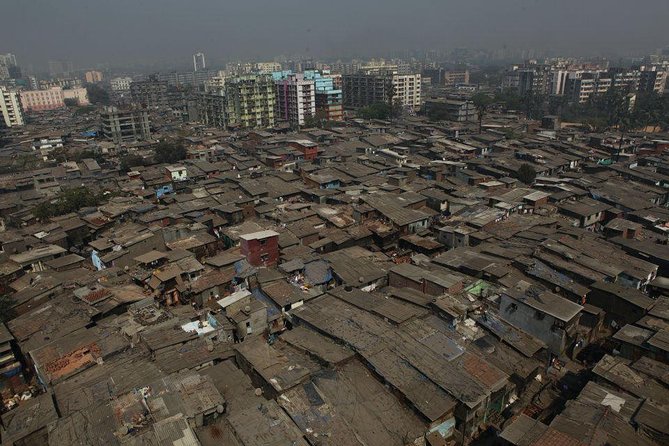
The day starts where most first-time visitors do not know how to start: Dharavi. You spend about 2 hours walking through this dense, self-contained part of the city, known as Asia’s biggest slum and home to nearly a million people.
What stands out is the structure of the experience. You do not just look at buildings. You walk the lanes and see how people live and work side by side. You will pass tiny bread and sweet shops, then move into dimmer workshop spaces where small businesses make clothes, pottery, and soap.
The tour is guided, and that is a big deal here. A good guide helps you understand the rhythm of the place, and the reviews consistently highlight guides such as Mukesh and Aarti for their clear explanations about Dharavi life. You are also likely to feel the emotional weight of the visit. That is normal. A guided approach is what keeps it respectful and grounded.
What to pay attention to during the walk
- How production and daily needs overlap, so the area feels like a town, not a spectacle
- The way small shops and workshops sit close together
- Signs of recycling and reuse that connect Dharavi to the city’s supply chain
A practical consideration
This is an active walking segment. Expect narrow lanes and close proximity. If you are sensitive to crowded spaces, go slowly and let your guide set the pace.
Plastic and metal recycling yard: where waste becomes work
Right after Dharavi lanes, you head to the plastic and metal recycling yard. This stop adds a practical layer to the visit. It is not only about housing and neighborhoods. You also see labor and logistics: workers sorting materials for reuse.
This part often lands well because it reframes what you might think you know. Recycling is a skill set, with tools, sorting routines, and steady work. It also connects your visit to a bigger Mumbai story about industry and survival.
For photo lovers, this can be an intense place to shoot. Keep your camera down unless your guide tells you it is okay, and focus on respectful observation. For many people, the bigger takeaway is mental, not visual: the idea that recycling here is real work, not charity.
Other Dharavi walks, guides named
- Mumbai: Dharavi Slum, DhobiGhat, and Dabbawallas Tour★ 4.9 · 689 reviews
- Dharavi Slum Tour★ 5.0 · 625 reviews
- Dharavi Slum tour in Mumbai by local resident★ 5.0 · 572 reviews
- Mumbai: Dharavi Slum Slumdog Millionaire Tour with a Local★ 4.9 · 529 reviews
- Mumbai Slum Tour – Visit Dharavi Slum with Local Guide★ 5.0 · 509 reviews
Kumbharwada pottery area, the city of lamps
After the recycling yard, you move to Kumbharwada, the community of clay potters often described as the city of lamps. This is the moment when the tour shifts from trash-to-reuse to craft-to-ceremony.
You weave through lanes connected to pottery production, where thousands of hand-made, kiln-fired pots are made as oil lamps for festivals. Even if you are not a craft person, you can understand the workflow. There is usually a visible chain from shaping clay to firing, and then to the final product ready for seasonal celebrations.
This stop is worth it because it shows how skill and tradition survive in crowded conditions. It also gives your brain a change of pace after the intensity of Dharavi. If the first half of the tour left you with heavy thoughts, Kumbharwada often balances the emotional tone with something more hopeful and tangible.
Chhatrapati Shivaji Terminus and Rajabai Clock Tower: Gothic meets everyday life
Once Dharavi and the craft side of Mumbai are done, the tour shifts gears to landmark Mumbai.
First up is Chhatrapati Shivaji Terminus (CST), a UNESCO World Heritage site. You get around 25 minutes here. The station is known far beyond India, in part because it shows up in films and international tourism dreams. Even with limited time, this stop works as a “big wow” moment. It is one of those places where architecture does the storytelling.
Then comes Rajabai Clock Tower at Mumbai University. You get about 20 minutes to observe the gothic-style facade. The tower is often described as Big Ben-style, and it is easy to see why when you look at the clock and the strong vertical lines.
These stops matter because they teach you how Mumbai grew. British-era buildings shaped public spaces and institutions. If you only have one day, seeing CST and Rajabai helps you understand why colonial architecture still anchors the city’s identity.
Gateway of India and the Taj Mahal Palace area: colonial landmarks on the water
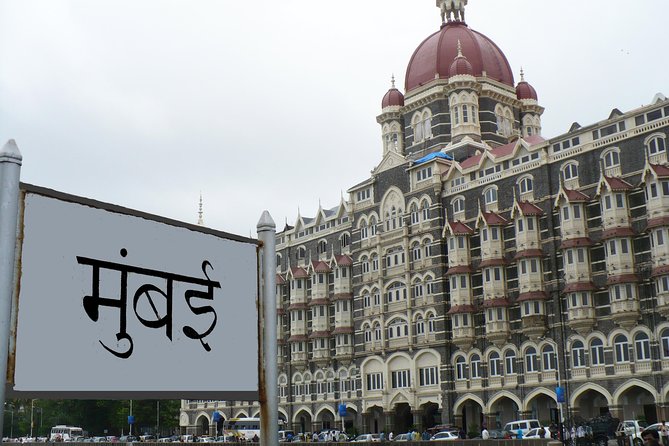
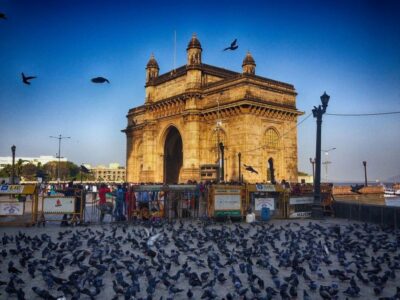
Next is the Gateway of India, one of the most famous monuments in Mumbai. It was built to welcome King George V and Queen Mary into India. You will have about 15 minutes here.
If you time it right, you get a view that feels both historical and cinematic, because the Gateway sits right where Mumbai’s energy meets the waterfront. You also pass by the Taj Mahal Palace hotel, originally commissioned by Jamshedji Tata and first opened its doors on 16 December 1903. Even if you are not going inside the hotel, seeing it from outside is part of the classic Mumbai photo story.
One thing I like about a guided approach is the context. Your guide can connect these landmarks to what changed and what stayed after British rule. That makes the buildings feel less like random stops and more like a map.
Marine Drive, Flora Fountain, and Kala Ghoda: views plus the artsy side
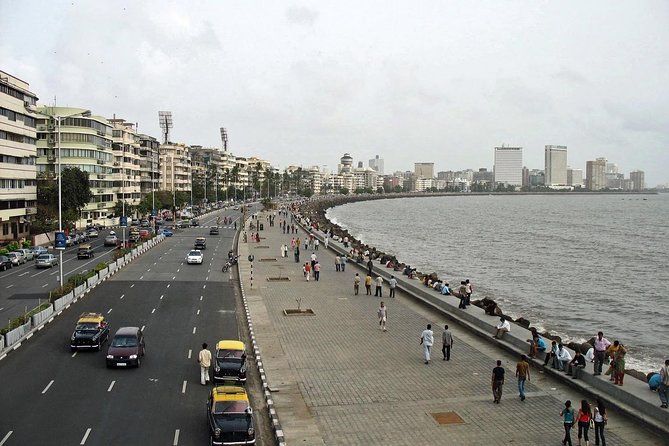
After the big monuments, you get driving time and short stops that build a rounded picture of Mumbai.
You will see Marine Drive, also known as Queens Necklace. This is a simple stop on paper, but it is a helpful one. It gives you a sense of the city’s geometry, with the shoreline and the long stretch of road that locals recognize fast.
You also pass or stop around Flora Fountain at Hutatma Chowk, a sculpted heritage monument, plus the Prince of Wales Museum of Western India area. The museum name is tied to the Prince of Wales who laid the foundation stone in 1905. The tour also includes Kala Ghoda, described as a creative district with designer cafes, indie galleries, and sidewalk art stalls.
The David Sassoon Library is also on the route as a heritage structure. Even with short time, it is a good reminder that Mumbai is not only about waterfront icons. It is also about libraries, institutions, and neighborhoods where people linger.
Dhobi Ghat and the Gandhi side of Mumbai: everyday life and public memory
Two stops give you a “real life” Mumbai view, even though both are famous.
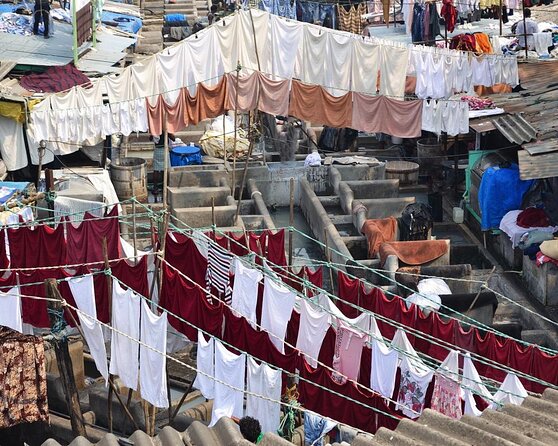
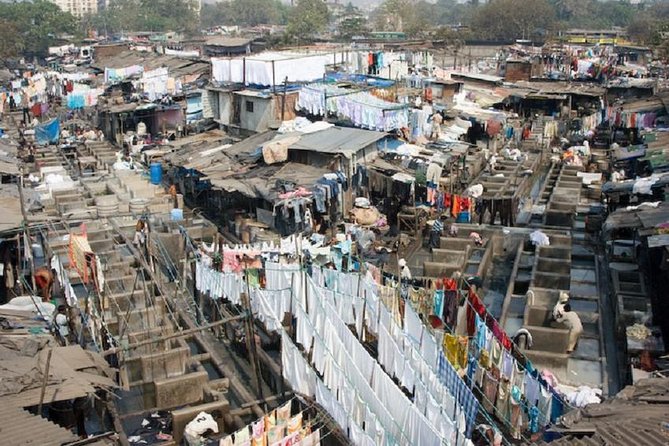
Dhobi Ghat is an open-air laundry area described as Asia’s biggest. You spend about 20 minutes here. You will see dhobis working under the sky to clean clothes and linens from hotels and hospitals. It is practical, physical work, and that is why it feels connected to the earlier industrial side of the day.
Then you visit Mani Bhavan Gandhi Museum, which is included with admission. It was a focal point of Gandhi’s political activities in Mumbai between 1917 and 1934, and you get about 20 minutes there. This stop adds a different kind of history, one tied to ideas and activism, not just architecture.
If Dharavi helped you understand survival and craft, Gandhi’s story helps you understand how people pushed for change. Together, they make your day feel less like a checklist and more like a full portrait.
Jain Temple, Kamala Nehru Park, and Hanging Gardens: small stops with good payoff
The remaining hours fill in smaller but meaningful viewpoints and places.
You visit a Jain Temple with intricate stone carvings and a dome painted with the zodiac. There is about 10 minutes allotted. Even if you only get a quick look, the carvings and painted ceiling details make the stop feel worth it in a short window.
Kamala Nehru Park is another short stop, around 15 minutes. It is known for a skyline view and Old Woman’s Shoe, a well-known local landmark. If you like city views, this one helps you connect the landmarks you saw earlier with the city’s scale.
Finally, you stop at Hanging Gardens, built on top of water tanks near the Tower of Silence (Parsi burial place). You get about 10 minutes. It is a “quick breath” moment, good for stepping back from the crowds and getting a view while the car waits.
Price and value: what $184.62 per group really buys
The price is listed as $184.62 per group, up to five people. That means if you fill a group of five, you are paying about $37 per person for a private half-day with pickup and drop-off, a private air-conditioned car, and an English-speaking guide.
That value improves because entrance fees are included. Many of the stops on the route have admission fees listed as free, while Mani Bhavan Gandhi Museum is specifically included. Either way, you are not managing entry tickets during the day.
Food is the trade-off. Food and drinks are not included, so you will want to eat before you go or plan to buy something nearby during downtime. If your hotel breakfast was rushed, this is the one part you might regret.
For many families and small groups, the private format is the real win. You can ask questions, move at a pace you can handle, and avoid wasting time searching for the next stop in Mumbai traffic.
How to make the most of your half-day: comfort and expectations
A 6-hour private tour sounds simple, but you should treat it like a day with two different walking tempos.
First, you walk in Dharavi and later near Kumbharwada. Expect narrow lanes and close quarters. Your guide will keep you moving, but you still need to think about comfort: closed-toe shoes, breathable clothing, and patience.
Second, the rest of the day is mostly short stops plus car time. You get that air-conditioned ride, which matters in Mumbai’s heat. This is also where timing and driving skill come in. Reviews mention guides and drivers like Manoj who managed busy streets safely and kept schedules moving, even when traffic or weather got messy.
Bring a light layer if you get chilly in the car, and keep water on your own plan. Since drinks are not included, decide in advance where you will buy them.
Finally, go in with the right mindset. This tour is built around contrast, not comfort. If you want only monuments and photos, you might find the Dharavi portion challenging. If you want to understand how Mumbai works at street level and at landmark level, you will probably feel satisfied.
Who this tour suits best
This tour fits best if you:
- Have limited time and want major sights without complicated planning
- Like guided context, especially for Dharavi and its industries
- Travel as a small group of up to five and want private pickup and drop-off
- Want both colonial landmarks and everyday Mumbai stops like Dhobi Ghat
It may be less ideal if you:
- Want a slower, purely scenic day with no walking through dense areas
- Get overwhelmed easily by crowded spaces and strong emotions
If you are traveling with children, they must be accompanied by an adult, and you should plan for the walking segments.
Should you book this Mumbai private tour with Dharavi?
I think you should book it if your goal is to get your bearings fast and still feel you learned something real. The best part is the way it connects work and craft in Dharavi with architecture and civic landmarks across the rest of Mumbai. You also get the practicality of private transport, so you are not stitching together buses and taxis while time slips away.
Book it if you value a small-group guide who can explain what you are seeing. Guides mentioned by name in positive feedback, like Mukesh, Aarti, Manoj, Jaya, Raj, and Anthony, stand out for clarity and adaptability, including when traffic or weather forces quick changes.
Skip it only if you know you will struggle with the emotional and physical reality of walking in Dharavi. In that case, you might prefer a monuments-only tour.
FAQ
How long is the private Mumbai sightseeing tour?
It runs about 6 hours.
How many people are in a group?
The price is per vehicle, with a maximum of five passengers per booking.
Where does pickup happen?
Pickup is offered from your Mumbai hotel, the cruise port, or the railway station. Drop-off is included as well.
What kind of transportation is used?
You travel in a private air-conditioned car.
Is there an English-speaking guide?
Yes, the guide is English-speaking.
How much time is spent in Dharavi?
You spend about 2 hours walking in Dharavi.
Are entrance fees included?
Entrance fees are included, and Mani Bhavan Gandhi Museum admission is listed as included.
Is food included?
No. Food or drinks are not included.
What stops are included besides Dharavi?
The route includes major sights such as Chhatrapati Shivaji Terminus, Rajabai Clock Tower, Gateway of India, Dhobi Ghat, the Taj Mahal Palace area, Mani Bhavan Gandhi Museum, a Jain Temple, Kamala Nehru Park, and Hanging Gardens, plus additional landmarks like Marine Drive.
Can I cancel if my plans change?
Yes, cancellation is free up to 24 hours before the experience start time for a full refund.
More Dharavi Walks with Local Guides





Mumbai, Keep Exploring





Recently reviewed across Mumbai
- Mumbai City Sightseeing Guided Tour on a Bicycle
★ 5.0 · 10 reviews - Mumbai Street Food & Beach Tour with 10+ Tastings
★ 5.0 · 10 reviews - Mumbai Market Tour & Maharashtrian Cooking Class with Chef Reshma
★ 4.5 · 10 reviews - Sailing Experience in Mumbai on Mid Size Yacht
★ 5.0 · 10 reviews - 3 Days Complete Mumbai Tour Inclusive of Bollywood Studio Experience
★ 5.0 · 10 reviews - Dharavi Slum Tour
★ 5.0 · 10 reviews
Mumbai City Tours, compared.
 ★ 4.9Full-Day Sightseeing Tour of MumbaiFrom $241,822 reviews
 ★ 5.0Group Guided Walking Tour in Fort and ColabaFrom $161,073 reviews
 ★ 4.8Elephanta Caves Half-Day Guided Tour with ExpertFrom $301,032 reviews
 ★ 5.0Highlights of Mumbai Sightseeing Tour: TRAVELLERS CHOICE AWARDEDFrom $33915 reviews
 ★ 5.0Private Guided Walking Tour in Fort & ColabaFrom $36895 reviews
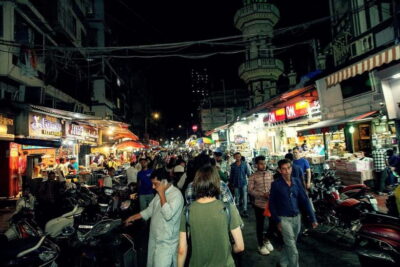 ★ 4.9Street Food and Night Markets TourFrom $13719 reviews
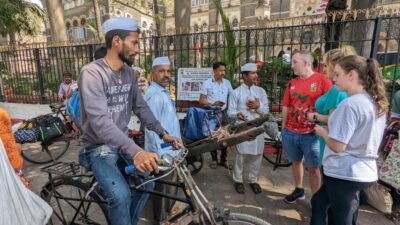 ★ 4.9Dharavi Slum, DhobiGhat, and Dabbawallas TourFrom $14689 reviews
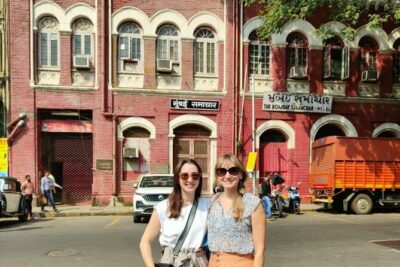 ★ 5.0Highlights of South Mumbai Guided Private Tour in AC VehicleFrom $74620 reviews
Browse the lists this tour appears in