
REVIEW · MUMBAI CITY TOURS
Private Tour in Mumbai Slum with Sightseeing
Mumbai tells its story in two modes. This private, air-conditioned day stitches together Dharavi neighborhood life and some of Mumbai’s biggest icons, from Dhobi Ghat to the Gateway of India.
I especially like the way the tour connects street-level reality to major landmarks, so you do not just collect photos, you get a feel for how Mumbai actually works. I also like the comfort factor: pickup plus an air-conditioned vehicle keeps the long day from feeling like a punishment.
One thing to consider: the schedule is packed and some city stops include market time, so if you want purely landmark-focused sightseeing, tell your guide your preference early.
In This Review
- Key highlights worth your attention
- A Private Day That Mixes Dharavi Life with Mumbai’s Icons
- Dharavi Slum: How a 3-Hour Neighborhood Visit Works
- Quick tips so your visit stays respectful and useful
- Dhobi Ghat: The Outdoor Laundry Machine You Can Actually See
- What can feel tricky
- Antilia, Banganga, and a Jain Temple: Big Names, Small Moments
- Antilia for photos, not for entry
- Banganga for legend and calm
- Jain Temple for philosophy in a short window
- Mani Bhavan, Crawford Market, and Why Markets Matter Here
- Mani Bhavan Gandhi Museum
- Crawford Market
- Chhatrapati Shivaji Terminus to Gateway of India: The Mumbai Timeline
- Chhatrapati Shivaji Terminus (CST)
- Gateway of India
- Kamala Nehru Park: A Short Stop with Surprisingly Big Views
- Guide Energy Makes or Breaks the Day
- What you should do
- Price and Value for an 8-Hour Private Mumbai Tour
- What is not included
- Who This Tour Suits Best (and a Few Real-World Fit Notes)
- Should You Book This Dharavi and Mumbai Landmarks Private Tour?
- FAQ
- Is this a private tour or a group tour?
- How long is the tour?
- Is pickup included?
- What’s included in the price?
- Are any admission tickets included?
- Is tipping included?
- What kind of physical activity should I expect?
- What should I do if the weather is bad?
- Can I cancel for a refund?
- How will I get my ticket?
Key highlights worth your attention
- Dharavi for real, not as a one-photo stop, with time in multiple neighborhoods and discussions about everyday life
- Dhobi Ghat’s outdoor laundry system, with color-coded wash pens and generations of family work
- Profit reinvestment in Dharavi Travel, adding purpose beyond sightseeing
- A focused mix of sacred and civic stops, including Banganga, a Jain temple, Mani Bhavan, and big colonial-era sites
- Good English with local guides, with several guides named Abhi, Sajid, Bala, and Suraj in past experiences
Mumbai, a few more routes through it
A Private Day That Mixes Dharavi Life with Mumbai’s Icons

This is the kind of tour that helps you understand Mumbai beyond the usual viewpoints. You start with Dharavi, where you can see how small-scale industries and daily routines shape community life. Then you switch gears to landmarks that most people rush past, but this time you have context for what you are looking at.
Because it is private, your guide can shift the day in small ways, within the overall flow. That matters in Mumbai, where timing is everything and the “photo stop” can accidentally become a “waiting stop” if the plan is rigid.
You’ll also notice the pacing: Dharavi gets the longest time block, then Dhobi Ghat, then landmark segments at about 30 minutes each. It is busy, but it keeps momentum.
Dharavi Slum: How a 3-Hour Neighborhood Visit Works
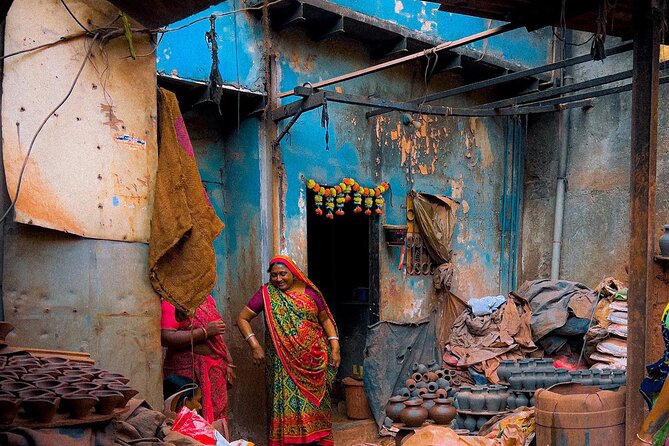
Dharavi is the largest slum in India, and this tour treats it like a place with neighborhoods, not a single exhibit. You spend about 3 hours moving through different areas with guided conversation about social issues and day-to-day life.
What I like here is the structure. Instead of a quick walk-through, you get enough time to pick up themes: how people earn a living, how industries are organized at small scale, and how community life supports people who have limited choices.
You may also see examples of work and learning that come up in guide explanations. In one past experience, Abhi’s approach included discussion of the industrial side, including leather making, plus references to a school and residential zones within the route. That is exactly the kind of storytelling you want from Dharavi, because it moves beyond stereotypes.
Quick tips so your visit stays respectful and useful
- Keep your questions human and specific, like how work is organized or how schools and routines fit together.
- Expect parts of the walk to be lively and crowded, so wear comfortable shoes.
- If you have a theme you want more of, say it at the start. Guides named Sajid and Bala have been praised for tailoring the day to interest.
Other Dharavi walks, guides named
- Mumbai: Dharavi Slum, DhobiGhat, and Dabbawallas Tour★ 4.9 · 689 reviews
- Dharavi Slum Tour★ 5.0 · 625 reviews
- Dharavi Slum tour in Mumbai by local resident★ 5.0 · 572 reviews
- Mumbai: Dharavi Slum Slumdog Millionaire Tour with a Local★ 4.9 · 529 reviews
- Mumbai Slum Tour – Visit Dharavi Slum with Local Guide★ 5.0 · 509 reviews
Dhobi Ghat: The Outdoor Laundry Machine You Can Actually See
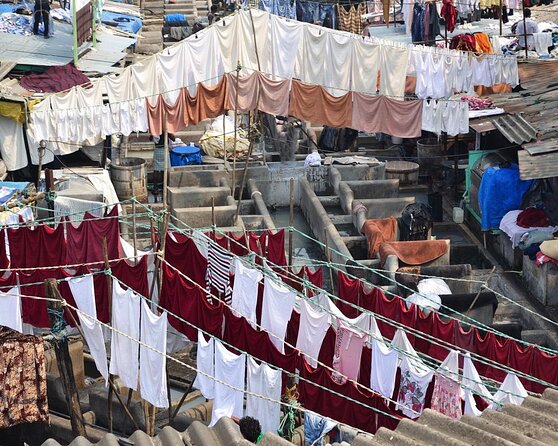
After Dharavi, you head to Dhobi Ghat, one of the world’s largest outdoor laundry areas. Plan on about 1 hour, and yes, it is exactly the sort of place that looks like a living system.
Here is the detail that makes it click: wash pens are color-coded, and the work is described as family-based, passed down through generations. You are not just watching laundry happen. You are seeing an entire workflow that depends on timing, labor, and knowledge.
A lot of people visit Dhobi Ghat as a spectacle. This tour nudges you toward understanding it as a community skill set and an ongoing economic engine.
What can feel tricky
Dhobi Ghat is an active workplace. That means you should be mindful with photos, stay out of the way, and accept that you might not be able to stand exactly where you want for every shot.
Antilia, Banganga, and a Jain Temple: Big Names, Small Moments
The middle of the day is where the itinerary starts acting like a guided switchboard. You go from neighborhoods and work to architecture, religion, and city heritage.
Antilia for photos, not for entry
Antilia is the famous super-expensive private residence. You get around 30 minutes here, with no admission ticket included. Think of it as a roadside or viewpoint stop for perspective and skyline contrast, not an interior visit.
Banganga for legend and calm
Banganga is one of those places where a short stop can still carry meaning. The legend says Lord Rama shot an arrow into the ground to create the tank. The name comes from an arrow and a river concept, which is the kind of word origin your guide can explain in a minute and then you move on.
Expect this to be more reflective than flashy, and it gives you a breather between busier city zones.
Jain Temple for philosophy in a short window
A Jain temple stop takes about 30 minutes and helps you understand Jainism’s cultural influence, including non-violence and spiritual liberation ideas. Jainism is a minority religion in India, but its values show up in how people practice daily life and treat others.
This stop is brief, but it is a useful counterweight to the more industrial stops earlier.
Mani Bhavan, Crawford Market, and Why Markets Matter Here
Then you shift into the civic and cultural side of Mumbai.
Mani Bhavan Gandhi Museum
Mani Bhavan is tied directly to Mahatma Gandhi’s legacy and his work for independence through non-violence and civil disobedience. You get about 30 minutes.
What I like about slotting Mani Bhavan into this tour is contrast. You start the day in a place shaped by survival and local work, then you visit a site shaped by ideas and political change. Different worlds, same theme: people trying to bend the future.
Crawford Market
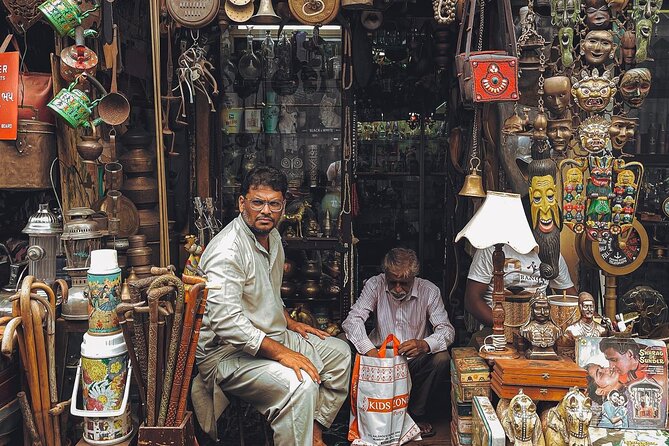
Crawford Market is about shopping, yes, but it is also a historical landmark reflecting the city’s commercial mix. You will have about 30 minutes here.
Do not treat this as a mall break. It is more like a chance to read the city through what it sells and how people move through the space. If you love markets, you will enjoy this stop.
One word of caution based on real-world experience: some private tours can include shop time. In one past experience, a traveler suggested that a significant portion felt like visiting shops. Another guide experience was praised for avoiding commission-based store stops. The practical takeaway is simple: tell your guide what you want and do not want. If you prefer landmark time, say it early.
Chhatrapati Shivaji Terminus to Gateway of India: The Mumbai Timeline
Now you come to some of the biggest, most recognizable sights of the day.
Chhatrapati Shivaji Terminus (CST)
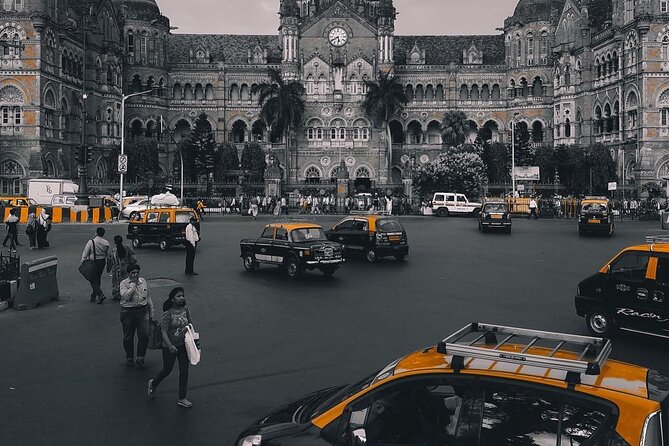
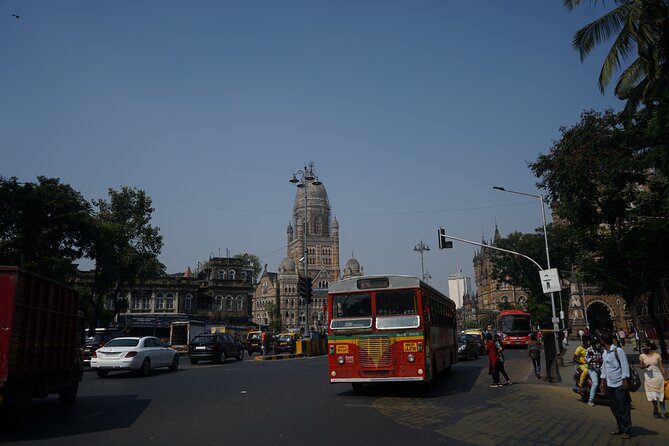
Chhatrapati Shivaji Terminus is not just a train station. It is an architectural landmark and a key piece of Mumbai’s colonial-era history. You will have about 30 minutes.
This stop works because it is not separated from the rest of your day. After seeing how people survive and work in Dharavi, you can look at a grand transport hub with a different lens. It is easier to spot how cities grow around money, infrastructure, and opportunity.
Gateway of India
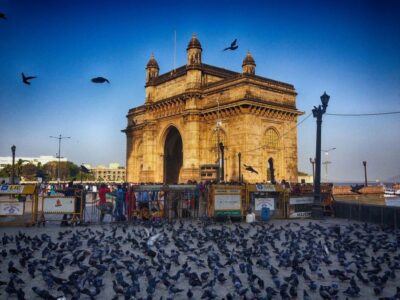
The Gateway of India is a symbol of Mumbai’s history and independence, and it is a classic place to pause for photos and orientation. Expect about 30 minutes.
This is also where you can feel the day shifting from “learning” into “seeing.” If you want the best photos, look for a moment when crowds move and the light looks good. Your guide can help with timing on the fly.
Kamala Nehru Park: A Short Stop with Surprisingly Big Views
The day closes with Kamala Nehru Park, about 30 minutes. It is famous for its shoe-shaped layout, inspired by footwear of Mother Earth. The top area gives you panoramic views, including Marine Drive.
This is a nice way to end because it is elevated and open, so your brain gets a reset after a day of street-level walking. Even if you only spend a short time here, the view helps you connect earlier stops to the city’s geography.
Admission is not included here, so you should just plan on a quick park visit rather than a museum-style experience.
Guide Energy Makes or Breaks the Day
This tour’s quality depends heavily on the guide. The good news is the tour has a strong track record with guides who speak clear English and share personal context.
In past experiences, guides like Abhi, Sajid, Bala, Suraj, and Jeeta stood out for different reasons:
- Abhi was praised for deep, organized explanations at Dharavi, including references to industries like leather making.
- Sajid was praised for being a local guide and for an engaging, respectful approach that changed perspective.
- Bala was praised for clear English and an attentive style that makes the day feel safe and well guided.
- Suraj and Jeeta were praised for adapting the route to what people wanted and for explaining history at each stop.
There is also a practical part: the driver matters in Mumbai traffic. Several experiences singled out drivers like Prabhakar and Deepak for smooth timing, which is huge when you only have 8 hours.
What you should do
At the start of the tour, ask your guide:
- Do you expect market time to expand today, and can we keep it minimal if I prefer landmarks?
- What is the best stop order for the light and the crowds?
If your guide answers clearly, you are in good hands.
Price and Value for an 8-Hour Private Mumbai Tour
At $61.37 per person for about 8 hours, this tour is not trying to be a luxury chauffeur experience. You are paying for three things that matter:
- A private, air-conditioned vehicle with pickup
- Guided time at Dharavi and Dhobi Ghat with admission tickets included for both
- A full day route that covers major landmarks without you having to piece it together yourself
Tickets are included where they matter most: Dharavi and Dhobi Ghat. Many of the other stops are free, so you are mostly paying for guided time and transport.
Also worth noting: a large portion of profits is reinvested in Dharavi via Dharavi Travel. That is not a “pay to feel good” gimmick, it is a reason to choose a tour that is actively connected to the places you visit rather than just passing through.
What is not included
Tips are not included. Water bottle and the air-conditioned vehicle are included, which helps during the long day in Mumbai heat and humidity.
Who This Tour Suits Best (and a Few Real-World Fit Notes)
This tour is a strong fit if you want:
- A private day with pickup and less stress moving across Mumbai
- A balanced route that includes Dharavi and major landmarks
- Guided conversation, not just sightseeing
It is also a good fit if you like learning through stories. Guides have been praised for explaining the social side of Dharavi and the cultural ideas behind shorter stops like Banganga and the Jain temple.
You should consider the physical side if you do not like walking through crowded areas. The tour calls for moderate physical fitness, and Dharavi and Dhobi Ghat involve moving through busy spaces.
If you hate any form of shopping pressure, be clear about it up front. Based on past experiences, some guides may include more shop time than others, so you need that early conversation.
Should You Book This Dharavi and Mumbai Landmarks Private Tour?
I’d book it if you want one day that actually connects the city’s human reality with its architectural and cultural big hitters. The best part is the mix: Dharavi gets real time, Dhobi Ghat shows an everyday machine of labor, then you get the Gateway, CST, and other landmarks that define the Mumbai skyline.
I would think twice if you only want quiet, classic landmark sightseeing and nothing else. This is not a sit-in-the-car-and-snap-photos day. It is a guided day with workspaces and active public areas.
If you book, do two things: wear comfortable shoes, and tell your guide what you want most, landmarks only or balanced history and local life. That one conversation can shape the whole day.
FAQ
Is this a private tour or a group tour?
It is a private tour, so only your group participates.
How long is the tour?
The tour runs about 8 hours.
Is pickup included?
Yes, pickup is offered.
What’s included in the price?
An air-conditioned vehicle and a water bottle are included.
Are any admission tickets included?
Yes. Admission tickets are included for Dharavi and Dhobi Ghat. Other stops listed are free, and Antilia and Kamala Nehru Park do not include admission.
Is tipping included?
No, tips are not included.
What kind of physical activity should I expect?
The tour is listed for moderate physical fitness level.
What should I do if the weather is bad?
The experience requires good weather. If it is canceled due to poor weather, you will be offered a different date or a full refund.
Can I cancel for a refund?
Yes. You can cancel for a full refund up to 24 hours in advance.
How will I get my ticket?
You get a mobile ticket.
More Dharavi Walks with Local Guides





Mumbai, Keep Exploring





Recently reviewed across Mumbai
- Mumbai City Sightseeing Guided Tour on a Bicycle
★ 5.0 · 10 reviews - Mumbai Street Food & Beach Tour with 10+ Tastings
★ 5.0 · 10 reviews - Mumbai Market Tour & Maharashtrian Cooking Class with Chef Reshma
★ 4.5 · 10 reviews - Sailing Experience in Mumbai on Mid Size Yacht
★ 5.0 · 10 reviews - 3 Days Complete Mumbai Tour Inclusive of Bollywood Studio Experience
★ 5.0 · 10 reviews - Dharavi Slum Tour
★ 5.0 · 10 reviews
Mumbai City Tours, compared.
 ★ 4.9Full-Day Sightseeing Tour of MumbaiFrom $241,822 reviews
 ★ 5.0Group Guided Walking Tour in Fort and ColabaFrom $161,073 reviews
 ★ 4.8Elephanta Caves Half-Day Guided Tour with ExpertFrom $301,032 reviews
 ★ 5.0Highlights of Mumbai Sightseeing Tour: TRAVELLERS CHOICE AWARDEDFrom $33915 reviews
 ★ 5.0Private Guided Walking Tour in Fort & ColabaFrom $36895 reviews
 ★ 4.9Street Food and Night Markets TourFrom $13719 reviews
 ★ 4.9Dharavi Slum, DhobiGhat, and Dabbawallas TourFrom $14689 reviews
 ★ 5.0Highlights of South Mumbai Guided Private Tour in AC VehicleFrom $74620 reviews
Browse the lists this tour appears in