
REVIEW · WALKING TOURS
Single Walking Tour. Local culture, religion, traditions and more. Daily Tour
Old Varanasi is easiest with a guide. You get a walk that mixes temples, tradition, and river life without turning into a standard photo stop parade. I like that it starts with a real local breakfast, then leads you through the tight downtown lanes to places many visitors only hear about. You’ll see Maharaja Palace and the Ganges from its balconies, then keep going toward an ashram and the Manikarnika ghat area with guidance and context. One thing to consider: this is a walking tour in a dense, religious city, so you need basic stamina and comfort with crowds, narrow streets, and strong smells.
The schedule is designed for people who want to experience Varanasi after sunrise, not an ultra-early mission. You’ll be walking for about 3 to 4 hours, and the size stays intimate, up to 15 people, with a guide who helps you read what you’re seeing. If you’re expecting a slow, modern-city stroll, this won’t match that. The value comes from understanding the culture as you go, not just ticking off sights.
In This Review
- Key Highlights You Should Know Before You Go
- Why This Varanasi Walk Feels Like Real Life, Not a Photo Route
- Starting at Dashashwamegh Ghat With a Benares Breakfast
- Maharaja Palace Viewpoints and the Ganges From Above
- Ashrams and Sacred Temples, Where the City Slows Down
- Manikarnika Zone and the Burning Ghat Area, With Respect
- Pace, Group Size, and Why 3 to 4 Hours Works
- Price and Value: What $23.59 Buys You in Old Varanasi
- Best Fit: Who This Walking Tour Is For
- Weather, Timing, and How to Prepare
- Should You Book This Varanasi Walking Tour?
- FAQ
- How long is the Varanasi walking tour?
- What is the price per person?
- Is pickup offered for this tour?
- Where does the tour start and end?
- Do I get a mobile ticket?
- What stops are included in the itinerary?
- How big is the group?
- Is cancellation allowed?
- Does it require good weather?
Key Highlights You Should Know Before You Go
- Benares breakfast start to help you get oriented before the walking begins
- Maharaja Palace and balcony views over the Ganges riverfront
- Ashram and sacred temple visits as part of the city’s everyday spiritual rhythm
- Manikarnika ghat area shown with guidance, so you can approach it respectfully
- Small group size, max 15 for easier pacing on narrow lanes
- Pickup offered and mobile ticket for a smoother start in a busy neighborhood
Shortlisting? Every Varanasi trip below went through the same review.

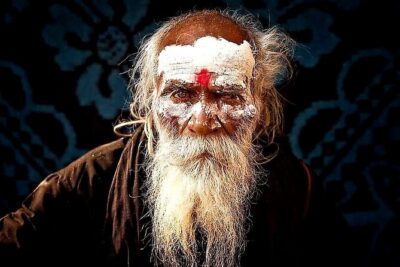
Why This Varanasi Walk Feels Like Real Life, Not a Photo Route
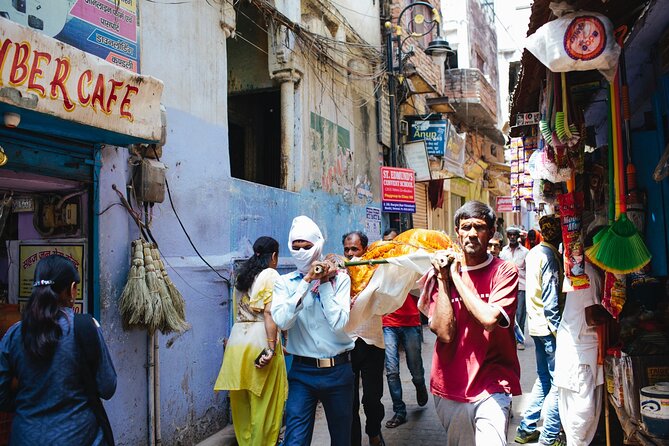
Varanasi can overwhelm you fast. The streets are narrow, the smells are strong, the rhythms are intense, and everyone seems to be headed somewhere important. This tour is built for that reality. Instead of trying to cover everything, it focuses on key parts of old Varanasi and the spiritual logic that connects them.
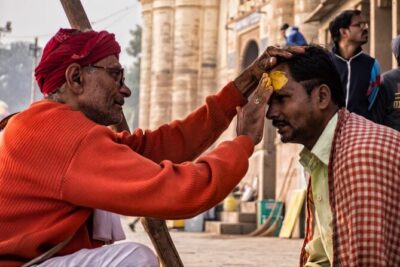
I especially like how the walking route includes religion and tradition as something you witness in motion, not something explained from far away. You’re guided through downtown alleys, then you hit major spiritual spaces like a palace viewpoint and an ashram setting. It’s a way to learn the city’s “why” alongside the “what.”
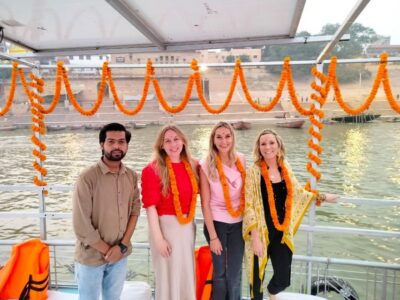
Another plus is the small-group feel. With a maximum of 15 people, you’re less likely to get stuck behind a huge chain of tourists. You can actually follow the guide’s explanations, ask questions, and move at a pace that makes sense on foot.
The only real drawback is also the nature of the place: this is not a quiet stroll. You’ll be walking through areas where people live, pray, shop, cook, and gather. If you want a calm, controlled environment, plan for that discomfort.
Starting at Dashashwamegh Ghat With a Benares Breakfast
Your tour starts at Kashi Chat Bhandar, on Godowlia Road in Harha, Varanasi. The tour ends back at the meeting point, so you’re not left navigating the city alone afterward.
The first stop is Dashashwamegh Ghat, and the tour begins with a local Benares breakfast. This matters more than it sounds. Breakfast does two helpful things early on: it gives you energy for walking, and it helps you enter Varanasi’s daily life in a grounded way. You’re not just arriving as an observer. You’re starting as someone sharing the morning rhythm.
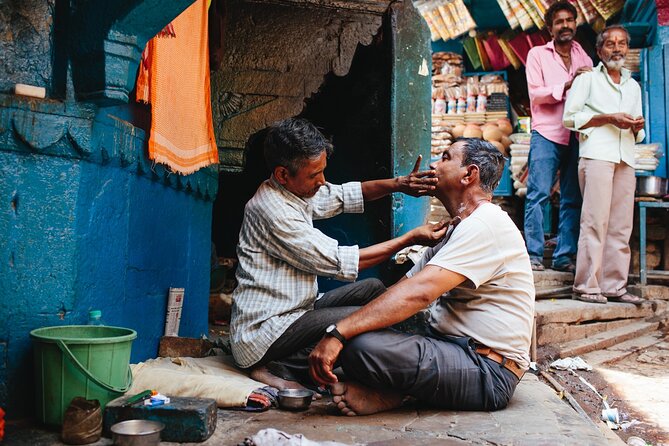
Then the guide begins scouting the smaller downtown alleys. This is where Varanasi starts to click. You see small signs of how the city works, how different spaces connect, and how religion shows up in ordinary corners of the street. You’ll also get a feel for the pace, including when to pause, where to step aside, and how not to block foot traffic.
If you’re sensitive to strong odors, Varanasi will test you at some point. Going early in the walk helps because you’re still learning what to expect, and the guide can point out what’s normal and what’s a sign to be more careful with spacing and movement.
Maharaja Palace Viewpoints and the Ganges From Above
After the breakfast and the initial lane-walking, the tour leads you to the Maharaja Palace. This is one of those moments where you get a change of perspective. In narrow lanes, you’re focused on what’s close. At a palace viewpoint, you start seeing the city’s layout and how the river life fits into everything.
You’re guided through the visit and, importantly, you get time to enjoy the spectacular view from the palace balconies to the Ganges River. Even if you’ve already seen the Ganges on a map, this kind of elevation helps you understand scale. The river becomes part of the city’s backbone, not just a background feature.
One theme that shows up in guides who are good here, including ones named in experiences like Rahul and Raúl, is explanation that sticks. They don’t just point at buildings. They help you understand why this kind of structure exists where it does, and how power and spirituality shaped old Benares.
Practical note: palace viewpoints often involve steps and uneven surfaces. Wear shoes you trust. Also, bring a small calm mindset. You’re going from street-level intensity to viewpoint viewing, and crowds can shift quickly.
- The Ultimate 1 Day in Varanasi – How to Spend 13 Hours – Private Guided Tour★ 5.0 · 295 reviews
- A Journey of A lifetime★ 5.0 · 272 reviews
- Varanasi: Hidden Secrets of Vibrant Tradition (Guided Tour)★ 4.9 · 176 reviews
- Private Heritage and Spiritual Walk Tour – Varanasi Kashi★ 5.0 · 172 reviews
- 3 Hour Walking Tour of Buddhism in Sarnath★ 5.0 · 160 reviews
Ashrams and Sacred Temples, Where the City Slows Down
Next, you head toward a traditional ashram and the most sacred temple areas. This part is a change in texture. The streets may still feel intense, but inside these spaces the pace often becomes more focused.
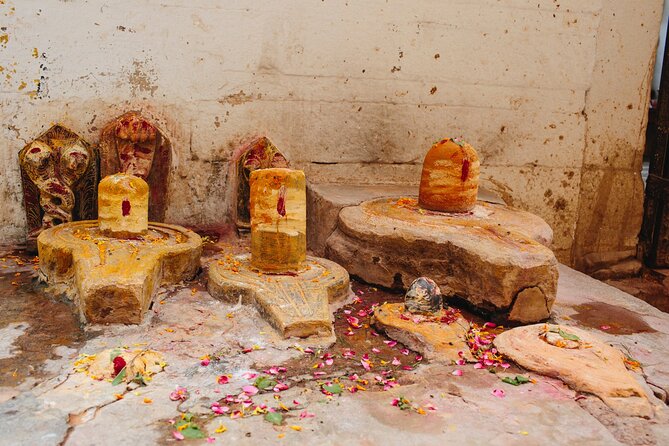
Ashrams in Varanasi are more than “sightseeing buildings.” They are tied to religious practice and long traditions, and the tour’s value is that you’re guided through what you’re seeing. You’re not just walking past statues and corridors. You’re being helped to connect symbols, rituals, and the physical layout of sacred areas.
This stop can be meaningful if you like cultural context. It’s also a good reset if the lanes have your senses running full speed. You get to slow your pace a bit while still learning why the places matter.
There’s a human element here too. One of the strongest reasons people love this tour is that the guide takes time. They explain rather than rush. That’s how temple visits become memorable instead of just “another building you toured.”
Manikarnika Zone and the Burning Ghat Area, With Respect
The tour then moves to the Manikarnika zone, where the burning ghat is located. This is likely the most intense part of the walk.
I’ll be blunt: you should not come expecting entertainment. This is a working sacred area tied to death rituals and spiritual beliefs. The right way to experience it is with respect and guidance. That’s exactly why a guided tour earns its place here. A good guide helps you understand what you’re seeing and how to behave, so you don’t accidentally treat the moment like a spectacle.
What I like about this stop in the context of the whole tour is that it doesn’t feel like a single shock-and-run photo moment. You’ve already walked through palace viewpoints and ashram spaces, so the burning ghat area lands in a broader spiritual framework. It becomes part of a city system, not just a dramatic scene.
If you’re easily distressed by rituals involving death, this part can be hard. Plan accordingly, and if you need a pause, you should be able to take one with your guide’s direction on where to stand and when to move.
Pace, Group Size, and Why 3 to 4 Hours Works
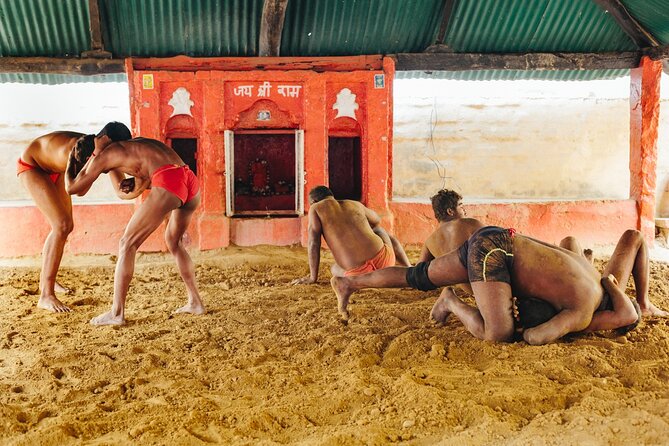
The tour duration is listed as about 3 to 4 hours. In practice, it can run longer if you include time for eating and the guide spends more time answering questions. One experience described a total of around 6 hours when lunch was included, which gives you a realistic expectation: the guide may not rush you.
Group size matters in Varanasi. With a maximum of 15 travelers, the tour stays manageable on foot. You’re not fighting for space at every turn. You’re also less likely to get separated, which helps when streets get chaotic.
Pickup is offered, and the start location is clearly defined. The meeting point is Kashi Chat Bhandar, 37/49, Godowlia Rd, Harha, Varanasi. The fact that it ends back at the meeting point is a comfort, especially if you’re not fully confident in navigating old Varanasi’s lanes after an emotionally and physically intense morning.
Dress and comfort also matter. You’ll be walking, and you’ll likely want to keep your hands free. Bring water, use sunscreen if you’re going when the sun is strong, and plan for uneven footpaths and crowds.
Price and Value: What $23.59 Buys You in Old Varanasi
The price is $23.59 per person. For Varanasi, where many visitors only scratch the surface, this is strong value if your goal is understanding. The tour includes guidance throughout, and it covers several meaningful stops: Dashashwamegh ghat for breakfast and lane walking, the Maharaja Palace viewpoint, an ashram and sacred temple areas, and the Manikarnika zone.
Admission is listed as free for this experience, which helps you avoid surprise add-ons. Also, there’s a practical benefit in the tour format itself: you don’t have to figure out route logic between spiritual sites and riverfront areas. A good guide gives you both the walking plan and the interpretive framework.
If you want the “big sights” version of Varanasi, you might find other tours that feel more like a highlights circuit. But if you want a more human understanding, this format is usually the better deal. You’re paying for translation of meaning, not just movement through space.
Best Fit: Who This Walking Tour Is For
This is a strong match if you:
- Want a holistic view of old Varanasi with religion, traditions, and everyday life mixed in
- Prefer guided walking over trying to navigate alone in tight lanes
- Like explanations tied to what you see, especially around temples and sacred spaces
- Feel more comfortable when someone local helps you understand how to behave at sensitive locations
It might be a weaker match if you:
- Can’t handle intense sensory experiences or crowded sacred spaces
- Want a purely scenic, low-context outing
- Are not comfortable walking for about 3 to 4 hours, even if the pace is managed
Weather, Timing, and How to Prepare
This experience requires good weather. That’s a key point for Varanasi, where rain can complicate walking, narrow streets, and ground conditions near river areas. If weather isn’t good, you should expect the operator may switch dates or offer a refund.
Timing-wise, the tour is described as a way to explore Varanasi after sunrise. That’s a sweet spot for many people. You still get morning energy and daylight for views, but you avoid the extreme early schedule that not everyone enjoys.
Preparation tips that help here:
- Wear shoes you can walk in for hours
- Dress respectfully for temple and ashram areas
- Bring a small bottle of water, since you’re starting right at breakfast time
- If you’re sensitive to strong smells, mentally prepare yourself and let your guide help you pace through transitions
Should You Book This Varanasi Walking Tour?
I think you should book it if your real goal is to understand Varanasi as a lived-in spiritual city. The combination of Benares breakfast, Maharaja Palace views, ashram and temple stops, and the guided approach to the Manikarnika burning ghat area is the kind of mix that gives you more than photos. It also fits well with visitors who want a tour that feels personal and not rushed.
Skip it if you want a low-effort, scenic-only walk, or if you’re not comfortable with religious rituals and the intensity that comes with them. Also, if walking for several hours on uneven, crowded streets is a challenge, you may want to look for a shorter or more mobility-friendly option.
If you do book, bring patience. Varanasi rewards people who slow down enough to understand what’s happening around them.
FAQ
How long is the Varanasi walking tour?
The tour runs about 3 to 4 hours.
What is the price per person?
The price is $23.59 per person.
Is pickup offered for this tour?
Yes, pickup is offered.
Where does the tour start and end?
It starts at Kashi Chat Bhandar, 37/49, Godowlia Rd, Harha, Varanasi, Uttar Pradesh 221001, India, and ends back at the meeting point.
Do I get a mobile ticket?
Yes, the tour includes a mobile ticket.
What stops are included in the itinerary?
The main stops include Dashashwamegh ghat, Maharaja Palace, a traditional ashram with sacred temples, and the Manikarnika zone near the burning ghat.
How big is the group?
This experience has a maximum of 15 travelers.
Is cancellation allowed?
You can cancel for a full refund if you cancel up to 24 hours in advance. If you cancel less than 24 hours before the start time, the amount paid is not refunded.
Does it require good weather?
Yes. The experience requires good weather. If it is canceled due to poor weather, you will be offered a different date or a full refund.
Recently reviewed across Varanasi
- Varanasi: Sunrise Boat Tour and Heritage Walk with transfers
★ 5.0 · 10 reviews - Varanasi Mysteries Walk: A Journey through Life and Death
★ 5.0 · 10 reviews - Omvity’s Full-Day Varanasi Tour: Sunrise Boat to Sunset Aarti
★ 5.0 · 10 reviews - Cycle of Life, Death & Rebirth (2 Hours Guided Walking Tour)
★ 4.5 · 10 reviews - Varanasi: Private Heritage Walking Tour & Sunrise Boat Ride
★ 4.9 · 11 reviews - Varanasi: Ganga Arti Evening Light Ceremony on the Main Ghat
★ 4.1 · 11 reviews
Walking Tours, compared.
 ★ 5.0Group Guided Walking Tour in Fort and ColabaFrom $161,073 reviews
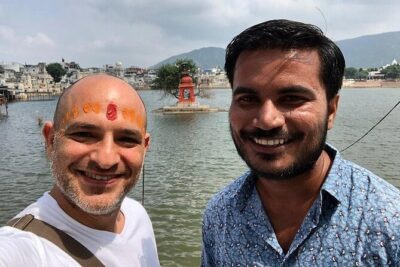 ★ 5.0Spiritual City Walking Tour-THE Pushkar RouteFrom $6907 reviews
 ★ 5.0Private Guided Walking Tour in Fort & ColabaFrom $36895 reviews
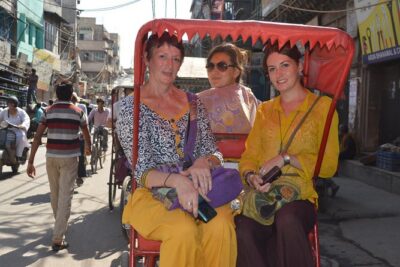 ★ 5.0Old Delhi Food, Heritage&Cultural Walk with Rickshaw ride to Masterji Kee HaveliFrom $52742 reviews
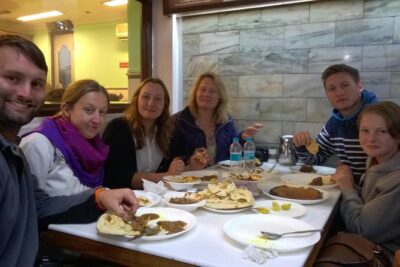 ★ 5.0Breakfast Walk in Old DelhiFrom $80449 reviews
 ★ 5.0Blue City Heritage Private Walking Tour With Pickup and Drop-OffFrom $11441 reviews
 ★ 5.0Delhi Food Walk: Rickshaw Ride, Street Eats & Market TourFrom $40401 reviews
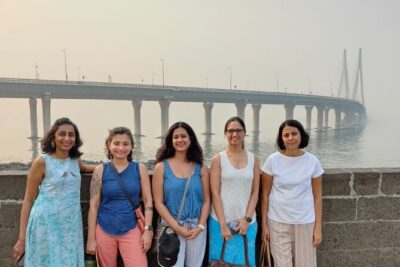 ★ 5.0Private Guided Walking Tour in Bandra Queen of SuburbsFrom $36383 reviews
Browse the lists this tour appears in